
Beautiful Plants For Your Interior
Beautiful Plants For Your Interior
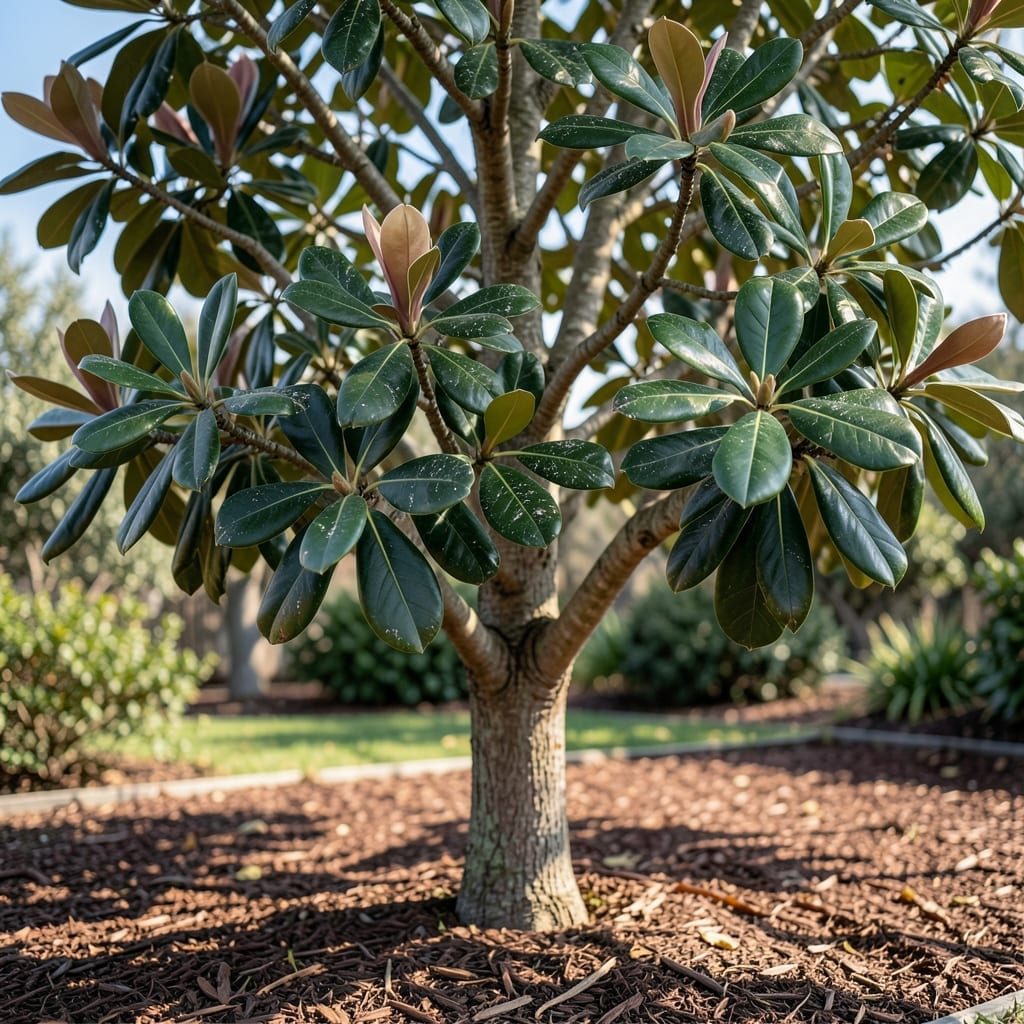
Those white spots on your magnolia leaves aren’t just unsightly—they’re a warning sign. I first noticed them on my own tree after a particularly wet spring, and ignoring them only made things worse.
Most often, it’s a fungal issue like powdery mildew or leaf spot. These thrive in damp conditions with poor air circulation. The good news? Catching it early means you can treat it before it spreads to the whole tree.
You’ll restore those glossy green leaves with a few simple adjustments: better spacing between plants, removing infected leaves, and a targeted fungicide if needed. Prevention is easier than cure.
Works for any magnolia variety, whether it’s a mature tree or a young shrub. Here’s how to tackle it head-on.
White spots on magnolia leaves are often a sign of underlying issues, usually tied to environmental stress or pathogens. Below are the most common causes, explained with actionable insights.
Powdery mildew (Erysiphe spp.) and leaf spot fungi (Mycosphaerella spp.) thrive in humid, poorly ventilated conditions. These pathogens create white or grayish patches as they colonize leaf surfaces, often starting on lower leaves where moisture lingers.
Overhead watering or prolonged rain can trap moisture on leaves, promoting fungal spores to germinate. Magnolias in shaded, damp areas are especially vulnerable. Ensure proper drainage and space plants to improve airflow.
Scale insects and mealybugs secrete honeydew, a sticky residue that fosters sooty mold growth—appearing as white or black spots. Inspect leaf undersides for pests and treat with horticultural oil or insecticidal soap.
Sudden temperature swings or excessive sun exposure can cause leaf scorching, which may manifest as white or bleached spots. Protect young trees with shade cloth and maintain consistent watering practices.
If your magnolia leaves are dotted with white spots, don’t panic—most causes are treatable with a little effort. Below are targeted solutions for the most common issues, along with prevention tips to keep your tree thriving. 🌿
Fix: Treat affected leaves with a fungicide like neem oil or copper-based sprays. Apply in the early morning or late evening to avoid leaf burn, and repeat every 7–10 days until the spots disappear. For severe cases, prune and destroy infected leaves to prevent spread.
Prevent: Improve air circulation by thinning branches, and avoid overhead watering. Water at the base of the tree to keep foliage dry. 💡
Fix: Wipe down leaves with a soapy water solution (1 tsp mild dish soap + 1 quart water) to remove pests. For stubborn infestations, use horticultural oil or insecticidal soap, following label instructions. Reapply as needed.
Prevent: Inspect leaves regularly, especially the undersides, and introduce beneficial insects like ladybugs to naturally control pests. ✨
Fix: Provide temporary shade with a shade cloth during peak sun hours (10 AM–4 PM). Ensure the tree is well-hydrated—deep water weekly during dry spells.
Prevent: Mulch around the base to retain moisture and regulate soil temperature. Choose a planting spot with dappled sunlight if your magnolia is sensitive to intense heat. 🌡️
Fix: Apply a balanced fertilizer or amend the soil with lime (for calcium) or Epsom salt (for magnesium). Test your soil first to confirm deficiencies.
Prevent: Feed your magnolia with a slow-release fertilizer in early spring and monitor leaf health for early signs of trouble. 🎯
If left untreated, they can weaken the tree over time. Fungal infections spread quickly, while pest damage reduces the tree’s ability to photosynthesize. Early action prevents long-term harm.
Yes, but start with organic options like neem oil first. If the issue persists, copper-based fungicides are effective but should be applied carefully, following label instructions.
Check leaves weekly during the growing season, especially after rain. Focus on the undersides and lower branches where moisture collects. Early detection is key.
Prune to improve airflow and reduce humidity around the leaves. Remove any infected or crowded branches to minimize fungal growth.