
Beautiful Plants For Your Interior
Beautiful Plants For Your Interior
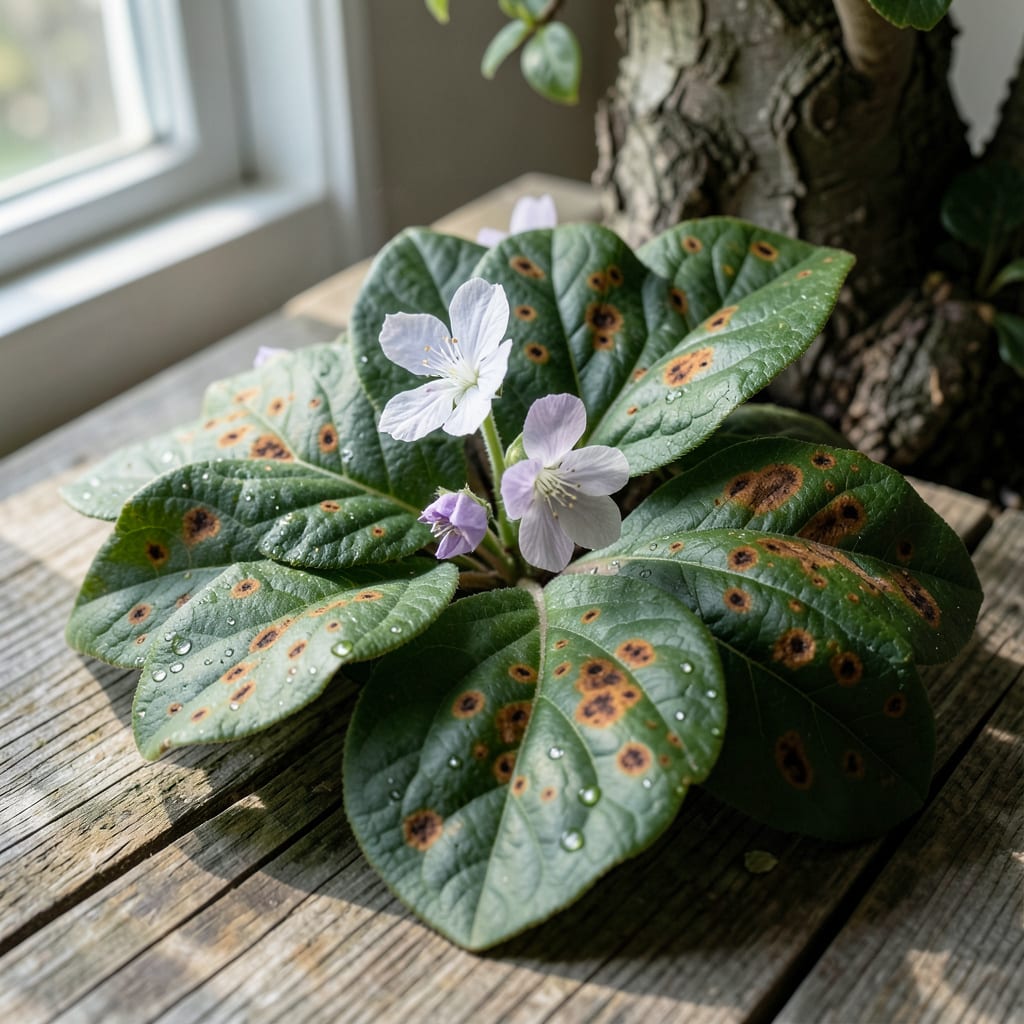
Those orange-brown speckles on your leaves aren’t just unsightly—they’re stealing your plant’s energy during its most critical phase. I’ve watched rust spots spread overnight, turning healthy blooms into stressed survivors in days.
Here’s the thing—what looks like drought damage or nutrient deficiency is usually a fungal party crashing your garden. High humidity, poor air circulation, or wet foliage creates the perfect breeding ground for these microscopic invaders.
Caught early, you can stop the spread with simple cultural fixes and targeted sprays. Left unchecked, it’ll weaken stems, reduce flower production, and potentially kill vulnerable plants before harvest.
Works for roses, perennials, and vegetable crops alike. Let’s shut this down before it spreads.
Rust spots on leaves during flowering are primarily caused by fungal pathogens, environmental stressors, or cultural practices that create ideal conditions for infection. Here’s a breakdown of the most common culprits:
The primary cause of rust spots is Puccinia or Uromyces fungi, which thrive in warm, humid environments. These pathogens spread via airborne spores, infecting leaves when moisture lingers on the surface. During flowering, plants are especially vulnerable as their energy is diverted to reproduction, reducing their ability to fend off infections.
Overwatering, poor drainage, or high humidity levels create a breeding ground for fungal spores. When leaves remain wet for extended periods—especially overnight—spores germinate and penetrate the leaf tissue, leading to the characteristic rust-colored lesions.
Sudden temperature swings, particularly warm days followed by cool, damp nights, stress plants and weaken their defenses. This stress makes them more susceptible to rust fungi, which can lie dormant until conditions become favorable.
Dense foliage or crowded planting restricts airflow, trapping moisture around leaves. Stagnant air not only prolongs leaf wetness but also prevents spores from dispersing, increasing the likelihood of infection.
Addressing these factors early can help prevent rust from spreading and damaging your flowering plants.
Tackling rust spots on leaves during flowering starts with removing infected foliage immediately. Use sterile pruners to cut affected leaves, and dispose of them in sealed bags—not compost—to prevent spores from spreading. 🌿
Fungus thrives in damp, stagnant conditions. Thin out dense foliage to boost circulation, and water at the base of plants (never overhead) to keep leaves dry. Space pots or plants farther apart if crowding is an issue.
Let the top inch of soil dry before watering again. Switch to a well-draining mix if your medium stays soggy. Consider a moisture meter to take the guesswork out of watering.
Run a dehumidifier in indoor grow spaces to keep humidity below 60%. Outdoors, water early in the day so foliage dries quickly. A small fan on low can also help evaporate excess moisture.
Over-fertilizing, especially with nitrogen, can soften tissues and invite rust. Use a balanced, flower-focused fertilizer and follow label rates. A foliar spray of Bacillus subtilis or neem oil (applied in the evening) can act as a preventative and mild treatment.
Prevention Tips: 💡
Yes, but act fast! Remove affected leaves immediately and treat with neem oil or copper fungicide. Isolate the plant to protect others.
Plants focus energy on blooms, weakening their defenses. High humidity and wet leaves during this stage create perfect fungal conditions.
Use organic options like potassium bicarbonate or Bacillus subtilis. Avoid harsh chemicals that may harm pollinators.
Remove infected leaves with sterile tools and dispose in sealed bags. Never compost diseased foliage.
