
Beautiful Plants For Your Interior
Beautiful Plants For Your Interior
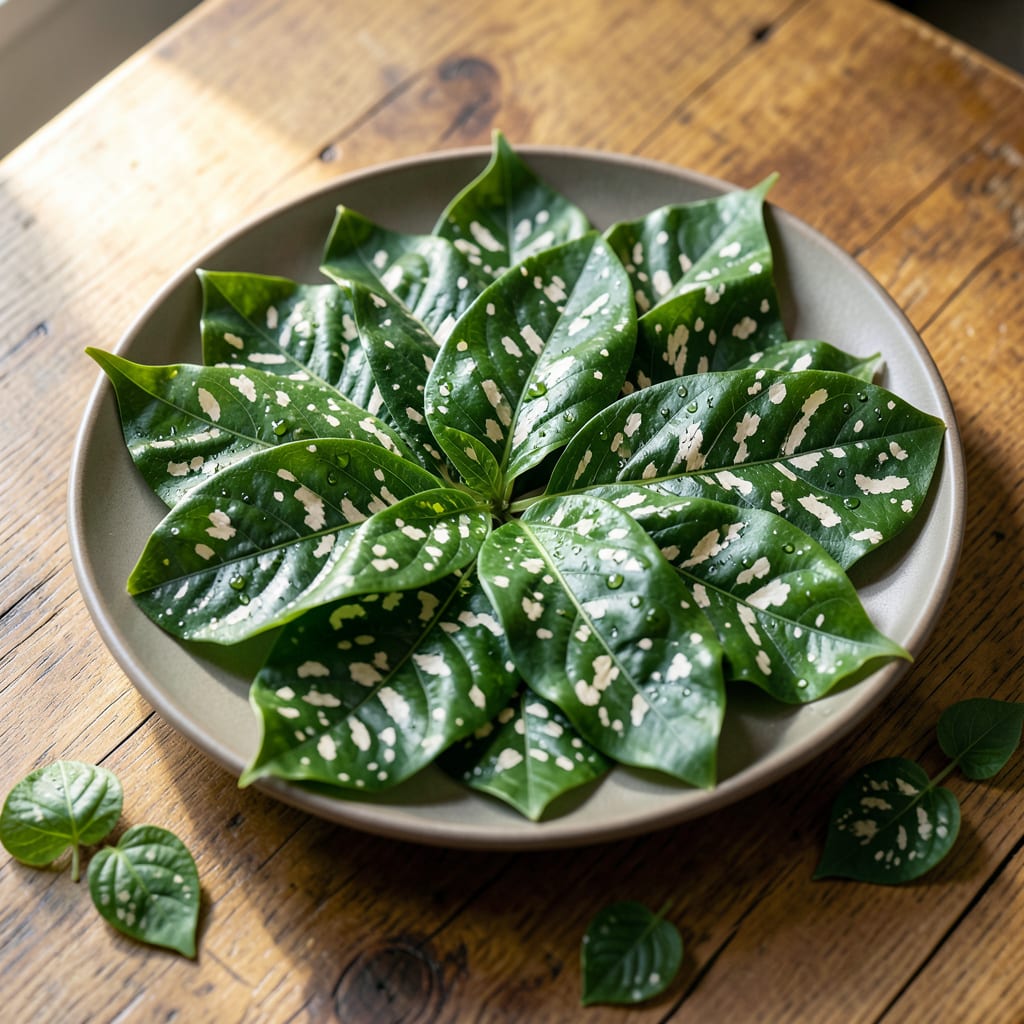
Spotted white patches on your plant’s leaves aren’t just ugly—they’re a warning sign. 🌿 I first noticed them on my monsteras last summer, and ignoring them nearly cost me the whole collection.
The culprit is usually fungal, but it could also be pests or even natural variegation. The difference? Fungal spots spread fast, turn yellow or brown, and often have a fuzzy texture. Natural patterns stay consistent and don’t harm the plant.
Catching it early means the difference between a quick fix and a full-blown outbreak. Most cases clear up with better airflow, less water, and a simple fungicide spray. I’ve saved dozens of plants with this approach.
Works for most tropicals, houseplants, and garden favorites. Here’s how to diagnose and treat it before it’s too late.
Large green leaves with white spots are often a sign of underlying issues, and understanding the root causes can help you address the problem effectively. Below are the most common reasons why this occurs, along with clear explanations.
One of the primary culprits is powdery mildew or downy mildew. These fungi thrive in humid, poorly ventilated environments. Powdery mildew appears as white, powdery spots on the upper leaf surface, while downy mildew forms yellow or white patches on the underside. Both spread rapidly in damp conditions, weakening the plant over time.
Excessive sunlight or sudden temperature spikes can cause bleaching on leaves, resulting in white or pale spots. This is common in plants moved from shade to direct sunlight without acclimation. The affected areas may feel dry or crispy to the touch.
Hard water or foliar sprays with high mineral content (e.g., calcium, magnesium) can leave white residue on leaves. This is especially true for indoor plants watered with tap water. While not harmful, it can be unsightly and may block sunlight absorption if severe.
Some pests, like mealybugs or spider mites, leave white, cottony deposits or stippling on leaves. Mealybugs cluster in leaf axils, while spider mites create fine webbing. Both sap plant nutrients, leading to weakened growth and further discoloration.
Dealing with white spots on your plant’s large green leaves often means tackling a fungal issue head-on. Below are practical solutions tailored to common causes, along with prevention tips to keep your plants healthy long-term.
If the white spots look powdery, increase air circulation around the plant. Trim overcrowded foliage and space out pots. Apply a baking soda spray (1 tsp baking soda + 1 quart water + a drop of dish soap) to affected leaves. Prevention tip: Avoid overhead watering to keep leaves dry.
Soggy soil can lead to fungal growth. Let the top inch of soil dry before watering again. Use well-draining pots and ensure excess water can escape. Prevention tip: Water early in the day so leaves dry quickly in sunlight.
White spots caused by pests like mealybugs? Wipe leaves with a neem oil solution (1 tbsp neem oil + 1 tsp dish soap + 1 quart water). Repeat weekly until pests are gone. Prevention tip: Inspect new plants before bringing them indoors.
Fungi thrive in damp conditions. Use a dehumidifier or move plants to a drier spot. Grouping plants too closely can trap humidity—space them out. Prevention tip: Clean fallen leaves promptly to avoid decay.
Pro tip 💡: Always sterilize pruning tools between cuts to avoid spreading spores. Healthy plants start with good hygiene!
Fungal spots spread quickly, turn yellow or brown, and may feel fuzzy. Natural variegation stays consistent and doesn’t harm the plant.
Mix 1 tsp baking soda + 1 quart water + a drop of dish soap. Spray on affected leaves and improve airflow around the plant.
Yes! Soggy soil encourages fungal growth. Let the top inch of soil dry between waterings and use well-draining pots.
Neem oil is effective against mealybugs, spider mites, and many soft-bodied pests. Apply weekly until the infestation clears.
