
Beautiful Plants For Your Interior
Beautiful Plants For Your Interior
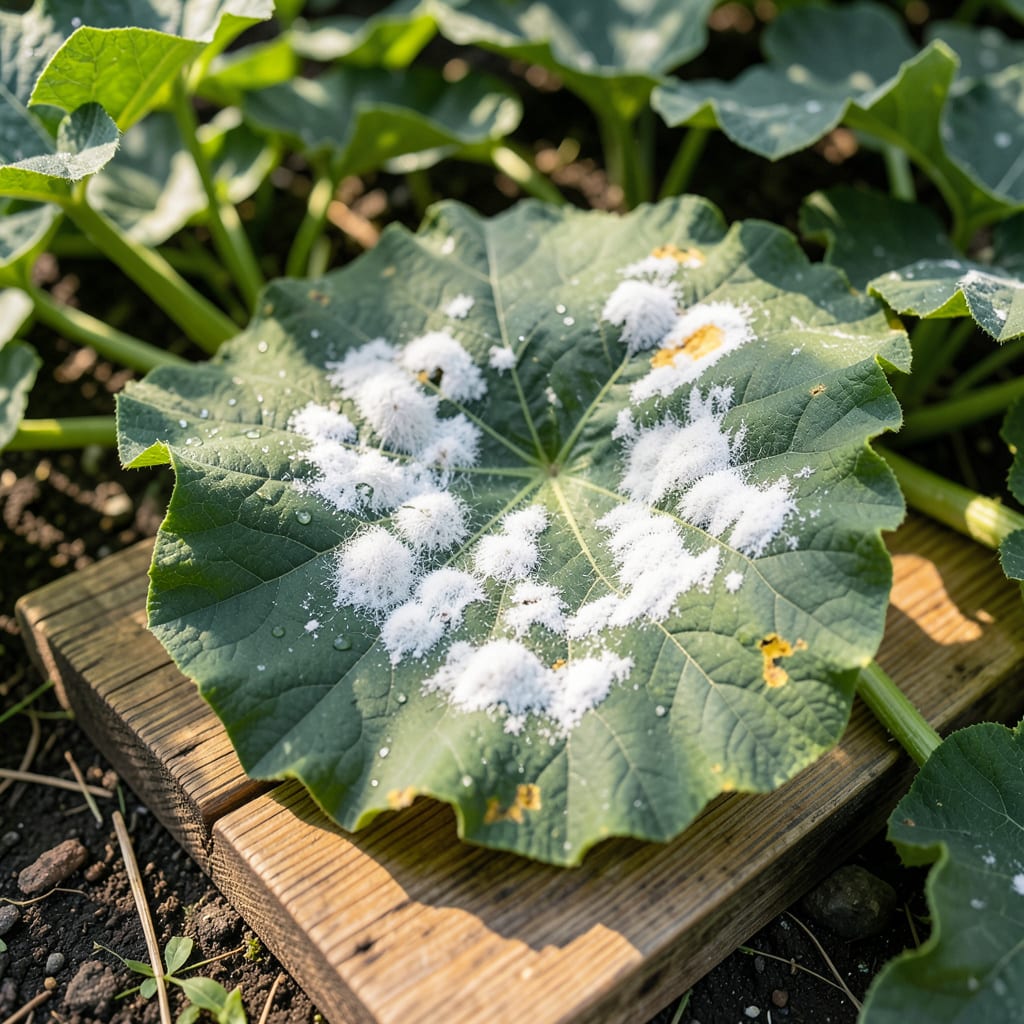
White fuzz on squash leaves means trouble brewing. I’ve lost entire crops to this silent spreader before learning the early warning signs and how to stop it cold.
This isn’t just unsightly—it chokes plants by blocking sunlight and stealing nutrients. Left unchecked, it’ll turn healthy vines into crispy brown relics within 10 days. The good news? Caught early, it’s manageable.
Simple fixes like improving airflow, removing infected leaves, and applying the right treatments can save your harvest. I’ve tested organic sprays that work just as well as chemical options.
Works for zucchini, pumpkins, and all squash varieties. Here’s how to reclaim your garden.
White mold on squash leaves is a common fungal issue, and understanding its causes helps you prevent and manage it effectively. Below are the primary reasons this problem arises in your garden:
White mold, caused by the fungus Sclerotinia sclerotiorum, thrives in damp, humid conditions. Prolonged leaf wetness from rain, overhead watering, or poor air circulation creates the perfect breeding ground. Squash plants with dense foliage trap moisture, accelerating spore germination and fungal growth.
This fungus favors cooler temperatures, typically between 50–75°F (10–24°C). Early spring or late fall plantings, or sudden temperature drops, can increase susceptibility. Combined with moisture, these conditions allow the pathogen to spread rapidly across leaves and stems.
Fungal spores overwinter in decaying plant material, soil, or compost. If infected debris remains in the garden or on tools, the pathogen can reinfect new squash plants. Properly removing and disposing of affected plant material is critical to breaking the disease cycle.
When squash plants are spaced too closely, airflow is restricted, and humidity builds up. This stagnant environment promotes fungal growth. Maintaining proper spacing (3–4 feet apart) and pruning excess foliage improves ventilation, reducing the risk of white mold.
White mold on squash leaves can be frustrating, but these targeted solutions will help you reclaim your garden’s health. Address the issue early for the best results.
Poor airflow encourages mold growth. Thin out dense foliage to allow better ventilation between plants. Space squash plants at least 2–3 feet apart, and prune excess leaves if needed. Use stakes or trellises for vining varieties to lift them off the ground, reducing humidity buildup.
Overhead watering wets the leaves, creating a perfect environment for mold. Water at the base of the plant early in the morning so leaves dry quickly. Drip irrigation or soaker hoses are ideal. Avoid watering in the evening, as lingering moisture overnight promotes fungal growth.
For active infections, use copper-based fungicides or neem oil, following label instructions. Apply in the early stages of mold development for best results. Organic options like baking soda spray (1 tsp baking soda, 1 quart water, and a drop of dish soap) can also help suppress mild cases.
Prune and dispose of severely infected leaves immediately to prevent the mold from spreading. Do not compost them, as this can reintroduce the fungus to your garden. Sterilize pruning tools with rubbing alcohol between cuts to avoid contamination.
Left untreated, white mold can overtake a squash plant in 7-10 days, especially in cool, humid conditions. It spreads via spores, so early removal of infected leaves is critical to contain it.
Yes, but only if the fruit itself shows no mold. Wash thoroughly and cook well. Discard any squash with visible fungal growth, as spores can penetrate the skin.
Neem oil or a baking soda spray (1 tsp per quart of water) work well for mild cases. Apply weekly at first signs. For severe infections, copper-based fungicides are most effective.
The fungus overwinters in soil and plant debris. Practice crop rotation and remove all infected material to prevent recurrence.
