
Beautiful Plants For Your Interior
Beautiful Plants For Your Interior
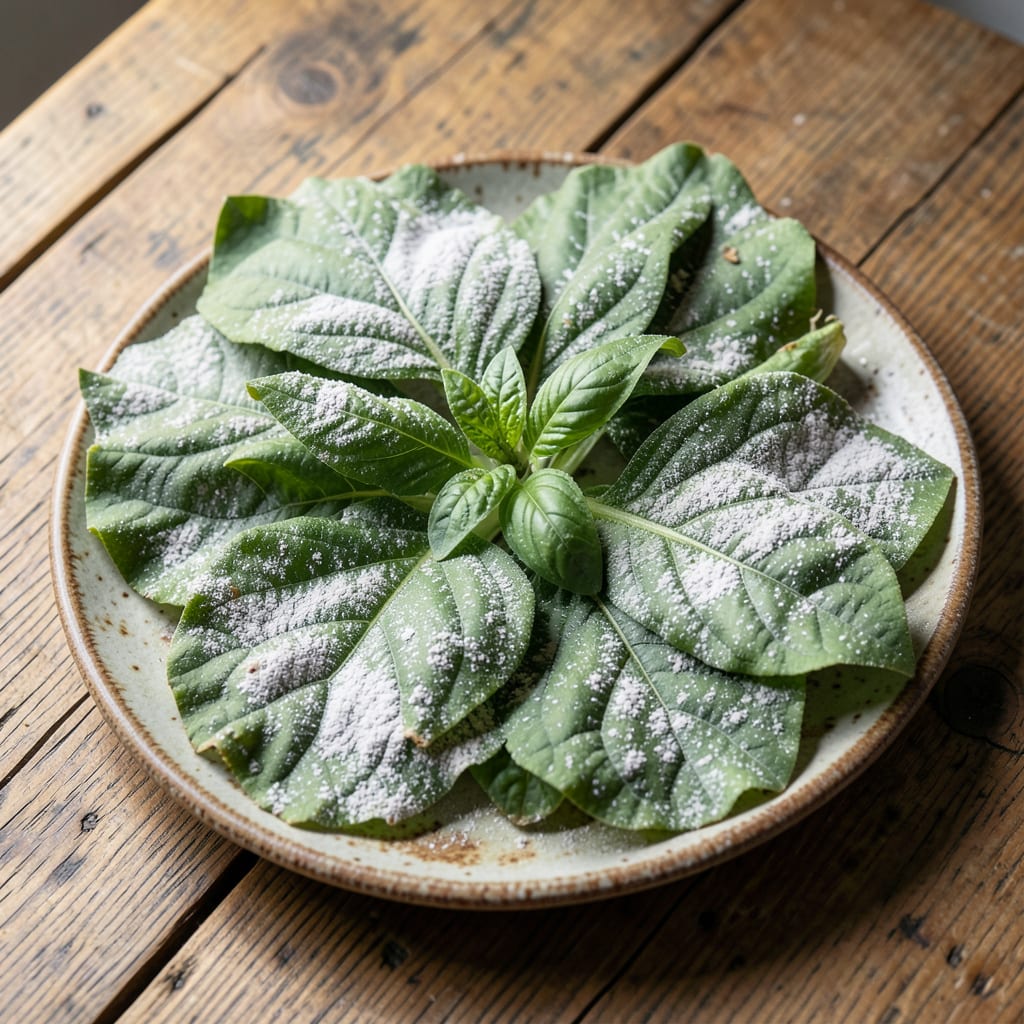
That white dust on your plant leaves isn’t flour—it’s trouble. Powdery mildew spreads fast in dry, warm conditions, and I’ve lost count of how many zucchini plants I’ve sacrificed to it over the years.
Here’s the thing—it starts as a few spots, then suddenly every leaf looks like it’s been dusted with baby powder. Left untreated, it stunts growth and kills foliage, but the good news is it’s 100% treatable with the right approach.
I’ve tested everything from baking soda sprays to commercial fungicides, and the best solutions are simpler than you think. The key is catching it early and acting fast before it takes over your garden.
Works on roses, squash, cucumbers, and dozens of other plants. Let’s save your leaves before they turn crispy.
Powdery mildew thrives under specific environmental and biological conditions. Here’s why it appears on your plants:
The fungus Erysiphales (responsible for powdery mildew) flourishes in 60-80% humidity but requires dry leaf surfaces to germinate. Unlike other fungi, it doesn’t need free water—just moisture in the air. Poor air circulation traps humidity around foliage, creating the perfect breeding ground.
Temperature swings between 60–80°F (15–27°C) during the day and cooler nights accelerate spore production. This temperature range is ideal for fungal growth, especially in shaded or crowded plant areas where airflow is restricted.
Dense plantings or excessive shade reduce airflow and sunlight, which inhibits leaf drying. Powdery mildew spores land on leaves and quickly colonize when conditions stay damp and still. Prune regularly to improve ventilation.
Some plants, like roses, cucumbers, squash, and zinnias, are genetically predisposed to powdery mildew. Their leaf chemistry or growth habits (e.g., dense canopies) make them easier targets. Check if your plant is a known host.
Excess nitrogen promotes lush, soft growth that’s more vulnerable to infection. Meanwhile, potassium or phosphorus deficiencies weaken plant defenses. A balanced fertilizer (e.g., 10-10-10) helps maintain resistance.
Tackling powdery mildew starts with quick action. Below are targeted solutions for common causes, paired with prevention tips to keep your plants healthy long-term.
Prune crowded branches to boost airflow around leaves. Space plants farther apart in gardens or use a small fan indoors for gentle air movement. Prevention tip: 💡 Avoid overcrowding—give each plant room to breathe!
Water plants at the base (not overhead) to keep leaves dry. Use a moisture meter to avoid soggy soil, and water in the morning so foliage dries quickly. Prevention tip: 🌡️ Aim for 40-60% humidity—dehumidifiers help in damp spaces.
Move potted plants to sunnier spots or thin out garden canopies to let light reach lower leaves. Prevention tip: ☀️ Rotate indoor plants weekly for even sun exposure.
Use a balanced fertilizer to avoid excess nitrogen (which fuels fungal growth). Opt for potassium-rich options to boost resistance. Prevention tip: 🎯 Test soil annually and amend as needed.
Spray infected leaves with a mix of 1 tbsp baking soda + 1 tsp dish soap + 1 gallon water. For stubborn cases, use neem oil or sulfur-based fungicides. Prevention tip: ✨ Remove fallen leaves to stop spores from spreading.
Consistency is key—combine fixes with prevention for the best results!
It’s a fungal disease that thrives in 60-80% humidity with dry leaves. Poor airflow and temperature swings between 60–80°F also encourage its growth.
Yes! A spray of 1 tbsp baking soda + 1 tsp dish soap + 1 gallon water works well. Neem oil is another effective natural remedy.
Improve airflow, water at the base, and keep humidity below 60%. Remove fallen leaves to stop spores from spreading.
Roses, cucumbers, squash, and zinnias are highly susceptible. Check your plants regularly for early signs.
