
Beautiful Plants For Your Interior
Beautiful Plants For Your Interior
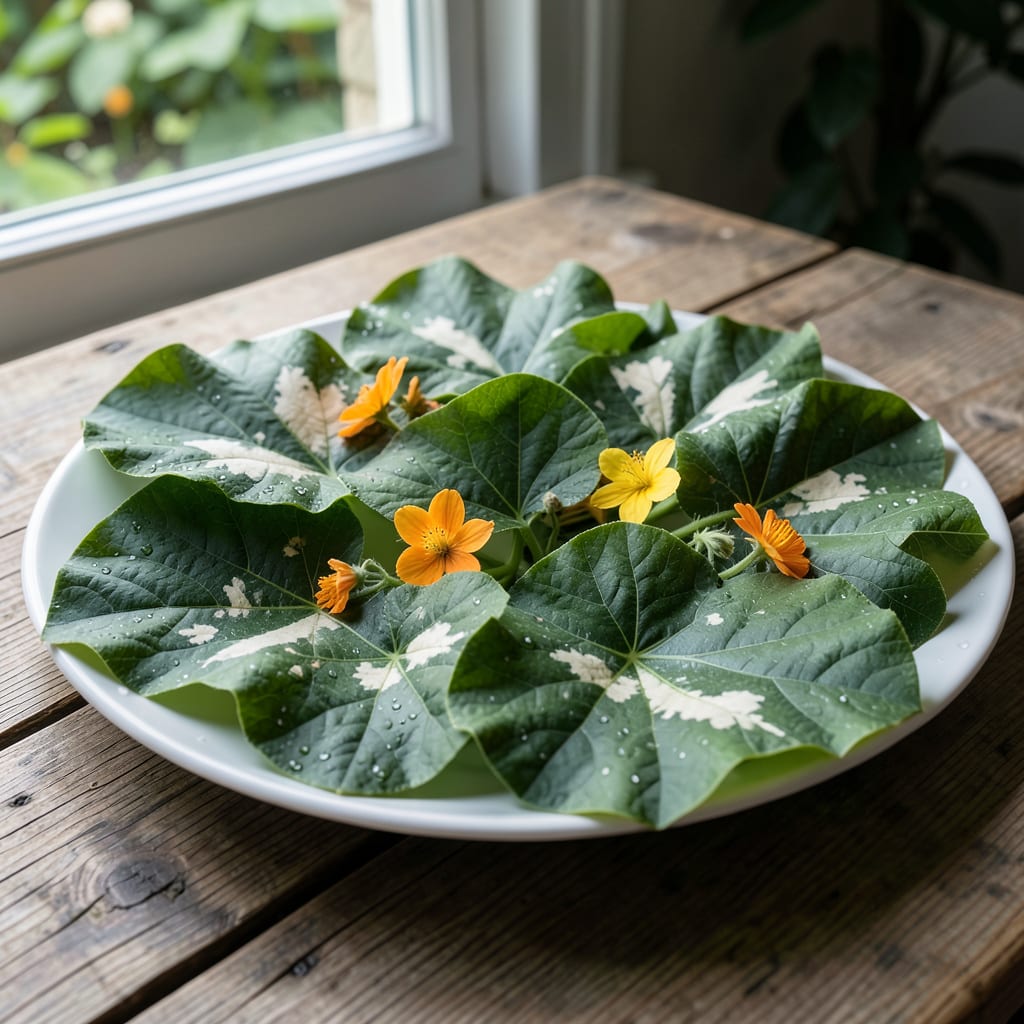
White spots on pumpkin leaves usually signal trouble. 🌱 I first noticed this on my patch three seasons ago—what started as faint dusting turned into full leaf coverage within a week.
Most cases point to powdery or downy mildew, but spider mites can create similar patterns. The key difference is texture: fungal spots feel dry, while pest damage often has a slightly sticky or webby residue.
Here’s the thing—catch it early and you can save your crop. A simple baking soda spray stopped my outbreak in 48 hours, and the vines recovered completely within 2 weeks.
Works for both home gardens and larger plots. This rescue method scales easily to any pumpkin patch size.
White patches on pumpkin leaves often signal underlying issues that disrupt the plant’s health. Below are the most common causes, explained with scientific clarity to help you diagnose and address the problem effectively.
Erysiphe cichoracearum or Podosphaera xanthii, the fungi behind powdery mildew, thrive in warm, dry climates with high humidity. These pathogens form white, powdery patches on the upper leaf surface by drawing nutrients from plant cells. Spores spread via wind, quickly infecting nearby foliage. Overcrowding and poor air circulation exacerbate this issue.
Caused by Pseudoperonospora cubensis, downy mildew appears as pale yellow or white patches on the upper leaf surface, with a grayish-purple fuzz underneath. Unlike powdery mildew, this pathogen prefers cool, wet conditions and can spread rapidly through water splashes or contaminated tools.
Pests like aphids, whiteflies, and spider mites pierce leaf tissues to feed on sap, leaving behind white or yellow stippled patches. Their honeydew secretions also promote sooty mold growth, which can further discolor leaves. Regularly inspect the undersides of leaves for these tiny invaders.
Intense sunlight or sudden temperature fluctuations can cause chlorosis (loss of chlorophyll), leading to white or bleached patches. This often occurs when plants are transplanted without acclimatization or exposed to reflective surfaces (e.g., plastic mulch) that amplify light intensity.
A lack of essential nutrients like magnesium (interveinal chlorosis) or iron (uniform yellowing) can manifest as white or pale patches. Poor soil pH (too alkaline or acidic) may lock out these nutrients, even if they’re present. Conduct a soil test to confirm deficiencies before amending.
White patches on your pumpkin leaves can often be tackled with targeted solutions. Below are practical fixes for the most common causes, along with prevention tips to keep your plants thriving.
Mix 1 tablespoon of baking soda and 1 teaspoon of dish soap in a gallon of water. Spray this solution on the affected leaves every 5–7 days until the patches disappear. For severe cases, use a fungicide labeled for powdery mildew.
Prevention tip 💡: Space plants properly for airflow and water at the base to keep leaves dry.
Remove and destroy infected leaves immediately to prevent spread. Apply a copper-based fungicide as directed on the label. Repeat after rain or as needed.
Prevention tip 💡: Avoid overhead watering and rotate crops yearly to reduce fungal spores in the soil.
For spider mites or aphids, spray leaves with neem oil or insecticidal soap, covering both sides. Repeat every 3–4 days until pests are gone.
Prevention tip 💡: Encourage beneficial insects like ladybugs by planting companion flowers nearby.
Move potted pumpkins to a shadier spot or use shade cloth (30–50%) during peak sun hours. For in-ground plants, mulch around the base to retain soil moisture.
Prevention tip 💡: Harden off seedlings gradually before transplanting to full sun.
Test your soil and amend with a balanced fertilizer (e.g., 10-10-10) or add compost for organic matter. For magnesium deficiency, use Epsom salt (1 tablespoon per gallon of water) as a foliar spray.
Prevention tip 💡: Feed pumpkins with a slow-release fertilizer at planting and mid-season.
Yes, powdery mildew spores travel easily by wind. Keep infected plants isolated and treat immediately with a baking soda solution or fungicide to prevent spreading.
Mildew appears as dry, powdery patches, while pest damage often has tiny webbing or sticky residue. Check leaf undersides for mites or aphids.
For mild cases, yes. Remove and destroy infected leaves, then apply a copper fungicide to prevent regrowth. For severe cases, treat the entire plant.
A milk-water spray (1:9 ratio) can help, but copper fungicide is more reliable for downy mildew. Always treat early for best results.
