
Beautiful Plants For Your Interior
Beautiful Plants For Your Interior
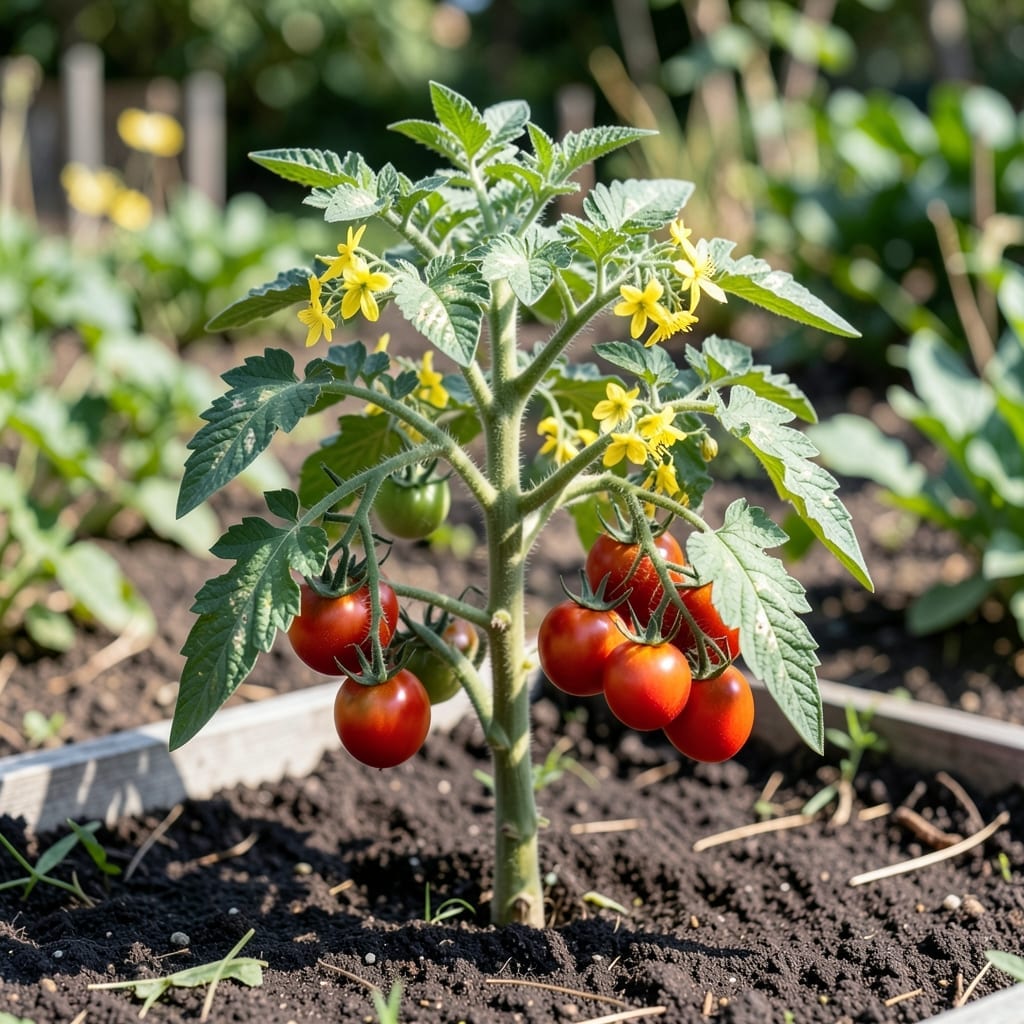
White leaves on tomato plants always catch me off guard. I learned the hard way that early action saves the harvest.
Most cases come from pests, diseases, or stress—but the solution is often simpler than you think. I check leaves daily now, especially after heavy rain or sudden temperature swings.
Organic fixes work best. Neem oil, proper spacing, and consistent watering usually turn things around. The plants bounce back faster than I expected.
Prevention is easier than cure. Healthy soil and good airflow stop most problems before they start. Trust me, your tomatoes will thank you.
White leaves on tomato plants often signal underlying issues that disrupt chlorophyll production or damage leaf structure. Here are the most frequent culprits:
Excessive sunlight or extreme heat can bleach tomato leaves, turning them white or pale yellow. This occurs when the plant’s protective pigments break down under intense UV exposure, a process called photoinhibition. Tomatoes thrive in full sun, but young seedlings or varieties with thin cuticles are especially vulnerable. Shade cloth or afternoon shade can mitigate this.
A lack of essential nutrients like magnesium or iron can lead to chlorosis, where leaves lose their green color. Magnesium deficiency often starts with yellowing between leaf veins, progressing to white if untreated. Iron deficiency, common in alkaline soils, causes interveinal chlorosis in new growth. A soil test helps pinpoint the issue—amend with Epsom salt (for magnesium) or chelated iron as needed.
Diseases like powdery mildew or downy mildew create white, powdery coatings on leaves, stunting photosynthesis. These fungi thrive in humid, poorly ventilated conditions. Prevent spread by improving airflow, avoiding overhead watering, and applying organic fungicides like neem oil or sulfur-based sprays at the first sign of infection.
Sap-sucking pests such as whiteflies, aphids, or spider mites can drain chlorophyll, leaving leaves stippled or entirely white. Check leaf undersides for tiny insects or webbing. Introduce beneficial insects like ladybugs or use insecticidal soap to control outbreaks organically.
If your tomato plants are sporting pale or white leaves, don’t panic—most causes are fixable with a few simple steps. Below are targeted solutions for each common issue, plus prevention tips to keep your plants thriving.
Yellowing or white leaves often signal a lack of nitrogen, magnesium, or iron. Fix it: Apply a balanced organic fertilizer (like 10-10-10) or a foliar spray of Epsom salt (1 tbsp per gallon of water) for magnesium. For iron, work compost or worm castings into the soil. Prevention tip: 💡 Test soil yearly and amend before planting.
Bleached or crispy white patches on upper leaves? Too much direct sun is likely the culprit. Fix it: Use shade cloth (30-40% density) during peak afternoon hours or move potted plants to a partially shaded spot. Prevention tip: 🌡️ Acclimate seedlings gradually to full sun over 7–10 days.
Whitefly, aphids, or spider mites can drain leaves of color. Fix it: Blast pests off with water or apply neem oil (mix 1 tsp oil + 1 tsp soap per quart of water) every 5–7 days. Introduce beneficial insects like ladybugs for long-term control. Prevention tip: 🎯 Rotate crops and remove plant debris to deter pests.
Soggy soil can cause chlorosis (loss of green pigment). Fix it: Let the top 1–2 inches of soil dry out between waterings. Improve drainage by mixing in perlite or sand. Prevention tip: ✨ Water deeply but less frequently (2–3 times weekly in hot climates).
Powdery mildew or downy mildew can create white, dusty patches. Fix it: Prune affected leaves and apply a baking soda spray (1 tsp baking soda + 1 quart water + a drop of soap). Space plants 18–24 inches apart for better airflow. Prevention tip: 🌬️ Water at the base (not leaves) and avoid evening irrigation.
New growth typically regains color within 7-14 days after correcting the problem. Damaged leaves won’t turn green again, but new ones will emerge healthy. Consistency in care speeds up recovery.
Yes, but yield may suffer. Leaves with mild discoloration can still photosynthesize, but severely white leaves won’t contribute much. Focus on restoring plant health to support fruit production.
Generally yes, as long as the issue isn’t from toxic pesticides or severe fungal infections. Wash tomatoes thoroughly before eating. When in doubt, discard heavily damaged fruit.
Neem oil mixed with 1 tsp soap per quart of water works well. Apply in the evening to avoid harming beneficial insects. Reapply every 5-7 days until pests are gone.