
Beautiful Plants For Your Interior
Beautiful Plants For Your Interior
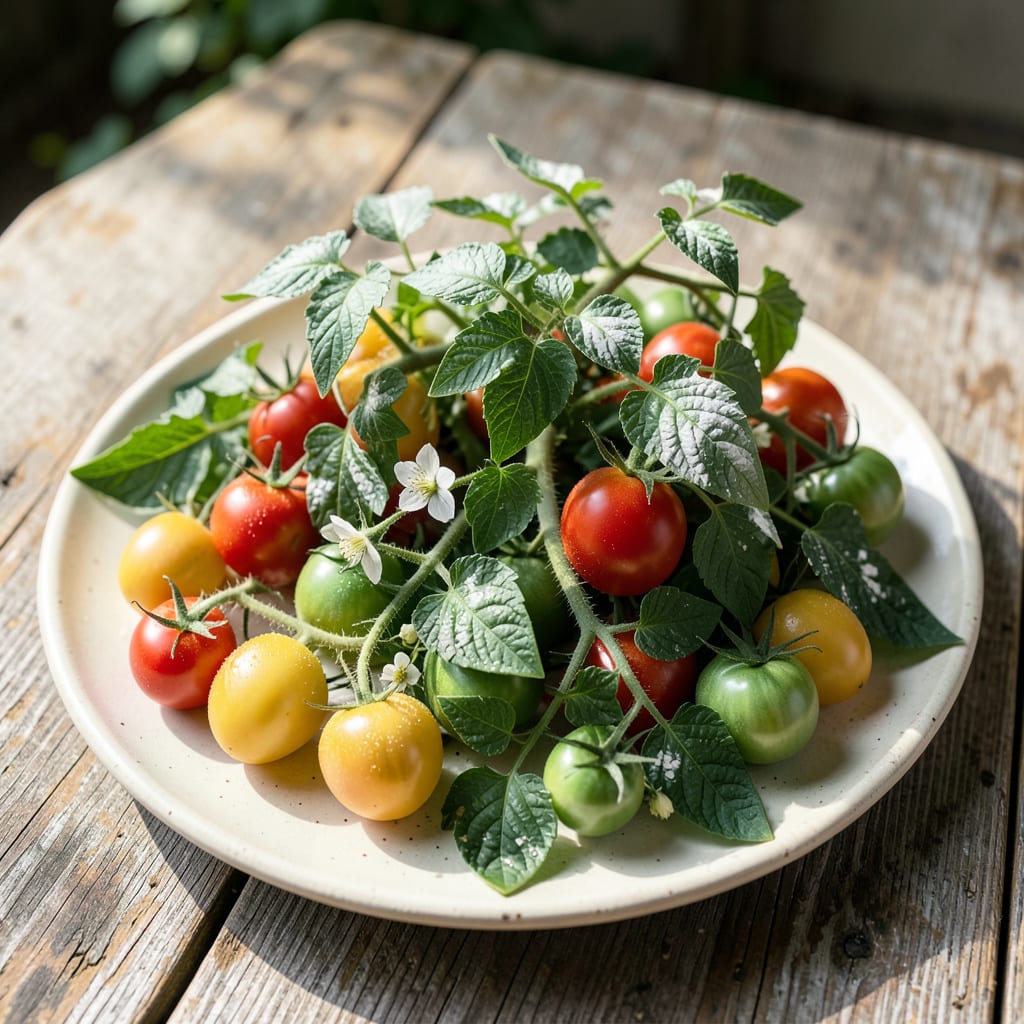
White tomato leaves aren’t just ugly—they’re your plants screaming for help. I’ve lost entire crops to this exact problem before learning to spot the early signs.
It could be powdery mildew, sunburn, or a nutrient deficiency knocking at your garden door. The good news? Most causes are 100% fixable with organic solutions you probably already have.
You’ll learn to diagnose the issue in 60 seconds flat, then treat it with simple household items. No fancy chemicals required.
Works for container plants, raised beds, or in-ground gardens. Let’s save those tomatoes.
Tomato leaves turning white can signal several underlying issues, often tied to environmental stress, pests, or diseases. Below are the most common causes, explained with actionable insights.
Intense, direct sunlight—especially in hot climates—can bleach tomato leaves, causing a white or pale yellow discoloration on exposed surfaces. This happens because the chlorophyll breaks down under UV stress. Young seedlings or transplanted tomatoes are most vulnerable. Shade cloth or strategic planting can prevent this.
This fungal disease (Oidium neolycopersici) creates a white, powdery coating on leaf surfaces, often starting on lower leaves. It thrives in high humidity (60-80%) and moderate temperatures (60-80°F). Poor air circulation and wet foliage accelerate its spread. Prune infected leaves and improve ventilation to curb it.
Sap-sucking pests like whiteflies, aphids, or spider mites can drain chlorophyll, leaving leaves stippled or entirely white. Whiteflies, in particular, excrete sticky honeydew that fosters sooty mold, adding to the whitening effect. Check leaf undersides for eggs or nymphs, and treat with neem oil or insecticidal soap.
A lack of magnesium or iron can cause interveinal chlorosis (white or yellow areas between veins). Magnesium deficiency often appears first on older leaves, while iron deficiency targets new growth. Test soil pH—magnesium uptake is hindered above pH 7.0, and iron becomes unavailable in alkaline soils. Amend with Epsom salt (magnesium sulfate) or chelated iron.
Exposure to glyphosate or 2,4-D (common in weed killers) can cause systemic whitening as the plant’s vascular system is disrupted. Even low doses from nearby spraying can trigger cupped, twisted, or bleached leaves. Avoid spraying herbicides on windy days, and use physical barriers if needed.
Here’s how to tackle each cause and restore your tomato plants to full health:
Move potted tomatoes to a shaded area during peak sunlight (10 AM–4 PM). For in-ground plants, erect a shade cloth (30–50% density) to filter harsh rays. Water deeply at the base in the early morning to cool roots and prevent leaf scorch. Prevention tip: 💡 Harden off seedlings gradually before transplanting to avoid shock.
Spray leaves with a mix of 1 tablespoon baking soda, 1 teaspoon dish soap, and 1 gallon of water every 5–7 days until symptoms fade. Remove heavily infected leaves and dispose of them in the trash (not compost). Improve airflow by pruning dense foliage and spacing plants 18–24 inches apart. Prevention tip: 🌡️ Avoid overhead watering—use a soaker hose to keep leaves dry.
Blast pests off with a strong stream of water, then apply neem oil or insecticidal soap (follow label instructions). Introduce beneficial insects like ladybugs or lacewings for natural control. Check leaf undersides weekly for early signs. Prevention tip: ✨ Plant companion herbs like basil or marigolds to repel pests.
For magnesium deficiency (interveinal white patches), dissolve 1 tablespoon of Epsom salt in a gallon of water and spray leaves every 2 weeks. For general nutrient lack, amend soil with compost or a balanced organic fertilizer (10-10-10). Prevention tip: 🎯 Test soil annually and adjust pH (6.0–6.8) for optimal nutrient uptake.
Rinse leaves thoroughly with water to remove residue if you suspect herbicide or fertilizer burn. Stop all chemical applications immediately and switch to organic alternatives. Prevention tip: 🌿 Always dilute fertilizers to half-strength and apply to soil, not leaves.
Mild cases from sunburn or early nutrient deficiency may recover with proper care. Severe damage from pests or disease usually won’t reverse, but new growth will be healthy.
Yes, if they’re heavily damaged or diseased. This prevents spread and lets the plant focus energy on healthy growth. Use clean shears and dispose of leaves in the trash.
Start with well-draining soil, space plants 18-24 inches apart, and water at the base. A 30% shade cloth protects from harsh sun. Regularly check for pests.
