
Beautiful Plants For Your Interior
Beautiful Plants For Your Interior
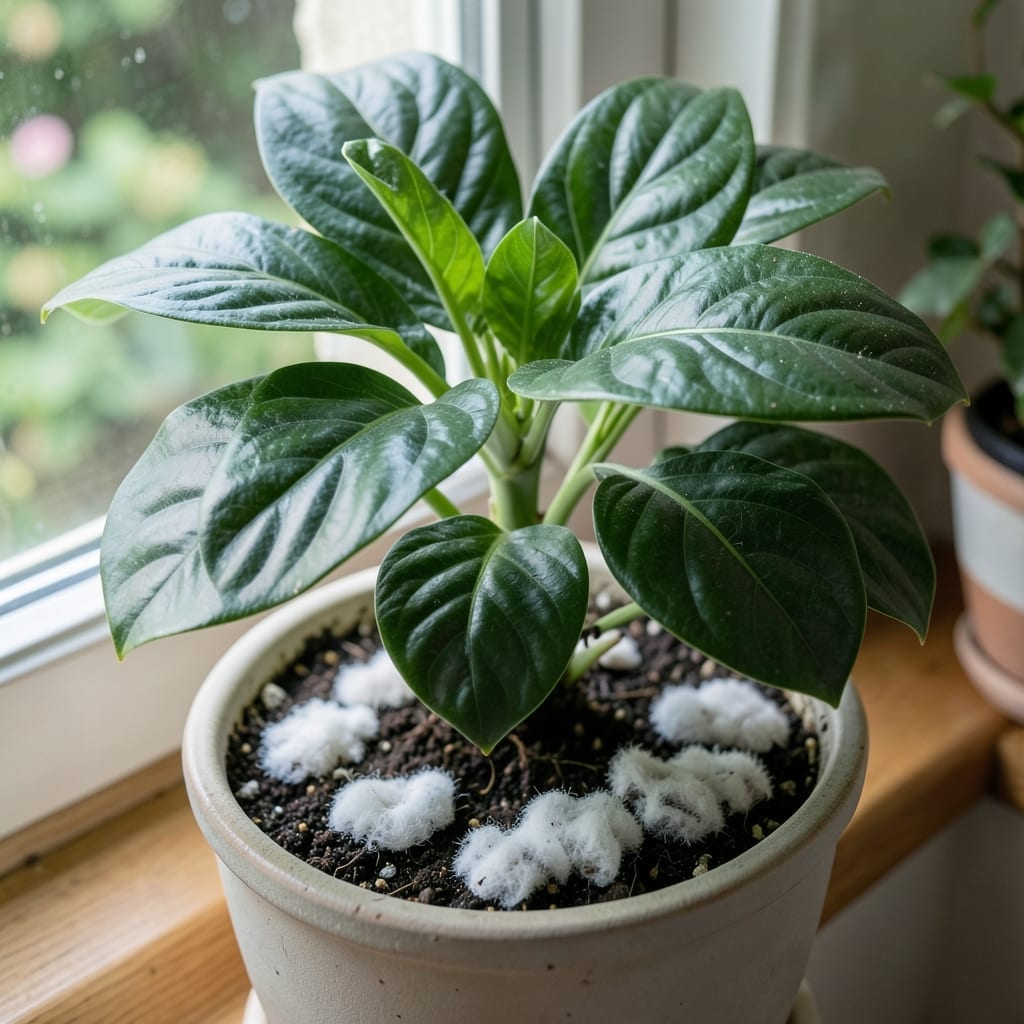
That white fuzz on your plant soil isn’t just unsightly—it’s a red flag. I learned the hard way that overwatering creates the perfect breeding ground for mold and fungal growth. The solution starts with better habits.
Improving drainage and adjusting your watering schedule can stop the problem before it spreads. I always check soil moisture with my finger now, and it’s saved more plants than I can count. Natural fungicides like cinnamon or chamomile tea work wonders too.
Prevention is simpler than you think. Proper airflow, clean containers, and good quality soil make all the difference. These small changes keep your plants healthy and your soil fuzz-free.
Works for houseplants, seed starts, and container gardens alike. Let’s tackle this together.
The appearance of white fuzz on plant soil often stems from biological or environmental imbalances. Below are the most common causes, explained with actionable insights.
Saprophytic fungi, like Mucor or Penicillium, thrive in moist, organic-rich soil. They decompose dead plant matter but can overgrow when soil stays damp. Overwatering, poor drainage, or high humidity directly fuel their spread. These fungi appear as fluffy, cotton-like patches and are typically harmless to plants but indicate excess moisture.
Decaying leaves, bark, or uncomposted mulch create a breeding ground for mold. As organic material breaks down, white mycelium (mold threads) may surface. This is common in potted plants with dense, undisturbed soil. Action: Remove visible debris and reduce organic matter on the soil surface to curb growth.
Stagnant air and humidity levels above 60% encourage fungal spores to germinate. This is especially true in terrariums or tightly grouped houseplants. Solution: Increase ventilation with a small fan or space plants apart. A dehumidifier can help in persistently damp environments.
Excess nitrogen or organic fertilizers (e.g., compost tea) can stimulate microbial blooms, including white fuzz. These microbes feed on the surplus nutrients, leading to visible colonies. Fix: Flush the soil with water to leach out excess fertilizer and adjust your feeding schedule.
White fuzz on your plant’s soil is usually a fungal issue, but the good news is it’s treatable! Here’s how to tackle it based on the cause:
If soggy soil is the culprit, stop watering immediately. Move your plant to a sunny spot to speed up drying. For potted plants, ensure the container has drainage holes. Prevention tip: Water only when the top inch of soil feels dry. 💡
Sprinkle a thin layer of cinnamon or baking soda on the soil—both are gentle but effective against fungi. For stubborn cases, mix 1 part hydrogen peroxide (3%) with 4 parts water and lightly spray the soil. Prevention tip: Avoid overcrowding plants to improve airflow. ✨
If decaying leaves or wood chips are feeding the fuzz, gently scrape off the top layer of soil and replace it with fresh, sterile potting mix. Prevention tip: Clear fallen leaves or plant debris regularly. 🎯
For severe infestations, repot your plant entirely. Shake off old soil, rinse the roots, and use a new, well-draining mix. Prevention tip: Use pasteurized soil for future plantings. 🌡️
Consistency is key—stick to these fixes, and your plant’s soil will stay fuzz-free!
Generally, it’s more of a warning sign than a direct threat. The fuzz itself won’t harm healthy plants immediately, but it signals excess moisture that can lead to root rot if left unchecked.
Water only when the top 1 inch of soil feels dry, ensure pots have drainage holes, and keep plants in well-ventilated areas. A thin layer of sand on top can also discourage growth.
Diluted white vinegar (1 part vinegar to 3 parts water) can work, but use sparingly as it may alter soil pH. Test on a small area first to avoid damaging roots.
Seed trays often lack drainage and are kept in humid environments. Use sterile seed-starting mix and avoid overcrowding seedlings to improve airflow.