
Beautiful Plants For Your Interior
Beautiful Plants For Your Interior
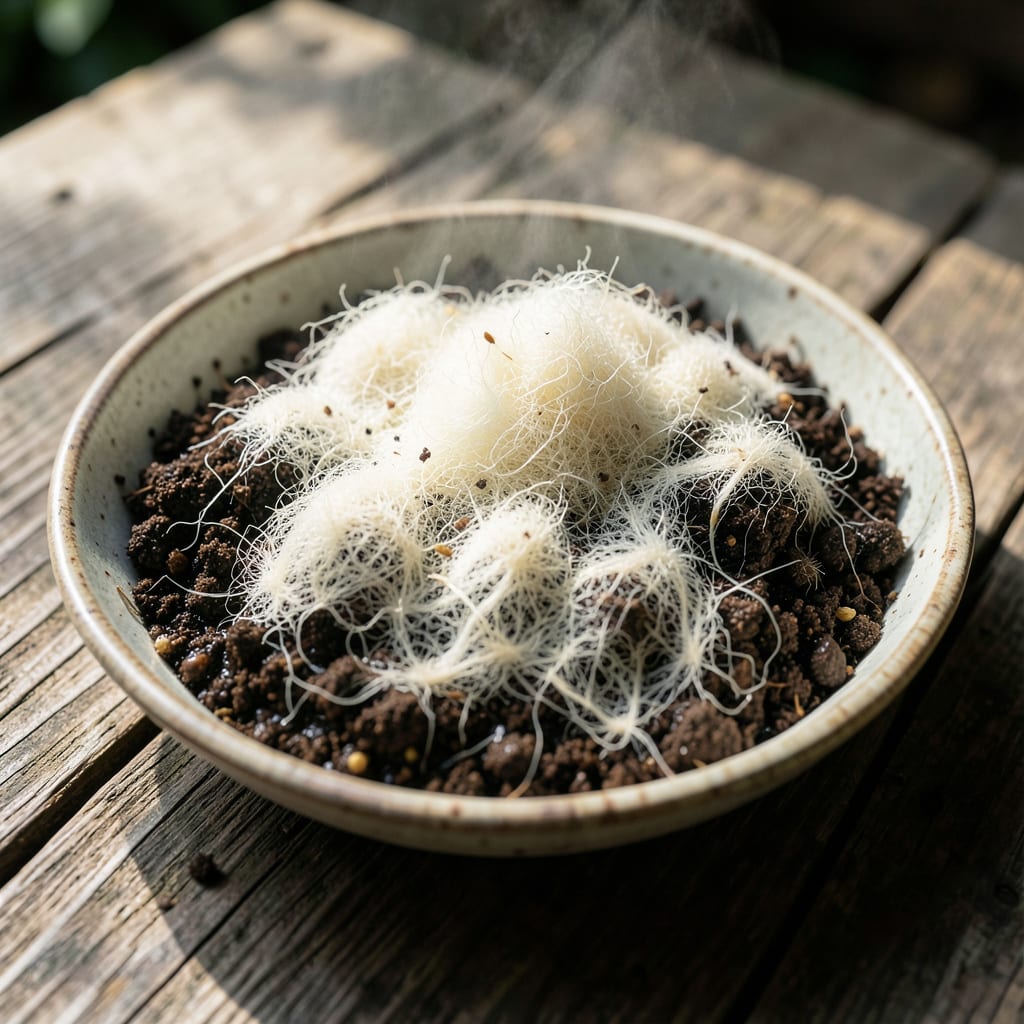
White fuzz on soil stopped me cold the first time I saw it in my seed trays. Turns out it’s usually harmless mold, not some garden apocalypse.
This happens when soil stays too wet and air can’t circulate. I’ve fixed it by moving plants to better light, improving airflow, and letting the top inch dry between waterings. Simple changes with big results.
For stubborn cases, a sprinkle of cinnamon or a diluted hydrogen peroxide solution does the trick. Both are natural, won’t hurt your plants, and tackle the problem at the source.
Prevention is easier than cure. Use well-draining soil, avoid overwatering, and you’ll keep your seedlings clean and thriving from the start.
The appearance of white fuzz on soil is usually a sign of fungal or bacterial activity. Below are the most common causes, explained with actionable insights to help you address the root of the problem.
Excess moisture creates the perfect breeding ground for Saprophytic fungi, such as Mucor or Rhizopus. These fungi thrive in damp, oxygen-deprived soil, breaking down organic matter and forming visible white mycelium. If your soil stays soggy for days or lacks drainage holes, fungal growth is almost inevitable.
Soil rich in uncomposted organic material (e.g., fresh wood chips, leaf litter, or manure) can accelerate fungal colonization. As microorganisms decompose these materials, white fuzzy growth often appears on the surface. This is common in newly potted plants or garden beds with heavy mulch.
Fungi proliferate in temperatures between 70–90°F (21–32°C) with high humidity. Greenhouses, terrariums, or outdoor soil in tropical climates are hotspots for white fuzz. Poor airflow exacerbates the issue by trapping moisture and heat near the soil surface.
Using non-sterilized potting mix or dirty gardening tools can introduce fungal spores. Store-bought soil isn’t always sterile, and reused pots may harbor dormant fungi. Even tap water with high organic content can deposit spores over time.
Pro tip: Always bake soil at 200°F (93°C) for 30 minutes to kill spores before reuse.
White fuzz on soil is usually a sign of fungal growth, and the good news is that it’s often easy to tackle with a few simple steps. Below are targeted solutions for common causes, along with prevention tips to keep your soil healthy long-term.
If excess moisture is the culprit, stop watering immediately and let the top 1–2 inches of soil dry out completely. Move the plant to a sunnier spot or improve airflow with a small fan. For potted plants, ensure the container has drainage holes. Once dry, resume watering only when the soil feels dry to the touch.
Prevention tip: 💡 Use a moisture meter or the finger test to avoid overwatering in the future.
Soil that stays soggy needs better drainage. Repot the plant in fresh, well-draining soil mixed with perlite or coarse sand. If repotting isn’t an option, gently loosen the top layer of soil to improve aeration and sprinkle a thin layer of cinnamon (a natural antifungal) on the surface.
Prevention tip: 🌡️ Always use pots with drainage holes and a mix designed for your plant type (e.g., cacti need gritty soil, while ferns prefer moisture-retentive blends).
Decaying leaves or uneaten compost can feed fungal growth. Remove all visible debris from the soil surface and avoid leaving dead plant matter in the pot. If the fuzz persists, replace the top layer of soil entirely.
Prevention tip: ✨ Regularly clear fallen leaves or spent blooms from the soil to discourage future fungal issues.
For stubborn white fuzz, apply a natural antifungal. Dilute 1 teaspoon of baking soda in 1 quart of water and lightly mist the soil. Alternatively, use a hydrogen peroxide solution (1 part 3% peroxide to 4 parts water) to kill spores without harming plants. Apply in the morning for best results.
Prevention tip: 🎯 Rotate these treatments monthly in humid climates to keep spores at bay.
Generally no—most white fuzz is saprophytic fungus that breaks down organic matter. It won’t harm healthy plants but signals your soil is staying too wet.
With improved airflow and reduced watering, you’ll see a difference in 2-3 days. Stubborn cases may take up to 1 week with natural fungicides.
Yes, after treating it. Bake the soil at 200°F for 30 minutes to kill spores, or mix with fresh soil and perlite for better drainage.
Recurring fuzz usually means persistent moisture or poor drainage. Check for clogged drainage holes or compacted soil that traps water.
