
Beautiful Plants For Your Interior
Beautiful Plants For Your Interior
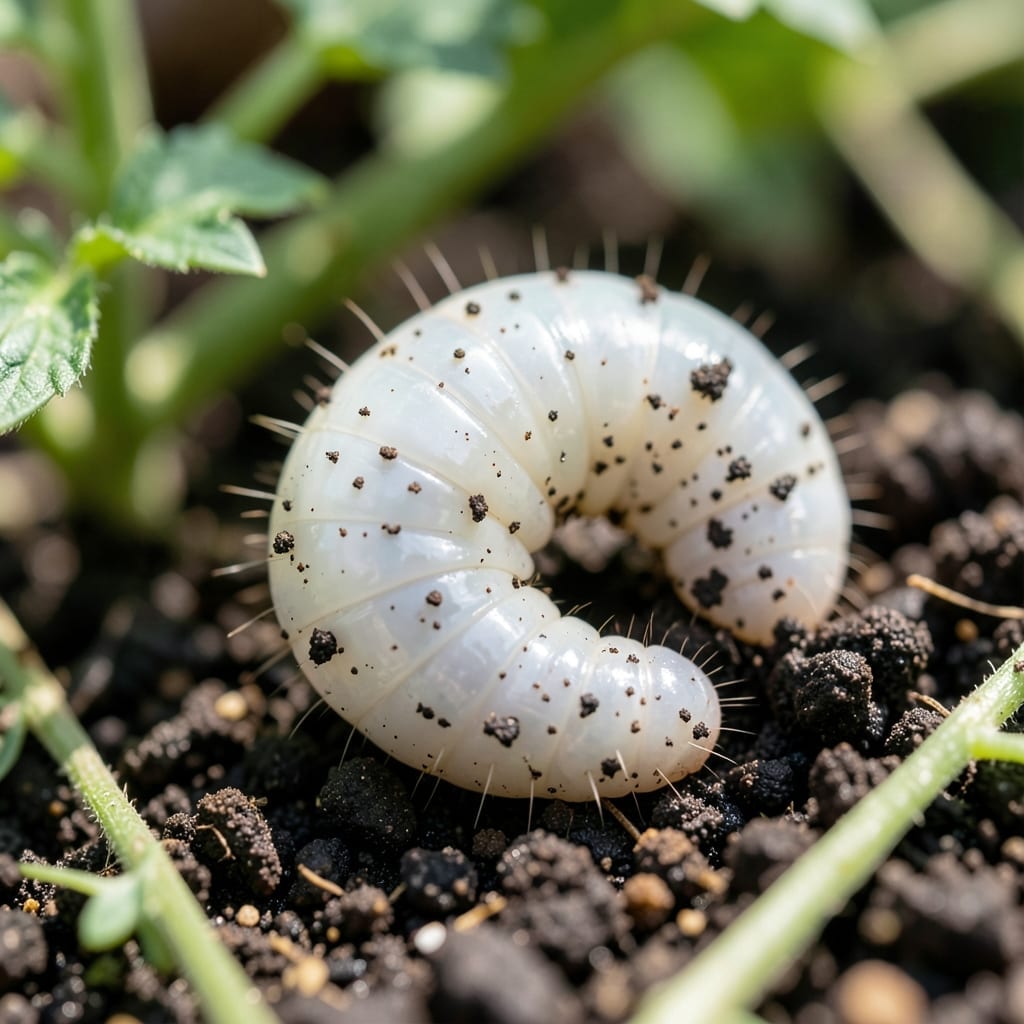
I spotted white worms in my pothos soil last spring and panicked. Turns out they’re usually harmless pot worms, but their presence signals overly moist conditions that can harm plant roots.
These tiny white worms thrive in damp soil, breaking down organic matter. While not directly harmful, they indicate an environment that might attract more damaging pests or cause root rot.
I removed them with a simple soil flush and adjusted my watering routine. The plants recovered within 2 weeks, looking healthier than before with no recurrence.
Prevention is straightforward: let soil dry between waterings and use well-draining potting mixes. This keeps both worms and root rot at bay.
White worms in plant soil often appear due to specific environmental and biological factors. Below are the most common causes, explained scientifically for clarity.
Overwatering or poorly draining soil creates a damp, oxygen-deprived environment—ideal for white worms like Enchytraeidae (potworms) or nematodes. These organisms thrive in consistently moist conditions, breaking down organic matter more aggressively when waterlogged.
Soil rich in decomposing leaves, compost, or mulch attracts white worms, as they feed on decaying plant material. While beneficial for nutrient cycling, excessive organic debris can lead to overpopulation, especially in potted plants or poorly managed garden beds.
White worms proliferate in temperatures between 60–80°F (15–27°C) with high humidity. Greenhouses, terrariums, or indoor plants near heat sources often harbor these pests due to the stable, warm microclimate that accelerates their life cycle.
Using unsterilized garden soil or low-quality potting mix can introduce worm eggs or larvae. Commercial potting mixes may also contain peat moss or coconut coir, which sometimes harbor dormant worms that activate when watered.
Addressing these root causes—such as improving drainage, moderating moisture, or pasteurizing soil—can effectively reduce white worm populations.
Dealing with white worms in your plant soil can be frustrating, but these practical solutions will help you restore your plants to health. Below are targeted fixes for common causes, along with prevention tips to keep them from returning.
If excess moisture is the culprit, start by allowing the soil to dry out between waterings. Repot the plant in fresh, well-draining soil and ensure the pot has drainage holes. Consider adding perlite or coarse sand to improve aeration. Prevention tip: Use a moisture meter 🌡️ to avoid overwatering in the future.
White worms thrive in decomposing organic matter. Gently remove the top layer of soil and replace it with fresh, sterile potting mix. Pick out any visible worms or larvae by hand. For severe infestations, repot the entire plant. Prevention tip: Avoid leaving fallen leaves or plant debris ✨ in the pot for long periods.
Introduce beneficial nematodes or Bacillus thuringiensis var. israelensis (Bti) to the soil to target larvae. You can also set up yellow sticky traps to catch adult gnats. For a DIY approach, mix 1 part hydrogen peroxide with 4 parts water and water the plant with it to kill larvae on contact. Prevention tip: Keep the soil surface dry 💡 and avoid over-fertilizing, which attracts gnats.
If your soil is old or contaminated, replace it entirely with a high-quality, sterile potting mix. This removes existing worms and their eggs while providing a clean start. Prevention tip: Sterilize reused pots 🎯 with a bleach solution (1 part bleach to 9 parts water) before replanting.
With these steps, you can effectively eliminate white worms and create a healthier environment for your plants. Stay consistent with prevention to keep them worm-free long-term!
Most white worms are harmless and actually help break down organic matter. However, their presence often indicates overly moist soil, which can lead to root rot. Monitor your plant’s health and adjust watering habits.
Let soil dry between waterings and use well-draining potting mix. Remove fallen leaves promptly and avoid over-fertilizing. Sterilize pots when reusing them.
Chemical pesticides can work but may harm beneficial soil organisms. Try natural solutions first, like hydrogen peroxide mixes or beneficial nematodes. Always follow product instructions carefully.