
Beautiful Plants For Your Interior
Beautiful Plants For Your Interior
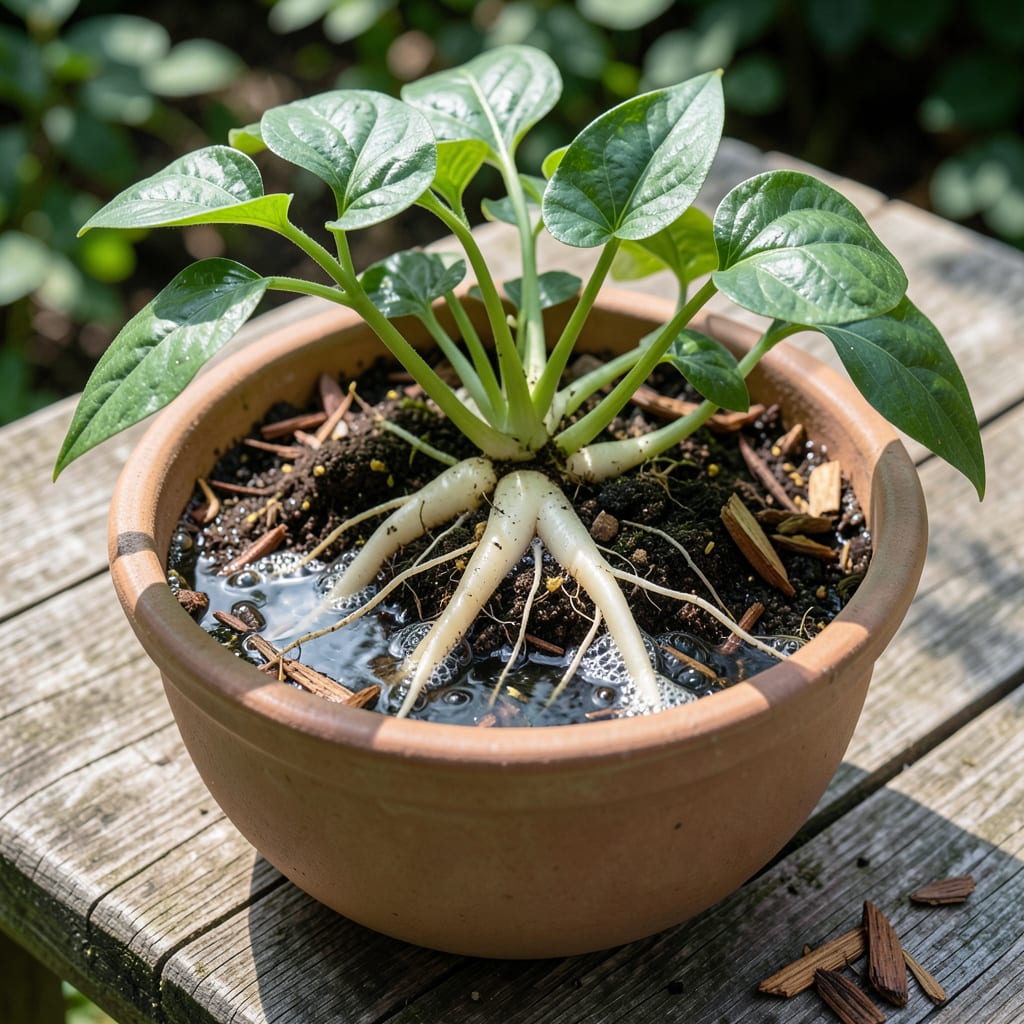
Root rot nearly destroyed my entire herb collection last summer. I discovered hydrogen peroxide by accident while searching for a natural solution that wouldn’t harm my plants or the soil.
This simple household staple works by oxygenating the root zone, killing the anaerobic bacteria that cause rot. The key is using the right concentration—3% solution works best—and applying it correctly to avoid damaging healthy tissue.
Within 48 hours, I saw wilting leaves perk up and new white roots emerge. The treatment saved plants I thought were goners, and now it’s my go-to rescue method for any suspect roots.
Works for houseplants, garden vegetables, and even hydroponic systems. Here’s exactly how to use it safely.
Hydrogen peroxide can harm roots when misused, but the real issue often lies in underlying conditions that make plants vulnerable. Here’s why root rot can develop after treatment:
Hydrogen peroxide (H2O2) is a potent oxidizing agent. While low concentrations (0.5–3%) can oxygenate roots and kill harmful pathogens, excessive use strips away beneficial microbes and damages root tissues. This weakens the plant, leaving it susceptible to Pythium, Phytophthora, or fungal attacks that cause rot.
Roots suffocate in soggy soil, even if hydrogen peroxide is applied correctly. Compacted or clay-heavy soil traps water, reducing oxygen availability. When H2O2 breaks down into water and oxygen, the extra moisture can worsen waterlogging, creating a perfect breeding ground for rot-causing organisms.
If your plant already has a latent fungal infection (e.g., Fusarium or Rhizoctonia), hydrogen peroxide may not be enough to eradicate it. In fact, improper application can stress the roots further, accelerating decay. Always diagnose the root issue before treating with H2O2.
Using undiluted hydrogen peroxide (e.g., 35% food-grade) or applying it too frequently burns root hairs, compromising their ability to absorb water and nutrients. Even diluted solutions can backfire if used more than once every 2–4 weeks as a preventative.
Root rot can feel like a death sentence for your plants, but hydrogen peroxide (H2O2) offers a simple, natural way to fight back. Here’s how to diagnose, treat, and prevent it—step by step.
Before treating, check for these signs:
If you spot these, root rot is likely the culprit.
Gently remove the plant from its pot and trim away all infected roots with sterilized scissors. This stops the rot from spreading to healthy tissue.
Mix 1 part 3% hydrogen peroxide with 2 parts water. Soak the remaining roots for 10–15 minutes. The oxygen released by H2O2 kills harmful bacteria and fungi while aerating the roots.
Pro Tip 💡: For severe cases, repeat the soak every 2–3 days until roots recover.
Discard the old soil (it may harbor pathogens) and repot the plant in clean, well-draining soil. Add perlite or sand to improve aeration.
With these steps, your plants can bounce back stronger—and stay that way! 🌿
Always use a 3% solution, diluted to 1 part peroxide with 2 parts water. Stronger concentrations can damage roots and beneficial soil microbes.
For treatment, use once every 2–3 days until roots recover. For prevention, a monthly soak with a 1:4 mix keeps roots healthy without overuse.
Yes, it works for houseplants, garden vegetables, and hydroponics. However, avoid using on delicate root systems like orchids without testing first.
If roots stay brown and mushy after 2 weeks, the rot may be too advanced. Check for poor drainage or fungal infections that need additional treatment.
