
Beautiful Plants For Your Interior
Beautiful Plants For Your Interior
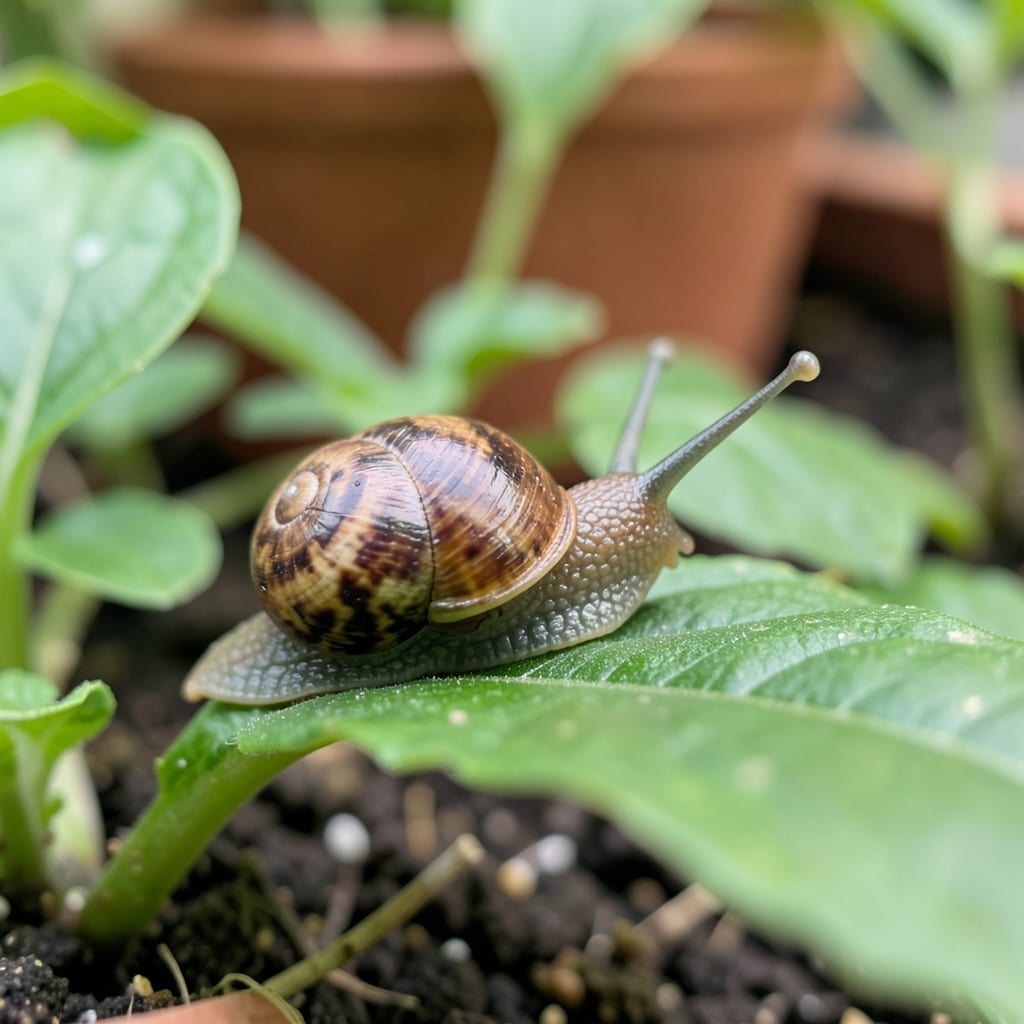
Woke up to find my potted basil chewed to stubs. Snails had thrown a midnight party without the invite. I learned the hard way that these pests love the moist, sheltered world of container gardens, turning your carefully tended plants into an all-you-can-eat buffet.
Here’s the thing—snails aren’t just a nuisance, they’re stubborn. They’ll hide under rims, in drainage holes, or beneath the soil during the day, emerging at night to feast. The key is catching them early before they multiply and spread to every pot on your patio.
You can reclaim your containers without harsh chemicals. A few natural barriers, some strategic traps, and consistent night patrols will send them packing. I’ve tested methods that work in 24-48 hours without harming plants or beneficial insects.
Your potted plants will bounce back with vibrant new growth once the snails are gone. The best part? These solutions keep working even after the first wave is defeated.
Snails in potted plants don’t just appear by accident—they’re drawn in by specific conditions. Understanding why they invade helps you prevent future outbreaks. Here are the most common causes:
Snails thrive in damp environments. Overwatering or poor drainage in potted plants creates the perfect breeding ground. Stagnant water in saucers or compacted soil provides both hydration and shelter, luring them in. They’re especially active at night or after rain, seeking out moisture to survive.
Decaying leaves, fallen petals, or uneaten mulch act like a buffet for snails. They feed on soft, decomposing plant matter, which is often abundant in poorly maintained pots. Even small amounts of organic debris can sustain a snail population, encouraging them to stay and multiply.
Potted plants without protective measures are easy targets. Snails can crawl in from nearby soil, other infested plants, or even hitch a ride on gardening tools. Open pots or low edges provide unobstructed access, making it simple for them to settle in undetected.
Dense foliage or clustered pots give snails plenty of dark, humid hiding spots. They prefer shaded, undisturbed areas to lay eggs and avoid predators. If your potted plants are tightly packed or placed in dim corners, they become prime real estate for snails.
Snails in potted plants can be stubborn, but these targeted fixes will help you reclaim your greenery. Address the root causes with simple, effective methods.
Snails thrive in damp conditions. Let the top inch of soil dry out between waterings to make the environment less inviting. Use a moisture meter or the finger test to check soil dampness. Water in the morning so excess moisture evaporates during the day, reducing overnight appeal for snails.
Remove fallen leaves, dead plant material, and uneaten mulch from the pot and saucer. Keep the area tidy to eliminate hiding spots and food sources. Consider replacing organic mulch with gravel or sand, which are less attractive to snails.
Create a physical barrier to keep snails out. Wrap the pot’s rim with copper tape—snails dislike the reaction it causes. Alternatively, place crushed eggshells or diatomaceous earth around the base; their sharp edges deter soft-bodied pests. Elevate pots on stands to limit ground-level access.
Dense foliage traps moisture and provides shelter. Prune overgrown plants and space pots apart to improve airflow and reduce humidity. This also makes it easier to spot and remove snails early.
Prevention Tips:
They’re attracted to moisture and organic debris. Remove fallen leaves and adjust watering to disrupt their habitat. Check nearby pots—they may be migrating from other infested containers.
Birds, frogs, and ground beetles eat snails. Encourage them by adding a small water source or leaving leaf litter nearby. Avoid pesticides, which can harm these helpful allies.
Salt works but can harm plants and soil. Use sparingly—sprinkle a tiny amount directly on snails, not the pot. Better alternatives include copper tape or diatomaceous earth.
Inspect at night or early morning when snails are active. Weekly checks are ideal for early detection. Look under rims and in drainage holes—their favorite hiding spots.