
Beautiful Plants For Your Interior
Beautiful Plants For Your Interior
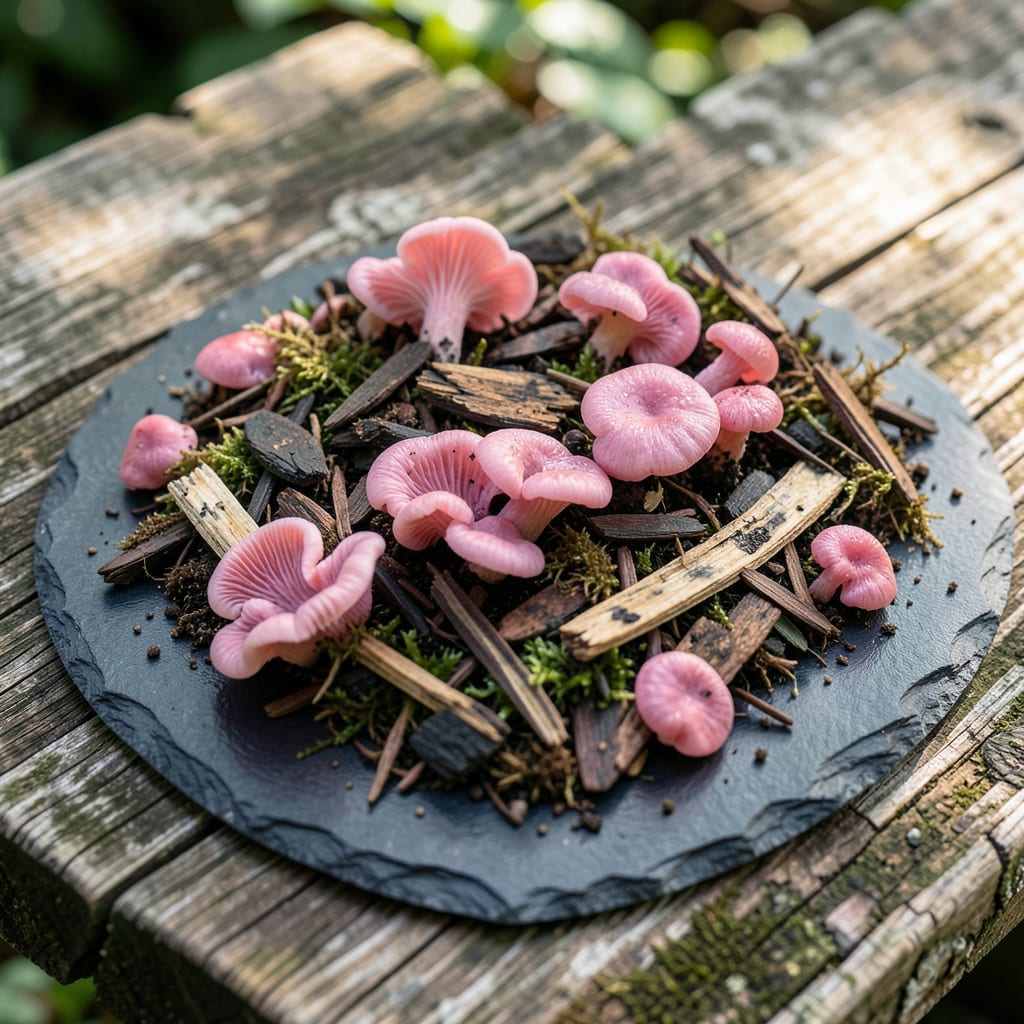
That pink slime in your mulch isn’t pretty, but it’s not dangerous either. I’ve seen this fungus pop up after rainy spells, turning wood chips a shocking shade of cotton candy.
It’s usually Nectria or Fusarium, thriving on excess moisture and organic matter. The good news? It won’t harm your plants, though it looks alarming. Left alone, it’ll fade as conditions dry out.
For faster removal, rake the affected mulch to expose it to air and sunlight. Replace heavily infested areas with fresh, dry chips to prevent regrowth.
Prevent future outbreaks by improving drainage and avoiding thick mulch layers. Simple fixes keep your garden beds looking clean and healthy.
Pink fungus in mulch is a common sight, but its appearance isn’t random. Several environmental and biological factors create the perfect conditions for it to thrive. Understanding these causes can help you prevent or address the issue effectively.
Excess moisture is the primary trigger for pink fungus (often Fusarium or Trichoderma species). Mulch retains water, and when it stays damp for extended periods—due to overwatering, poor drainage, or heavy rainfall—it becomes a breeding ground for fungal spores. These spores germinate in wet conditions, leading to the characteristic pink or reddish growth.
Mulch is rich in organic material, which fungi break down as part of nature’s recycling process. When mulch is fresh or improperly aged, it contains high levels of cellulose and lignin. Pink fungi, like Sporobolomyces, thrive on these compounds, especially in warm, humid environments. The decomposition process releases nutrients that further fuel fungal growth.
Compacted or thick layers of mulch limit airflow, trapping moisture and heat. This stagnant environment accelerates fungal development. Without proper ventilation, spores settle and multiply, turning patches of mulch pink. Thin mulch layers (2–3 inches) and occasional turning can disrupt this cycle.
Sometimes, the fungus hitches a ride in the mulch itself. If the original material (e.g., wood chips, bark) was already infected or stored in damp conditions before purchase, spores can spread once applied. Opt for reputable suppliers and inspect mulch for signs of mold or discoloration before use.
Dealing with pink fungus in your mulch doesn’t have to be a headache. Here’s how to tackle the most common causes and keep your garden healthy and fungus-free.
Pink fungus thrives in damp conditions. If your mulch stays soggy, start by raking it to aerate and speed up drying. For a long-term fix, mix in coarse materials like wood chips or straw to improve airflow. Prevention tip: 💡 Avoid overwatering and ensure your garden beds have proper drainage.
Compacted mulch traps moisture and encourages fungal growth. Use a garden fork or rake to turn the mulch regularly, breaking up clumps and allowing air to circulate. Prevention tip: 🌬️ Keep mulch layers light—2 to 3 inches max—to prevent compression.
Old, decaying mulch is a breeding ground for fungus. Scoop out heavily infested areas and replace them with fresh, high-quality mulch. Opt for cedar or pine bark, which have natural antifungal properties. Prevention tip: ✨ Refresh mulch annually to keep it effective and fungus-resistant.
If pink fungus persists in hot, humid climates, apply an organic fungicide like neem oil or a baking soda solution (1 tablespoon per gallon of water). Spray the affected areas every 7–10 days until the fungus disappears. Prevention tip: 🎯 Space plants properly to reduce humidity and improve airflow.
With these steps, you can say goodbye to pink fungus and keep your mulch—and garden—looking its best!
No, it’s mostly harmless to plants. The fungus primarily feeds on decomposing mulch, not living plant tissue.
Keep mulch layers under 3 inches thick and turn it regularly. Improve drainage to avoid excess moisture buildup.
Rake and expose the affected mulch to sunlight. For severe cases, replace it with fresh, dry mulch.
Organic options like neem oil work well. Avoid harsh chemicals—they can harm beneficial soil organisms and plants.
