
Beautiful Plants For Your Interior
Beautiful Plants For Your Interior
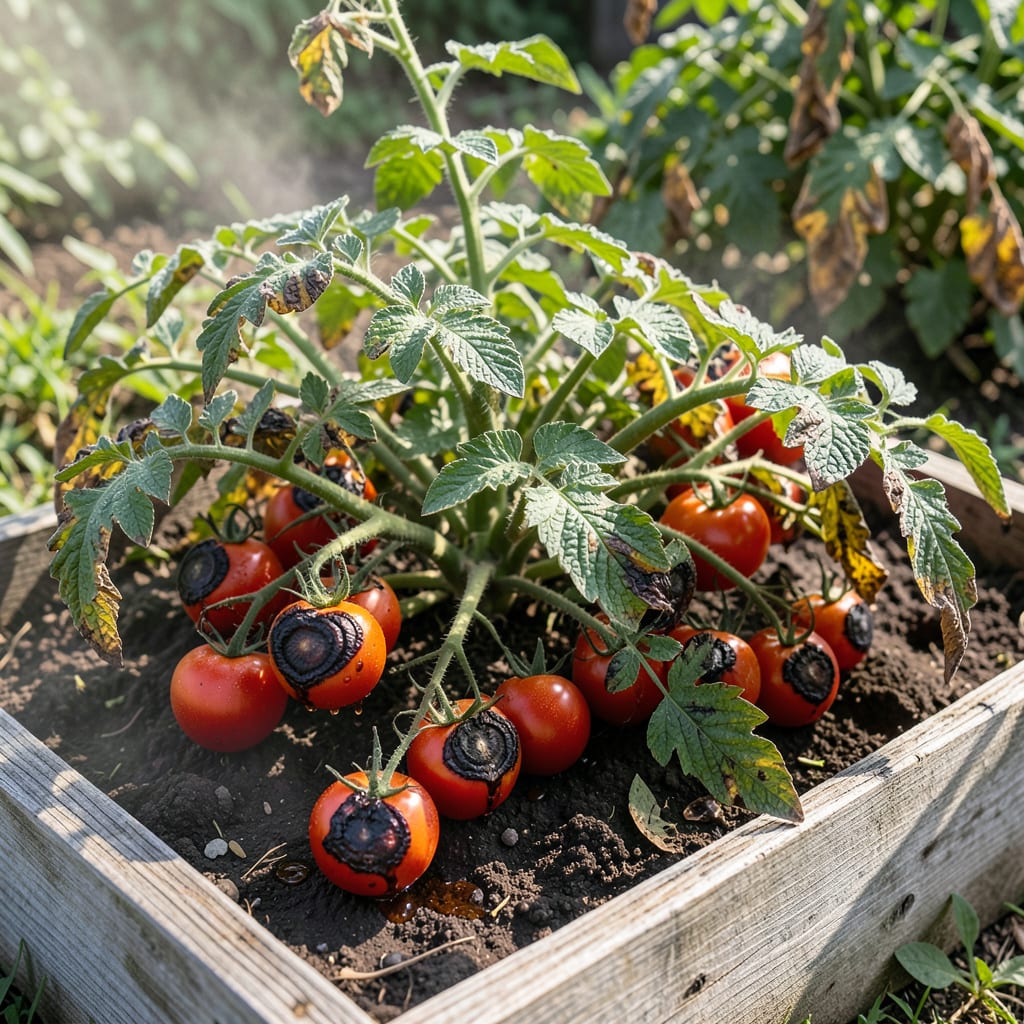
Spotted black splotches on your tomato leaves last week? I did too, and it turned out to be early black rot. Catching it early saved my entire crop from turning into a mushy mess.
This fungal villain thrives in wet, crowded conditions. It starts as small dark spots, then spreads fast—leaving your plants stunted and fruit rotting on the vine. The good news? A few simple habits can stop it cold.
Proper spacing, morning watering, and quick leaf removal make all the difference. I switched to drip irrigation and haven’t seen it since. Your tomatoes will thank you with stronger growth and bigger harvests.
Works for heirlooms, cherry tomatoes, or patio containers. Here’s how to keep your plants clean and productive all season long.
Black rot on tomato plants is primarily caused by the bacterial pathogen Xanthomonas campestris pv. vesicatoria. This destructive disease thrives under specific environmental conditions and spreads rapidly if left unchecked. Below are the key causes behind its development.
Prolonged leaf wetness, high humidity, or overhead irrigation creates the perfect breeding ground for the bacteria. Water-saturated soil or poor drainage further exacerbates the problem by stressing the plant and limiting root oxygen uptake. Actionable tip: Use drip irrigation to keep foliage dry and ensure soil has proper drainage.
The bacteria thrive in temperatures between 75–85°F (24–29°C) with high humidity. These conditions accelerate bacterial growth and infection rates. Actionable tip: Plant tomatoes in well-ventilated areas and space them adequately to improve airflow.
The pathogen can survive in soil or on infected plant debris, waiting to infect new crops. Using contaminated seedlings or tools spreads the bacteria to healthy plants. Actionable tip: Sterilize tools, use disease-free seeds, and rotate crops to break the bacterial cycle.
Insects like aphids or whiteflies, as well as human handling (e.g., pruning or harvesting), can spread the bacteria from plant to plant. Even minor wounds from insects or gardening tools provide entry points. Actionable tip: Monitor for pests, wash hands/tools between plants, and avoid working with wet plants.
Some tomato cultivars lack genetic resistance to Xanthomonas, making them more vulnerable. Actionable tip: Opt for resistant varieties labeled as tolerant to bacterial spot or black rot.
Tackling black rot on your tomato plants starts with quick, targeted action. Below are the most effective fixes for each cause, paired with prevention tips to keep your garden thriving.
Fix: Adjust your watering schedule to keep soil moist but not soggy. Water at the base of the plant in the early morning to allow foliage to dry. If drainage is poor, amend the soil with compost or create raised beds.
Prevention: Use drip irrigation to avoid wetting the leaves. Mulch around plants to retain moisture without waterlogging.
Fix: Remove and destroy infected plants immediately to prevent spores from spreading. Prune affected leaves with sterilized shears, and avoid composting diseased material.
Prevention: Space plants at least 2 feet apart for good airflow. Rotate crops yearly to disrupt fungal cycles.
Fix: Improve ventilation by pruning dense foliage and staking plants to open the canopy. Use a fungicide like copper-based sprays at the first sign of disease.
Prevention: Water early in the day so leaves dry quickly. Choose resistant tomato varieties like ‘Mountain Merit’ or ‘JTO-9584’.
Fix: Sterilize gardening tools with a 10% bleach solution or rubbing alcohol after each use. Solarize soil by covering it with clear plastic for 4-6 weeks to kill fungal spores.
Prevention: Clean tools regularly and avoid working with wet plants to limit disease transmission.
💡 Pro Tip: Apply a thick layer of organic mulch (straw or wood chips) to reduce soil splashing onto leaves, which can spread fungal spores.
Remove severely infected plants immediately to protect others. For early cases, prune affected leaves and apply a copper fungicide. Always sterilize tools after handling.
Avoid overhead watering and work with plants when dry. Space tomatoes 2 feet apart for airflow. Wash hands and tools between plants to stop transmission.
Small black or brown spots on lower leaves that grow and merge. Yellow halos may appear around spots. Check undersides of leaves for early detection.
Yes! Try ‘Mountain Merit’ or ‘JTO-9584’ for built-in resistance. These tolerate bacterial diseases better than heirlooms.
