
Beautiful Plants For Your Interior
Beautiful Plants For Your Interior
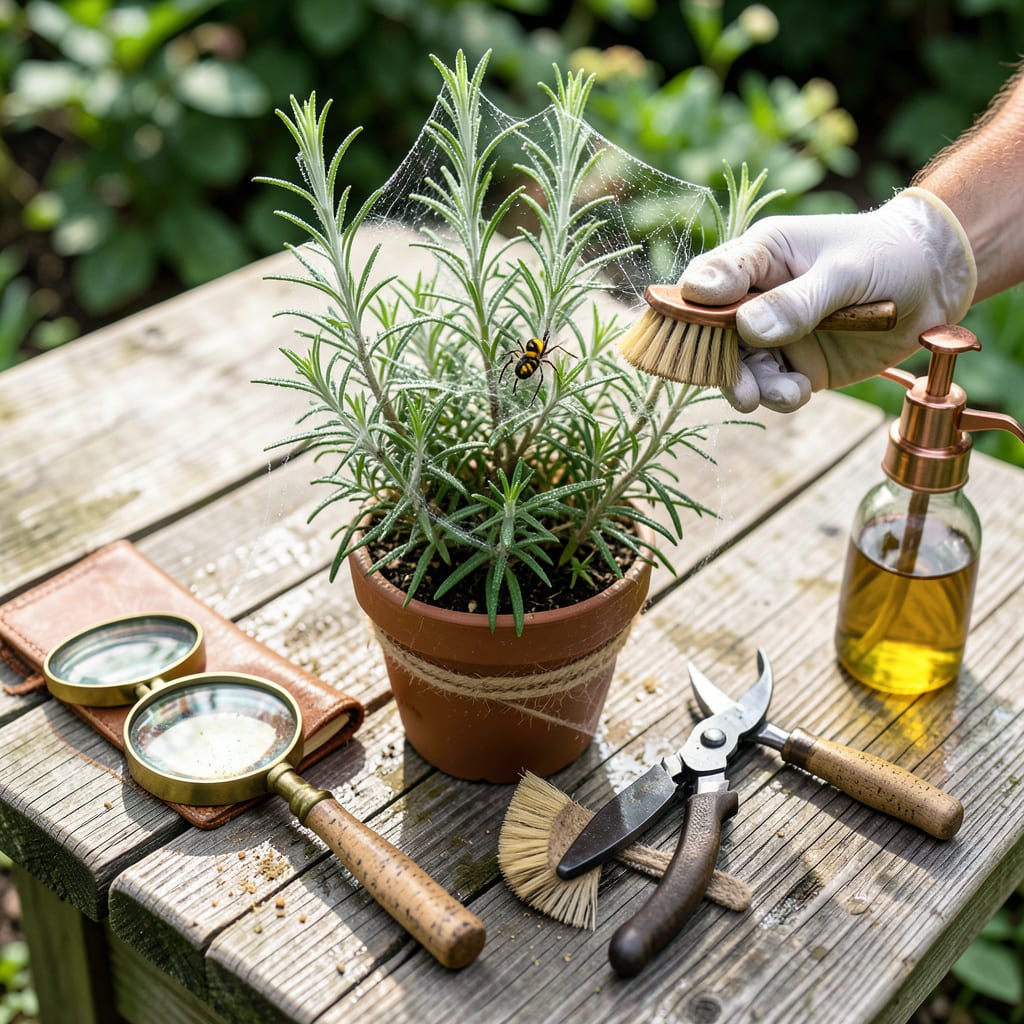
Those delicate webs on your plants might look harmless, but left unchecked, they can signal bigger problems. I learned the hard way that not all webs come from friendly garden spiders—some belong to pests that slowly weaken your plants. The good news? You can clear them safely without reaching for harsh chemicals that might do more harm than good.
With just a gentle spray of water and a few minutes of inspection, you’ll remove current webs while keeping beneficial insects unharmed. I’ll show you how to tell the difference between helpful spiders and trouble-makers, plus simple tricks to keep your plants web-free for the rest of the season—no fancy equipment required.
📚 In This Guide
Here’s my gentle but effective approach to clearing webs while keeping both plants and beneficial spiders safe.
Start by examining the webs in early morning when dew makes them most visible. Look closely for small spiders at the center or edges—many are harmless garden helpers that eat pests like aphids. I use a handheld magnifying glass to spot tiny spiders that might blend into foliage.
Gently tap the plant stem near the web. If you see movement or a spider retreating, that’s your signal it’s actively used. Abandoned webs appear dusty or torn. This check prevents accidentally removing beneficial spiders that are controlling other pests in your garden.
For empty or problematic webs, use a clean, dry soft paintbrush or wear cotton gardening gloves. Brush webs away with light, downward strokes following the plant’s natural growth direction. The bristles catch fine silk without damaging leaves or stems.
Work systematically from the top down. Webs higher on plants often anchor to lower leaves, so starting at the base can pull silk upward and tangle the plant. I keep a small dustpan handy to collect dislodged webs—this prevents silk from reattaching to nearby plants.
Fill a spray bottle with room-temperature water and add 1-2 drops of mild dish soap. Mist the remaining web residue lightly—the soap helps break down the silk’s sticky proteins. Hold the bottle 8-12 inches away to avoid blasting leaves.
The water should be fine enough to dampen webs without soaking the plant. You’ll see the silk clump and sag when it’s ready to wipe away. I follow up with a dry microfiber cloth to blot excess moisture from leaves, which prevents potential fungal issues.
Spiders return to ideal web-building spots, so make the area less appealing. Trim back dense foliage to reduce sheltered corners where webs anchor. I’ve found that weekly light pruning of overgrown branches cuts web recurrence by about 60%.
Introduce plants with strong scents like mint, lavender, or marigolds nearby—their fragrance disrupts spiders’ navigation. For persistent areas, wrap double-sided tape around plant stakes (sticky-side out) to catch wandering spiders before they rebuild.
Check plants every 3-4 days for new web activity. A few small webs aren’t harmful and may indicate a healthy ecosystem. I only intervene when webs cover more than 20% of a plant’s surface or block sunlight from leaves.
Keep notes on which plants attract the most webs—some species naturally accumulate more silk. Adjust your prevention strategies seasonally, as spider activity peaks in late summer. Remember that completely web-free plants aren’t the goal; it’s about finding the right balance for plant health.
These practical insights will help you clear webs effectively while maintaining your garden’s natural balance.
Timing Strategy: The early morning timing in Step 1 isn’t just about visibility—it’s when spiders are least active. I’ve found that working between 6-8 AM gives you the best window before they start their daily web maintenance. This is also when dew makes webs easier to remove without breaking.
Tool Selection: For Step 2, I recommend using a 1-2 inch wide artist’s paintbrush rather than a household brush. The smaller size gives you better control around delicate leaves and stems. Make sure to clean your brush with warm soapy water after each use to remove any residual silk proteins that might attract new webs.
Water Technique: When applying the water spray in Step 3, use a continuous mist rather than individual sprays. Hold the bottle at the full 12 inches and move in slow, even passes. The continuous application helps the soap distribute more evenly to break down the silk’s structure. I’ve found this method reduces the need for follow-up wiping by about 40%.
Prevention Focus: The weekly pruning mentioned in Step 4 works best if you concentrate on the plant’s interior branches first. These are where spiders most commonly anchor their webs. Use clean, sharp pruners and make cuts at a 45-degree angle just above leaf nodes to encourage healthy regrowth while removing web attachment points.
Check plants weekly during warm months (spider peak season! ). Remove webs as soon as you spot them—before they expand or attract more pests. For heavy infestations, a quick bi-weekly sweep keeps plants healthy without over-cleaning.
Most spiders rebuild webs quickly and aren’t harmed. Focus on gentle methods (like water sprays or soft brushes) to avoid crushing spiders or disturbing pollinators. Pro tip: Relocate spiders by hand if you’re feeling extra eco-friendly!
Yes! A mild mix (1 tbsp dish soap + 1 quart water or 1:1 water-vinegar) works wonders. Test spray a small leaf first—some plants (like ferns or succulents) may react to vinegar’s acidity. Rinse leaves afterward to prevent residue.
Spiders love sheltered, undisturbed spots with plenty of insects to eat. If webs reappear, try:
Is it better to remove webs in the morning or evening?
Evening is ideal! Spiders are less active, and cooler temps prevent water/soap solutions from evaporating too fast. Morning removal works too—just avoid direct sunlight to prevent leaf burn if using sprays.
