
Beautiful Plants For Your Interior
Beautiful Plants For Your Interior
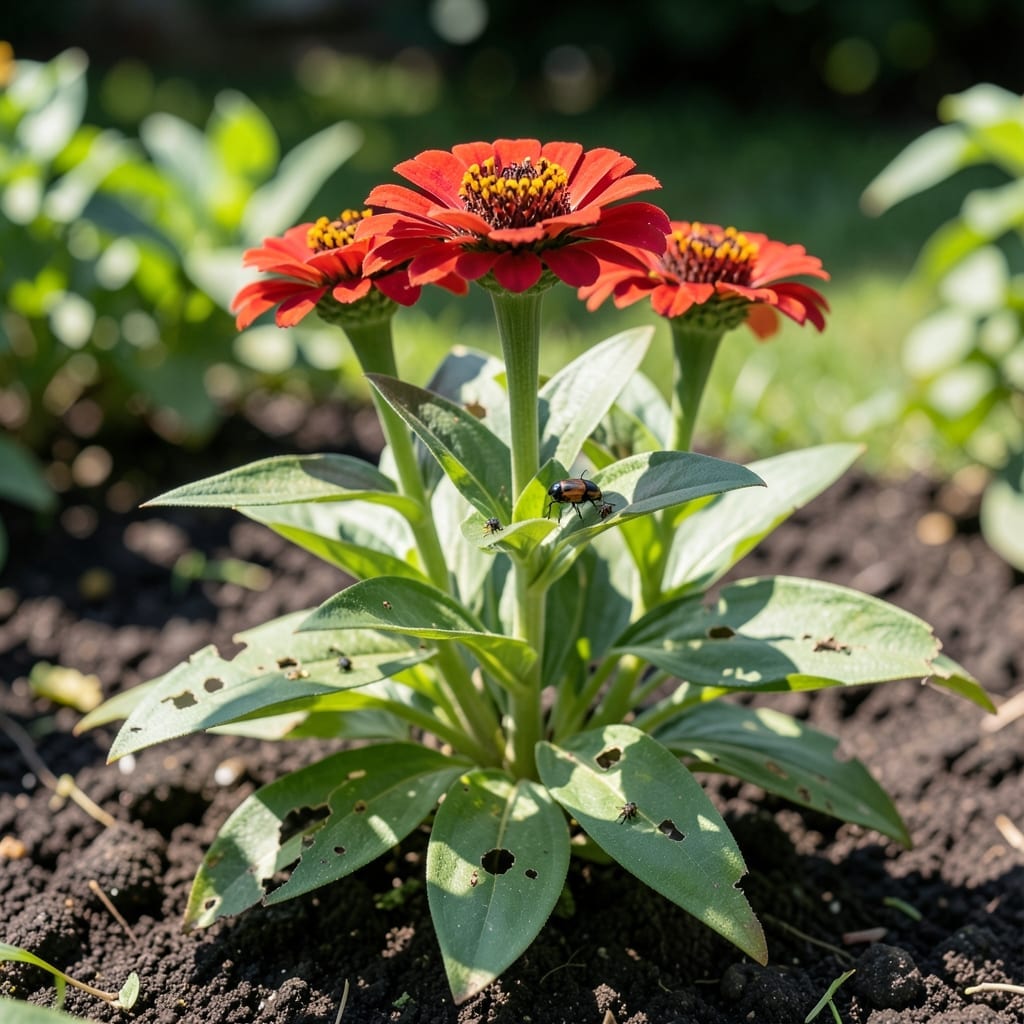
Watching your zinnias get chewed overnight is heartbreaking. I’ve lost entire beds to mysterious pests before realizing the culprits were usually hiding in plain sight.
Japanese beetles skeletonize leaves, aphids cluster on new growth, and slugs leave silvery trails. The damage looks different for each, but the solution starts with proper identification. A flashlight at dusk reveals most offenders.
Organic fixes work fast: handpick beetles into soapy water, blast aphids off with water, or set beer traps for slugs. These methods protect your flowers without harsh chemicals.
Prevention is simpler than cure—companion planting with marigolds or basil often deters pests before they start. Here’s how to keep your zinnias thriving.
Zinnias are vibrant and hardy, but they’re also a buffet for many garden pests. Understanding why your zinnias are being devoured is the first step to protecting them. Below are the most common causes, backed by science and actionable insights.
Insects are the primary culprits behind zinnia damage. Japanese beetles, for example, skeletonize leaves by feeding on the tissue between veins, while aphids pierce plant cells to suck out sap, causing curled or yellowing foliage. Spider mites thrive in hot, dry conditions, leaving behind stippled or bronze-colored leaves. These pests are drawn to zinnias for their tender foliage and nectar-rich flowers, making regular inspection critical.
These slow-moving pests are nocturnal feeders, leaving behind irregular holes and slime trails on leaves and petals. They thrive in moist, shaded environments, so overwatering or dense plantings can exacerbate the problem. Slugs and snails rasp through plant tissue with their radula (a tongue-like organ), causing ragged edges that are easy to spot in the morning.
If entire stems or flower heads are disappearing overnight, larger herbivores like deer or rabbits may be to blame. Deer prefer young, tender shoots and can strip a plant bare in one visit. Rabbits, on the other hand, typically nibble lower leaves and stems, leaving clean cuts. Both are attracted to zinnias for their high moisture and nutrient content.
While not “eating” in the traditional sense, pathogens like powdery mildew or bacterial leaf spot can weaken zinnias, making them more susceptible to pest attacks. These infections often spread in humid conditions or through poor air circulation, stressing the plant and reducing its natural defenses.
Once you’ve identified the culprit behind your zinnia damage, it’s time to take action. Here’s how to tackle each common pest with simple, organic solutions—and keep them from coming back.
Use a strong spray of water from your hose to knock aphids off the plants. For stubborn infestations, apply insecticidal soap or neem oil (mix 1 tbsp per gallon of water) every 5–7 days. Prevention tip: 💡 Encourage ladybugs, their natural predators, by planting dill or fennel nearby.
Create a copper tape barrier around plant beds or use beer traps (bury a shallow dish filled with beer—they’ll crawl in and drown). Handpick them at dusk when they’re most active. Prevention tip: 🌿 Keep the garden free of debris and water in the morning so soil dries by nightfall.
Drop beetles into a bucket of soapy water early in the morning when they’re sluggish. For larger outbreaks, spray plants with neem oil or kaolin clay to deter feeding. Prevention tip: ✨ Avoid overwatering—beetles love damp soil—and remove weeds that attract them.
These thrive in dry conditions. Mist plants regularly or use a humidifier nearby. Wipe leaves with a damp cloth to remove mites, or apply insecticidal soap. Prevention tip: 🌡️ Space plants properly for airflow and avoid dust buildup on foliage.
Handpick caterpillars and move them to a wild area. For severe cases, use Bacillus thuringiensis (Bt), a natural bacteria that targets caterpillars without harming other insects. Prevention tip: 🎯 Plant companion flowers like marigolds to repel adult moths from laying eggs.
Consistency is key—monitor your zinnias daily and act at the first sign of trouble. With these fixes, your blooms will bounce back in no time!
Look for clues like slime trails (slugs), chewed leaf edges (beetles), or curled leaves (aphids). Use a flashlight at night to spot nocturnal pests.
Plant marigolds or basil nearby to repel insects. Neem oil or insecticidal soap work well for many pests without harsh chemicals.
Zinnias have tender foliage and nectar-rich flowers, making them irresistible to many garden pests. Regular inspection helps catch issues early.
Prune damaged leaves and treat remaining foliage with organic sprays. Healthy roots often regrow new leaves within 2-3 weeks.