
Beautiful Plants For Your Interior
Beautiful Plants For Your Interior
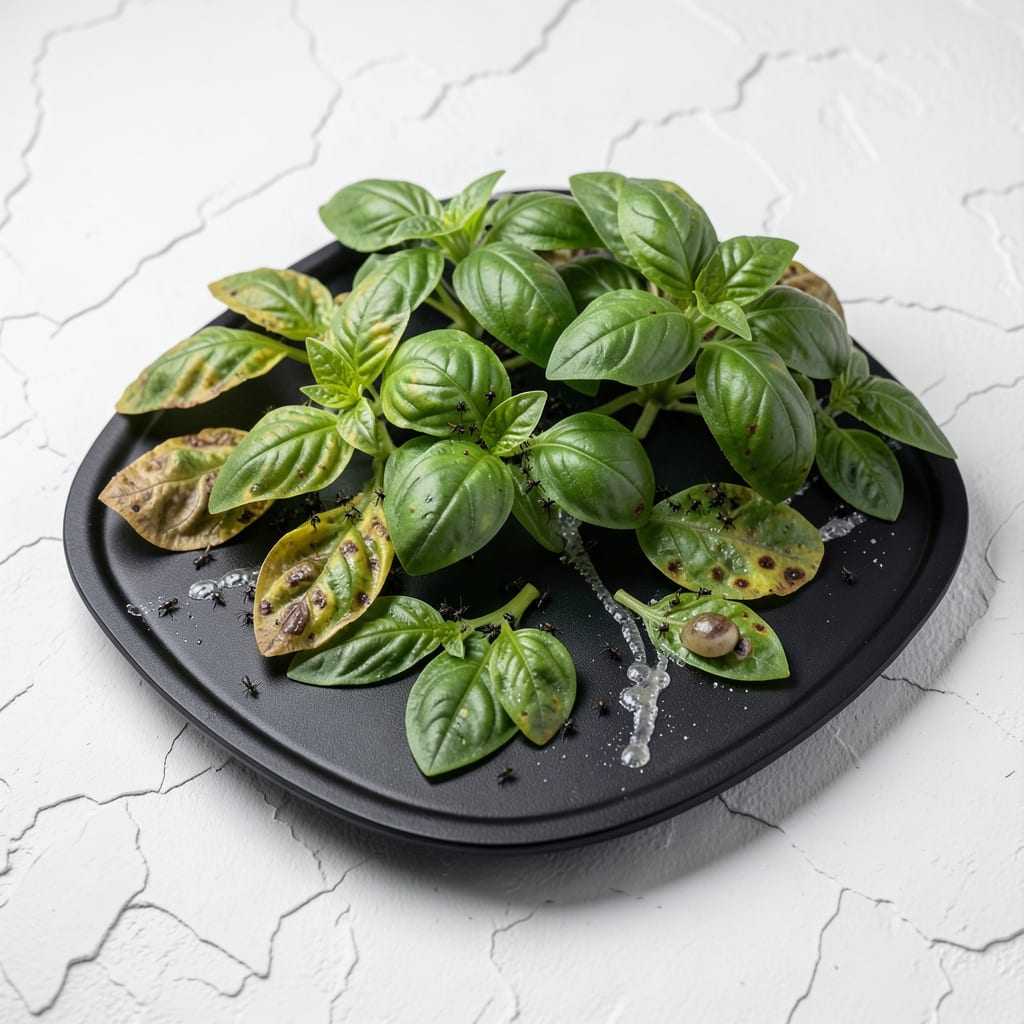
Nothing ruins basil faster than unseen threats. 🌱 I lost an entire windowsill crop to downy mildew before learning the early warning signs—yellowing leaves, black spots, or sudden wilting mean trouble.
Most problems start with overwatering or poor air circulation. Pests like aphids and whiteflies love stressed plants, while fungal diseases thrive in damp conditions. The good news? Organic solutions like neem oil and companion planting work better than harsh chemicals.
You’ll spot issues sooner with daily checks, especially under leaves where pests hide. Catching problems early means salvaging most of your crop with simple, natural fixes.
Prevention is the real game-changer. Proper spacing, morning watering, and good airflow keep basil healthy and resistant. Here’s how to protect your plants.
Basil is a hardy herb, but even the most resilient plants can fall prey to diseases and pests under certain conditions. Understanding the root causes helps prevent and manage these issues effectively.
Basil thrives in warm, stable conditions. Fluctuations in temperature or humidity can weaken the plant, making it more susceptible to fungal infections like downy mildew or fusarium wilt. Overly wet or dry conditions also stress basil, reducing its natural defenses.
Overwatering creates a breeding ground for root rot and fungal diseases, while underwatering can attract pests like spider mites that thrive on stressed plants. Always water at the base to avoid wetting the leaves, which can encourage fungal spores.
Basil requires well-draining, nutrient-rich soil. Poor soil quality or over-fertilization can lead to weak growth, making the plant vulnerable to pests such as aphids and whiteflies. A lack of essential nutrients like nitrogen can also stunt growth, further compromising its health.
Crowded or poorly spaced basil plants suffer from reduced airflow, which promotes the spread of fungal diseases. Proper spacing and pruning ensure good ventilation, reducing the risk of infections like powdery mildew.
When your basil starts showing signs of trouble, act fast with these targeted solutions to restore its health and vigor.
Prune affected leaves immediately and space plants at least 12 inches apart to boost air circulation. Water at the base in the morning so foliage stays dry. Prevention tip: 💡 Use sterile potting mix and rotate crops yearly to avoid soil-borne pathogens.
Spray plants with a strong jet of water to dislodge pests, or apply neem oil (1 tbsp per gallon of water) every 5–7 days. Introduce beneficial insects like ladybugs for long-term control. Prevention tip: 🌡️ Inspect new plants for pests before bringing them near your basil.
Mist leaves regularly or place a tray of water near plants to deter mites. For infestations, spray with insecticidal soap (1 tsp mild soap per liter of water) every 3 days until gone. Prevention tip: ✨ Keep basil well-hydrated—stressed plants attract mites.
Gently remove the plant, trim blackened roots, and repot in fresh, well-draining soil. Water only when the top inch of soil is dry. Prevention tip: 🎯 Use containers with drainage holes and avoid saucers that trap water.
Pluck beetles off by hand (drop them in soapy water) or apply kaolin clay spray to create a protective barrier. Prevention tip: 🔥 Cover plants with floating row covers during peak beetle season.
Consistency is key—check plants weekly and intervene at the first sign of trouble!
Check for yellowing leaves, black spots, or sudden wilting. Look under leaves for pests like aphids or whiteflies. Early detection saves most of your crop.
Ensure good airflow by spacing plants 12 inches apart. Water at the base in the morning so leaves stay dry. Use sterile potting mix.
Yes! Spray with neem oil (1 tablespoon per gallon of water) or insecticidal soap. Introduce ladybugs for aphid control.
Overwatering creates a breeding ground for root rot. Always allow the top 1 inch of soil to dry before watering again.
