
Beautiful Plants For Your Interior
Beautiful Plants For Your Interior
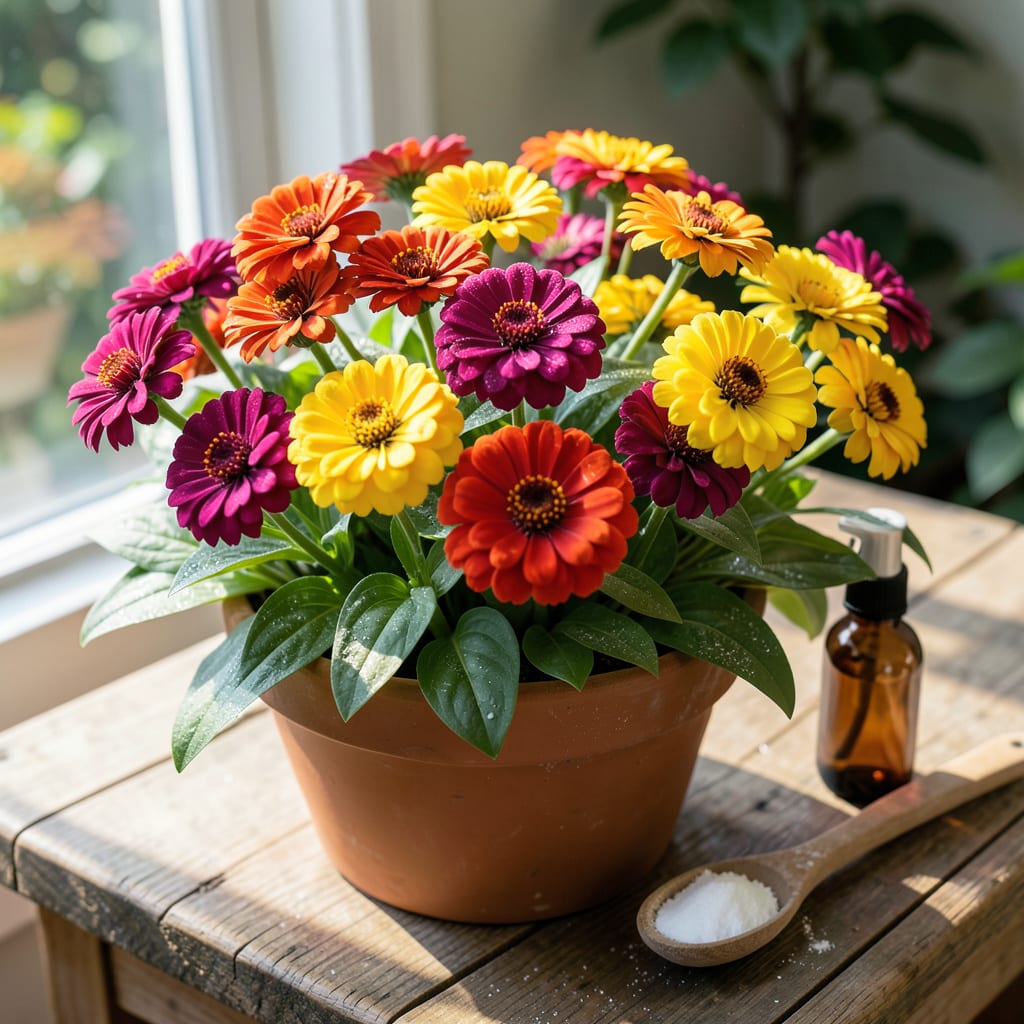
White powder on zinnia leaves ruins the show fast. I lost half my summer blooms to this last year before figuring out the simple fixes that actually work.
The issue starts with poor air circulation and wet foliage—zinnias packed too tight or watered overhead create perfect conditions. Natural sprays like baking soda or neem oil stop the spread without harsh chemicals.
Within 48 hours of treatment, you’ll see the white coating fade. The plants bounce back with vibrant color and stronger growth, and the solution keeps working through the season.
Works for all zinnia varieties, from dwarf to giant. No special tools required, just consistent attention to how and when you water.
Powdery mildew on zinnias is a common fungal issue, but understanding its root causes can help you prevent and manage it effectively.
Powdery mildew thrives in environments with high humidity (60-80%) and stagnant air. Zinnias planted too closely together or in shaded, poorly ventilated areas are prime targets. The fungus Podosphaera xanthii (a common culprit for zinnias) spores germinate and spread rapidly when moisture lingers on leaves, especially in warm (68–86°F) but not rainy conditions.
Watering zinnias from above leaves foliage damp for extended periods, creating an ideal breeding ground for spores. Unlike some fungal diseases that need free water to infect, powdery mildew can develop with just high relative humidity—but wet leaves accelerate the process.
Zinnias under stress—whether from drought, nutrient imbalances (especially excess nitrogen), or sudden temperature swings—are more susceptible. Over-fertilizing with nitrogen promotes lush, soft growth that’s easier for the fungus to penetrate.
Some zinnia cultivars, particularly those with dense foliage or large, tightly packed petals (e.g., Zinnia elegans ‘Benary’s Giant’), trap moisture and restrict airflow. Older leaves are often the first to show symptoms, as their cuticles thicken with age, retaining moisture.
Addressing these factors—improving airflow, watering at the base, and choosing resistant varieties—can significantly reduce outbreaks.
Powdery mildew on zinnias can be frustrating, but these targeted solutions will help you restore your plants to full health. Address the issue early for best results.
Trim overcrowded foliage to allow air to flow freely between plants. Space zinnias at least 12–18 inches apart to reduce humidity buildup. If growing in containers, ensure they’re not packed too tightly together.
Prevention tip: 💡 Prune regularly and stake tall varieties to keep leaves off the ground.
Water zinnias at the base of the plant using a soaker hose or drip irrigation to keep leaves dry. Avoid watering in the evening—morning is best so foliage dries quickly in the sun.
Prevention tip: 💡 Use a watering wand with a long spout to direct water to the soil, not the leaves.
Powdery mildew thrives in humid conditions. Thin out dense plantings, and if possible, move potted zinnias to a sunnier, breezier spot. A small fan on low can improve airflow in greenhouses or indoor setups.
Prevention tip: 🌬️ Mulch with straw or gravel to minimize soil splash, which can spread spores.
For active infections, spray leaves with a mix of 1 tablespoon baking soda, 1 teaspoon dish soap, and 1 gallon of water. Reapply every 7–10 days. Neem oil (mixed per label instructions) is another effective organic option.
Prevention tip: ✨ Remove and destroy heavily infected leaves or plants to prevent spores from spreading.
Healthy zinnias resist disease better. Feed them with a balanced fertilizer (10-10-10) and ensure they get full sun (6+ hours daily). Avoid over-fertilizing with nitrogen, which promotes lush, mildew-prone growth.
Prevention tip: 🎯 Choose mildew-resistant zinnia varieties like ‘Profusion’ or ‘Zahara’ for future plantings.
Yes, a 1:3 vinegar-to-water solution can help, but test on a few leaves first as it may harm some plants. Apply in the morning to avoid leaf burn.
Use the baking soda mixture every 7–10 days or after rain. Consistency is key to stopping spores from spreading.
Yes, powdery mildew can spread to nearby susceptible plants. Isolate infected zinnias and treat all at-risk plants preventively.
No, composting may not kill the spores. Burn or bag infected leaves to prevent reinfection next season.
