
Beautiful Plants For Your Interior
Beautiful Plants For Your Interior
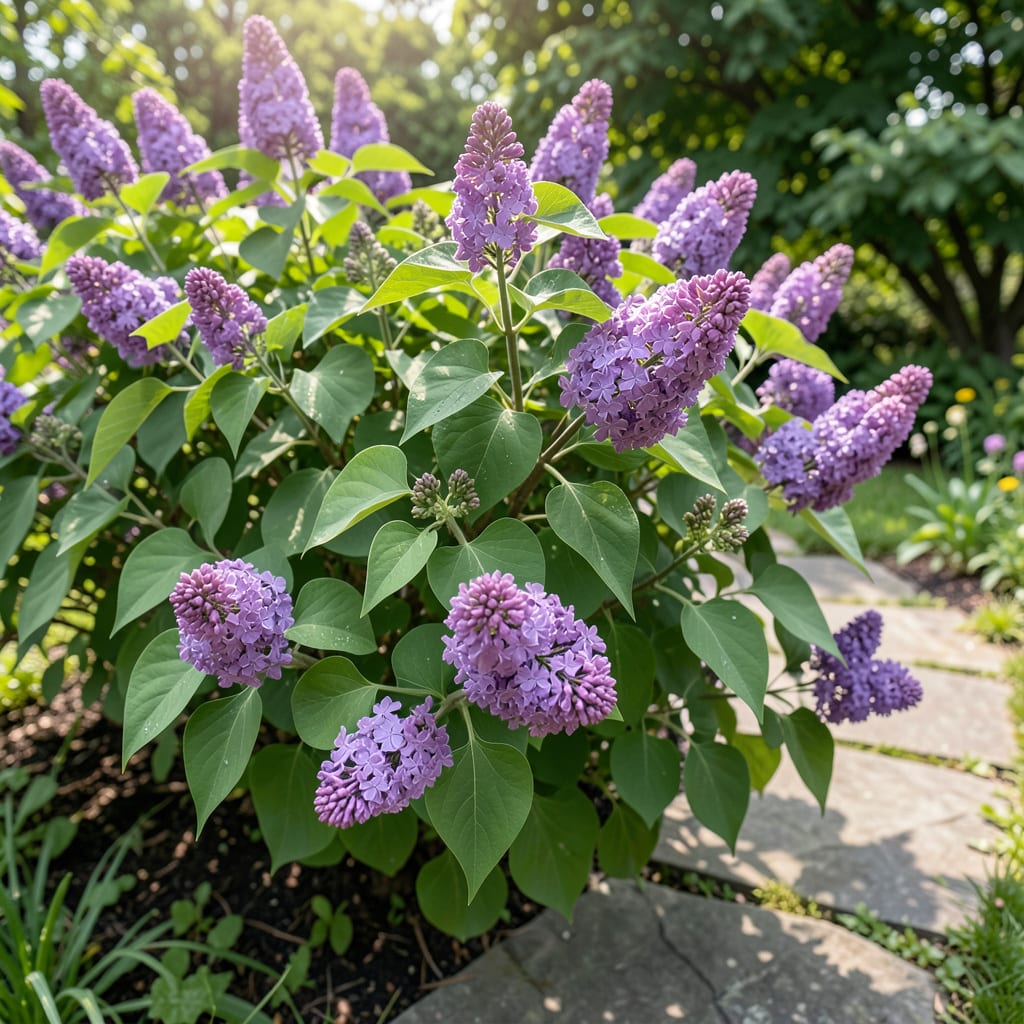
Those curled leaves on your lilac aren’t just unsightly—they’re a distress signal. I’ve seen this exact problem wipe out entire bushes when ignored, but caught early, it’s completely fixable.
First, we need to play detective. The culprit could be aphids sucking sap, fungal infections spreading silently, or even your own watering habits causing stress. Each leaves different clues if you know where to look.
You’ll learn to spot the difference between pest damage and disease, then take targeted action. Most solutions require just a few minutes and basic supplies you already own.
We’ll cover prevention too, so next season starts strong. No more guessing what’s wrong with your lilacs.
Curled leaves on your lilac bush are often a sign of underlying stress. Here are the most likely causes, each with a distinct mechanism:
Pseudomonas syringae bacteria infect leaves through wounds or wet surfaces, disrupting cell function. The bacteria produce toxins that cause localized tissue death, leading to curling as the plant attempts to contain the damage. Look for dark, water-soaked spots with yellow halos.
Fungi like Cercospora or Powdery Mildew thrive in humid conditions. They penetrate leaf tissues, forming colonies that block stomata (pores). This reduces transpiration, causing leaves to curl upward to conserve moisture. White or purple fungal growth is a telltale sign.
Aphids, mites, and lilac leaf miners suck sap or lay eggs inside leaves. Aphids inject salivary enzymes that distort growth, while miners create tunnels, disrupting water transport. Curling often appears alongside visible insects, webbing, or chewed edges.
Drought, heat, or herbicide drift can cause physiological curling. Lilacs curl leaves to reduce surface area exposed to harsh conditions. Unlike disease, this curling is uniform and lacks spots or pests. Overwatering can also suffocate roots, leading to similar symptoms.
Addressing curled leaves on your lilac bush starts with identifying the cause. Below are targeted solutions for common issues, along with prevention tips to keep your plant thriving.
Fix: Reduce watering and ensure the soil drains well. Lilacs prefer slightly dry conditions over soggy roots. If the soil is waterlogged, amend it with organic matter like compost to improve drainage.
Prevention: Water only when the top 1-2 inches of soil are dry. Use mulch to retain moisture without suffocating the roots. 💡 Pro tip: Plant lilacs in raised beds if your garden has heavy clay soil.
Fix: Blast pests off with a strong stream of water or apply insecticidal soap or neem oil. For severe infestations, use horticultural oil, but avoid applying during extreme heat.
Prevention: Encourage beneficial insects like ladybugs by planting companion flowers (e.g., marigolds or yarrow). Inspect leaves regularly for early signs of pests.
Fix: Remove and destroy infected leaves to prevent spread. Apply a fungicide like copper sulfate or sulfur, following label instructions. Prune to improve air circulation.
Prevention: Space plants properly to reduce humidity around leaves. Water at the base to keep foliage dry, and clean up fallen debris in autumn. ✨ Pro tip: Choose disease-resistant lilac varieties like Syringa vulgaris ‘Sensation’.
Fix: Deep-water stressed plants early in the morning to help them recover. Provide temporary shade during heatwaves using shade cloth.
Prevention: Mulch around the base to retain soil moisture and regulate temperature. Plant in a location with afternoon shade if you live in a hot climate.
Fix: Test your soil and amend it based on the results. Lilacs thrive in slightly alkaline soil (pH 6.5–7.5). Add lime to raise pH or sulfur to lower it. Fertilize with a balanced, slow-release product in early spring.
Prevention: Feed lilacs annually with compost or a low-nitrogen fertilizer. Avoid over-fertilizing, which can lead to weak growth.
Yes, if the cause is temporary like drought stress. Once you water deeply and improve conditions, new growth should appear normal. Severely damaged leaves may not uncurl, but the plant can recover.
Check for visible insects, webbing, or sticky residue (pests). Fungal issues often show powdery coatings or colored spots. Bacterial problems cause water-soaked spots with yellow edges.
Yes, removing affected leaves prevents spread of disease. For pests, prune heavily infested branches. Always sterilize pruners between cuts with rubbing alcohol.
