
Beautiful Plants For Your Interior
Beautiful Plants For Your Interior
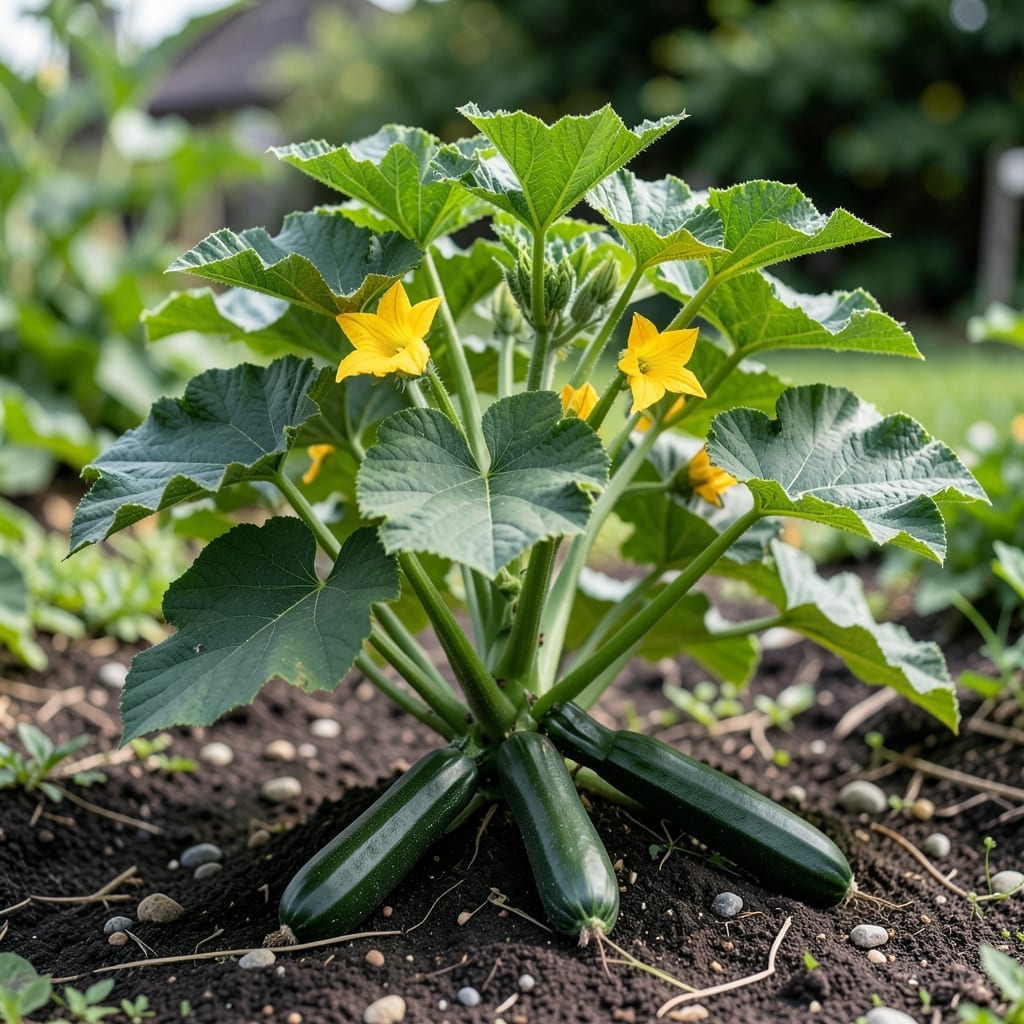
Yellow leaves and mushy stems are your first warning. I’ve seen healthy zucchini plants turn to mush in 48 hours after too much water, and the damage starts below the surface before you notice anything above ground.
The leaves go pale yellow, then wilt like they’re thirsty—even though the soil is soaked. Stems soften and darken at the base, and if you dig down, you’ll find black, smelly roots. It’s counterintuitive, but overwatering looks a lot like drought stress.
Here’s the thing—zucchini roots need air as much as water. Soggy soil suffocates them, and once rot sets in, recovery gets tough. The good news is, if you catch it early, plants often bounce back within a week.
Works for container and in-ground plants alike. Here’s how to spot it and fix it before it’s too late.
Overwatering zucchini plants often stems from a few key missteps in care. Understanding these causes can help you prevent the issue and keep your plants thriving. Below are the most common reasons why overwatering happens, along with clear explanations.
Zucchini plants need consistent moisture, but too much water too often can drown the roots. The soil should be kept evenly moist, not soggy. Overwatering disrupts the balance of air and water in the soil, leading to oxygen deprivation for the roots. This stress manifests as yellowing leaves, wilting, and stunted growth.
Soil that doesn’t drain well traps water around the roots, creating a suffocating environment. Heavy clay soils or containers without drainage holes are common culprits. When water pools, it prevents the roots from absorbing oxygen, causing root rot and nutrient uptake issues. Always ensure your zucchini is planted in well-draining soil or containers with adequate drainage.
Watering from above can lead to excessive moisture on the leaves and stems, promoting fungal diseases like powdery mildew. Additionally, it makes it harder to gauge how much water the soil is actually absorbing. Direct water at the base of the plant to ensure the roots receive moisture without overwhelming the foliage.
Rainy or humid weather naturally increases soil moisture. If you’re watering on a fixed schedule without accounting for rainfall or humidity, you risk overwatering. Adjust your watering routine based on the weather—check soil moisture by sticking your finger an inch into the soil. If it feels damp, hold off on watering.
Once you’ve spotted the telltale signs—yellowing leaves, wilting, or mushy stems—act fast to give your zucchini a fighting chance. Here’s how to tackle each issue, step by step.
If your plant is drowning, stop watering immediately and let the soil dry out. Stick your finger 2 inches into the soil—if it feels damp, wait. Resume watering only when the top 1-2 inches are dry. Switch to deep, infrequent watering (1-2 times a week) instead of daily light spritzes. Use a moisture meter for precision if you’re unsure.
Soggy roots need air! If your zucchini sits in heavy clay or compacted soil, loosen the top 6-8 inches with a garden fork to boost aeration. Mix in compost, perlite, or coarse sand to improve drainage. For container plants, ensure pots have drainage holes and use a well-draining potting mix.
Pro tip 💡: Raise beds or containers slightly off the ground to prevent waterlogging after rain.
Trim severely yellowed or mushy leaves with clean shears to redirect energy to healthy growth. If stems are weak, stake them gently to prevent collapse. Avoid overhead watering to reduce fungal risks—drip irrigation or a soaker hose targets the roots without wetting foliage.
With these fixes, your zucchini should bounce back in 1-2 weeks. Stay consistent, and you’ll be harvesting fresh, crisp zucchinis in no time! 🌱✨
Look for pale yellow leaves that wilt despite wet soil. The stems may appear soft or mushy, especially at the base. If you notice a foul smell from the soil, root rot may have already set in.
Too much water suffocates the roots, preventing them from absorbing oxygen and nutrients. This stress causes chlorophyll to break down, leading to yellowing leaves. It mimics drought stress, which is why it’s confusing.
Yes, if caught early! Stop watering immediately and let the soil dry out. Trim damaged leaves and improve drainage. Most plants bounce back within 1-2 weeks with proper care.
Always water in the morning. This allows excess moisture to evaporate during the day, reducing the risk of fungal diseases. Evening watering can leave foliage damp overnight, encouraging mold growth.