
Beautiful Plants For Your Interior
Beautiful Plants For Your Interior
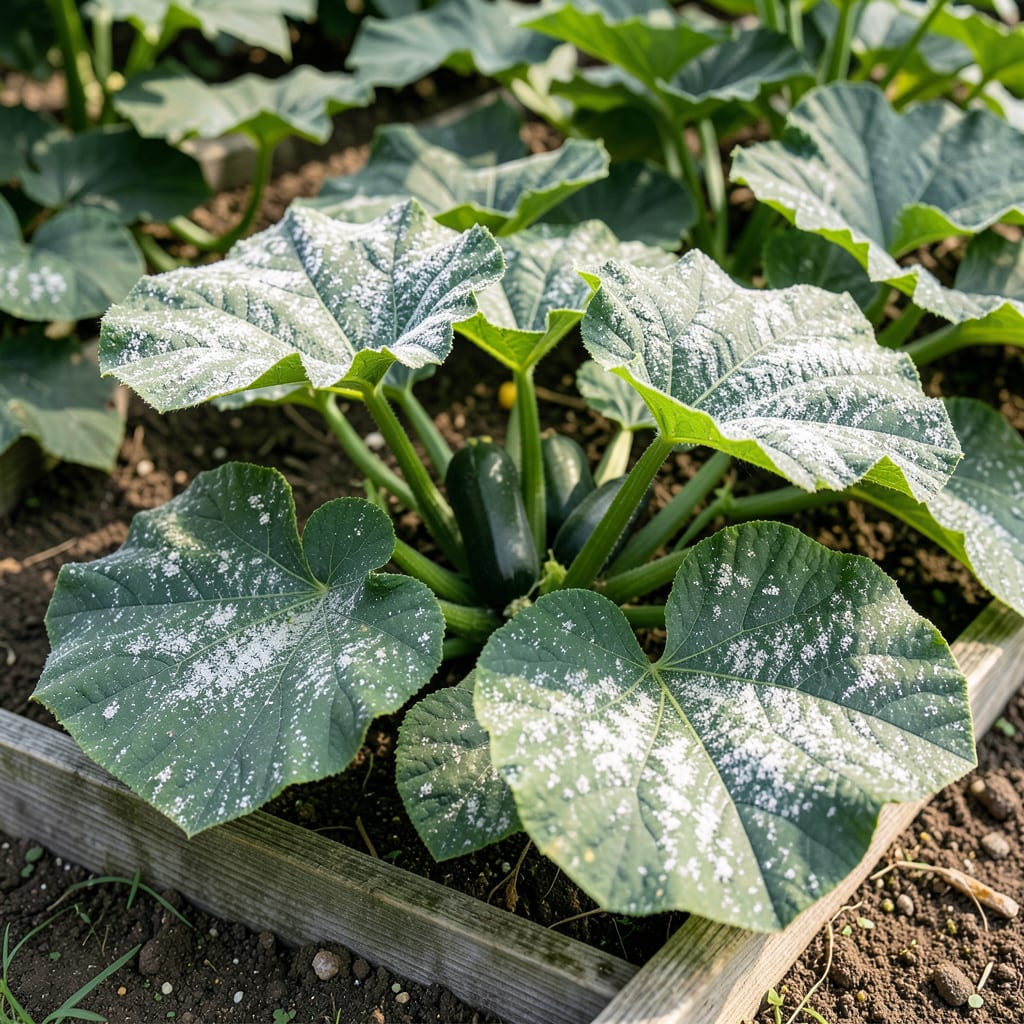
White dust on your zucchini leaves isn’t just unsightly—it’s stealing your harvest. I’ve lost entire plants to powdery mildew before learning these foolproof organic fixes that work in 48 hours. The key is acting fast before it spreads.
This fungus thrives in humid conditions with poor air circulation. My first attempt at treatment failed because I didn’t adjust watering habits. Now I know: water at the base, not the leaves, and space plants 2-3 feet apart for better airflow.
Within a week of using baking soda spray or neem oil, new growth emerges clean and vibrant green. The difference between treated and untreated plants is shocking—you’ll actually see the mildew disappear.
Prevention becomes second nature after you’ve dealt with it once. Simple changes in plant placement and morning watering keep my zucchini healthy all season without chemical sprays.
Powdery mildew thrives on zucchini leaves due to a mix of environmental conditions and plant vulnerabilities. Here’s why your garden might be under attack:
Erysiphe cichoracearum, the fungus behind powdery mildew, flourishes in 60–80°F (15–27°C) temperatures with 40–70% humidity. Unlike other fungi, it doesn’t need free water to germinate—just moist air. Crowded plantings or poor airflow trap humidity, creating a breeding ground.
Dense zucchini foliage or overcrowded beds restrict airflow, letting spores settle and multiply. Prune excess leaves and space plants 2–3 feet apart to disrupt the fungus’s lifecycle.
Some zucchini cultivars lack genetic resistance. Heirloom or older varieties are often more vulnerable. Opt for mildew-resistant hybrids (e.g., ‘Dunja’ or ‘Astia’) if your garden has a history of outbreaks.
Wetting leaves during irrigation gives spores a head start. Water at the base of plants early in the day so foliage dries quickly. Drip irrigation is ideal to keep leaves dry.
Pro tip: Avoid late-evening watering—damp leaves overnight are a fungal invitation. 🌙
Dealing with powdery mildew on zucchini leaves? Act fast to restore your plant’s health with these targeted solutions.
Crowded plants trap moisture, creating a breeding ground for mildew. Fix it: Thin out leaves to allow airflow, and space plants at least 2-3 feet apart. Prune affected foliage immediately to stop the spread. For extra protection, trim lower leaves to reduce humidity near the soil.
Overhead watering wets leaves, encouraging fungal growth. Fix it: Water at the base of the plant in the early morning, so foliage dries quickly. Use drip irrigation or a soaker hose for precise moisture delivery. Avoid evening watering, as cool temperatures slow evaporation.
Natural fungicides can halt mildew without harsh chemicals. Fix it: Spray leaves with a mix of 1 tablespoon baking soda, 1 teaspoon dish soap, and 1 gallon of water. Reapply every 7-10 days or after rain. Neem oil (mixed per label instructions) is another effective option—spray in the evening to avoid leaf burn.
Pro tip 💡: Test sprays on a small leaf area first to check for sensitivity.
Strong plants resist disease better. Fix it: Fertilize with a balanced organic formula to support growth, but avoid excess nitrogen, which promotes tender, mildew-prone foliage. Mulch with straw to keep soil moisture consistent and reduce splashing spores onto leaves.
Mildew spores overwinter in garden debris. Fix it: Remove and destroy (do not compost) infected leaves and stems. At season’s end, clear all plant debris from the garden to prevent recurrence next year.
Prevention is key ✨: Choose mildew-resistant zucchini varieties, rotate crops annually, and monitor leaves weekly for early signs of white, powdery spots.
High humidity and poor air circulation create the perfect environment. The fungus thrives in 60–80°F with damp air, especially when leaves stay wet overnight.
Yes, the fruit remains safe to eat if you wash it thoroughly. The mildew only affects leaves and stems, not the zucchini itself. Just remove and discard severely infected foliage.
Reapply every 7-10 days or after rain. Use 1 tablespoon baking soda and 1 teaspoon dish soap per gallon of water. Evening applications prevent leaf burn.
Neem oil helps but works best as early treatment. For heavy outbreaks, combine with improved airflow and removing infected leaves. Always follow label instructions.
