
Beautiful Plants For Your Interior
Beautiful Plants For Your Interior
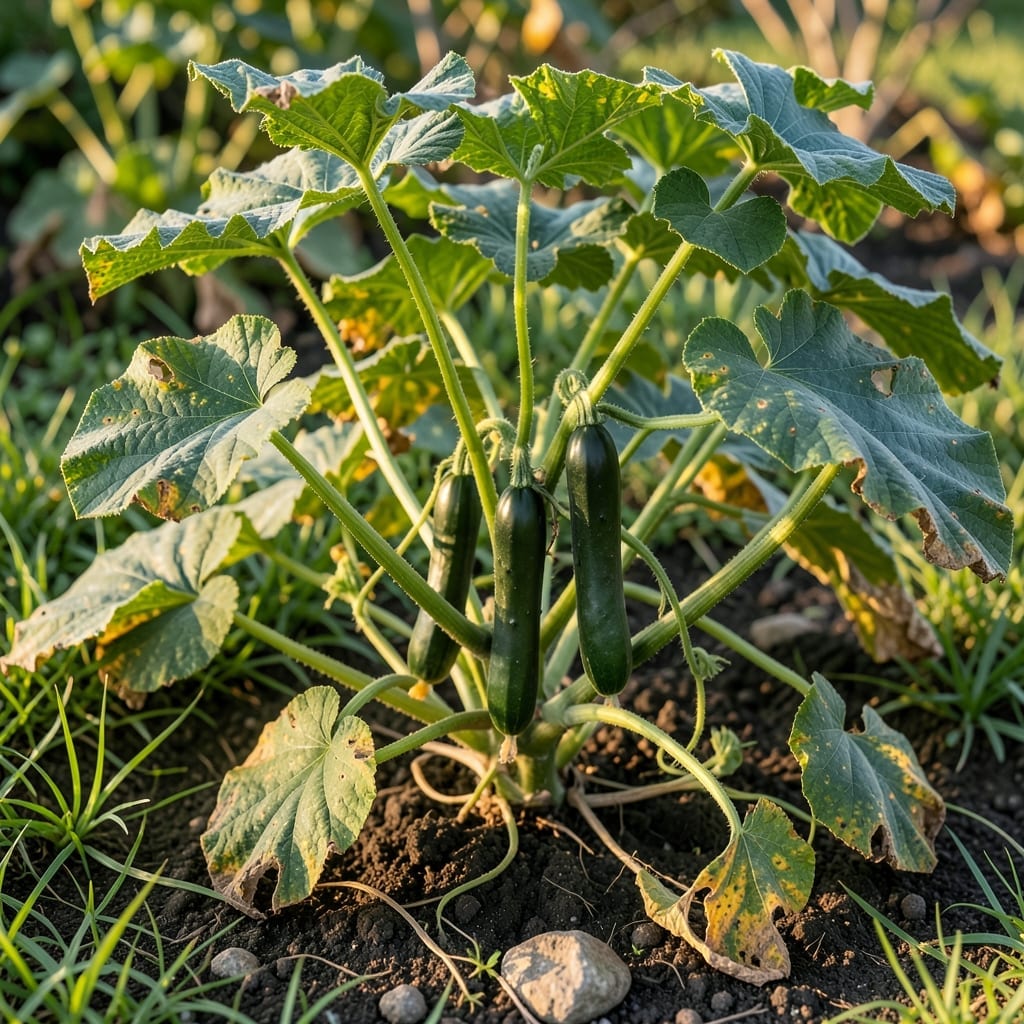
Yellow leaves with soft brown edges got me worried last season. Turns out, my cucumbers were drowning, not thirsty. Overwatering shows up as droopy leaves that turn yellow between the veins, with mushy brown spots that feel like wet paper.
Here’s the thing—cucumbers hate wet feet. The roots can’t breathe, so the plant stops taking up nutrients. I noticed the oldest leaves yellowing first, then the soft brown patches spreading outward. It looks worse than it is, if you catch it early.
Plot twist: it’s not always too much water. Poor drainage or heavy soil can cause the same symptoms. My raised beds fixed this overnight. Now I check the soil 2 inches down before watering.
Fair warning: don’t let the soil dry out completely after fixing it. Cucumbers bounce back fast with consistent moisture and good airflow.
Overwatering disrupts the natural balance of your cucumber plants, leading to visible stress in the leaves. Here’s why it occurs:
When soil stays soggy, oxygen is displaced in the root zone. Cucumber roots need air to respire, and without it, they drown. This triggers root rot, where pathogens like Phytophthora or Pythium thrive in waterlogged conditions, cutting off nutrient uptake. The first sign? Leaves turn yellow as chlorophyll breaks down due to stress.
Overwatering leaches essential nutrients (nitrogen, magnesium, iron) from the soil, leaving cucumbers malnourished. Yellowing leaves (chlorosis) often appear between veins because these nutrients are critical for photosynthesis. Additionally, excess water dilutes soil minerals, making them unavailable to the plant even if present.
Excess moisture creates a humid microclimate around leaves and stems, inviting fungal diseases like powdery mildew or downy mildew. These pathogens block sunlight absorption, causing soft brown spots on leaves. Bacterial leaf spot (Pseudomonas syringae) also spreads rapidly in wet conditions, leading to water-soaked lesions.
Cool, damp environments slow evaporation, prolonging leaf wetness. Cucumbers prefer warm, well-ventilated conditions, and when combined with overwatering, high humidity accelerates decay. Leaves may develop edema—blisters that turn into brown, corky spots—as cells burst from excess water pressure.
Overwatered cucumber leaves can bounce back with the right care. Here’s how to tackle the most common causes and restore plant health:
If your cucumbers are drowning, stop watering and let the soil dry out. For severe cases, gently remove the plant from the soil, inspect the roots for rot (mushy, dark roots), and trim any damaged sections with clean shears. Repot in fresh, well-draining soil. Prevention tip: Always use containers with drainage holes or amend garden beds with compost to improve drainage.
Cucumbers thrive on consistent moisture, not excess. Water deeply once or twice a week—more if the weather is hot and dry. Stick your finger 1-2 inches into the soil; if it feels dry, it’s time to water. Pro tip 💡: Water at the base of the plant in the morning to reduce evaporation and prevent fungal growth.
Stagnant air traps moisture around leaves, leading to yellowing and brown spots. Thin out crowded plants to allow airflow, and space cucumbers at least 12-18 inches apart. If growing in a greenhouse or indoor setup, use a small fan to keep air moving. Prevention tip: Prune lower leaves to enhance ventilation and reduce humidity buildup.
Overwatering often invites fungal diseases like powdery mildew or leaf spot. Remove affected leaves immediately and treat the plant with a copper-based fungicide or a homemade mix of 1 tsp baking soda per quart of water, sprayed weekly. Prevention tip: Avoid overhead watering to keep leaves dry.
Yellowing between veins often signals nutrient deficiency caused by overwatering. The excess water leaches nitrogen and iron from the soil, making them unavailable to the plant. This creates a classic interveinal chlorosis pattern as the plant struggles to photosynthesize.
Yes, they can bounce back quickly if you act fast. Stop watering immediately and let the soil dry to a depth of 2 inches. Remove any mushy leaves and improve drainage. Most plants show improvement within 3-5 days.
Overwatered leaves feel soft and waterlogged, while diseased leaves often have dry, crispy edges or distinct spots. Overwatering affects older leaves first, while diseases like mildew appear as powdery white patches on leaf surfaces.