
Beautiful Plants For Your Interior
Beautiful Plants For Your Interior
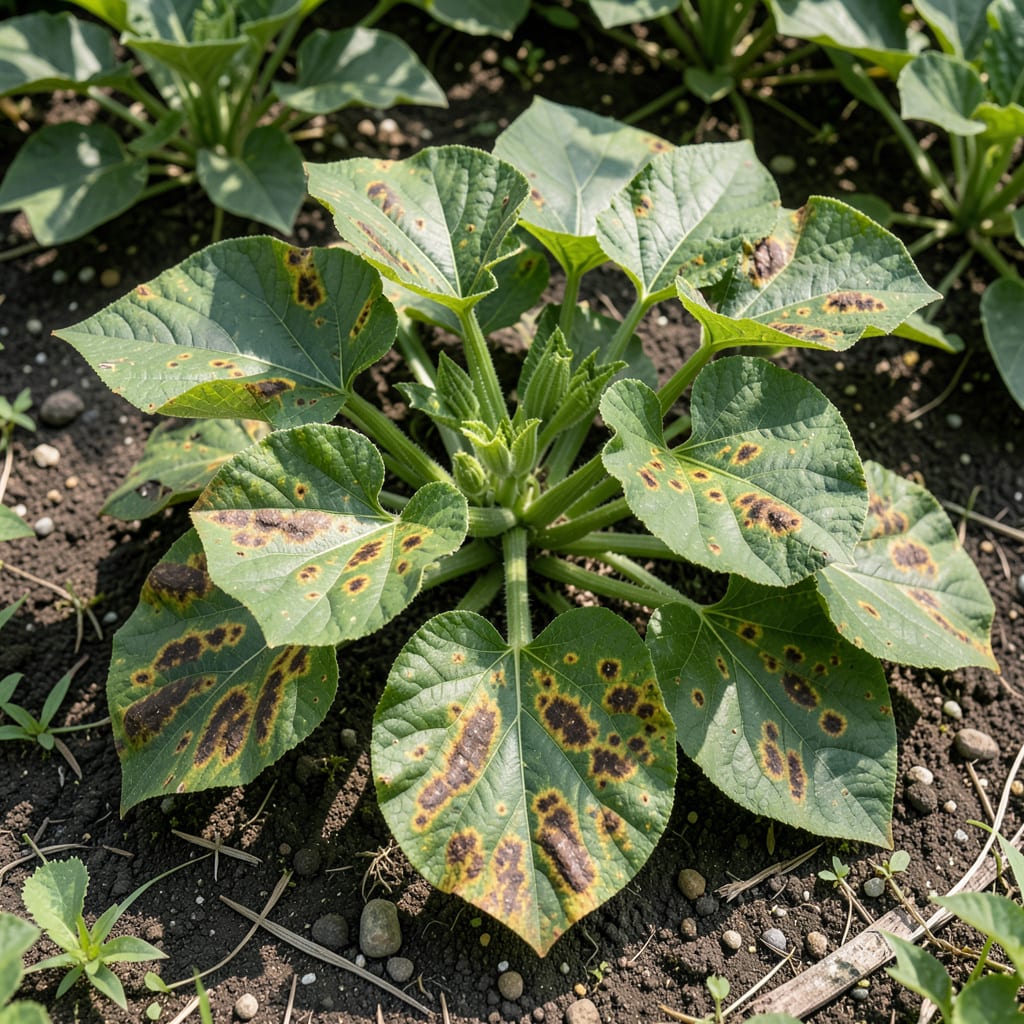
Those brown spots on your zucchini leaves aren’t just ugly—they’re a warning sign. I’ve lost entire plants to this before learning that early action saves the harvest.
The causes range from fungal infections to thirsty plants to pest damage. Each leaves a different pattern, and knowing the difference means the right fix. Most issues respond well to simple, targeted treatments.
With the right approach, your plants can bounce back within 1-2 weeks. You’ll see new growth staying green and productive, and existing leaves stopping the spread of damage.
Works for container gardens, raised beds, or in-ground plants. Here’s how to diagnose and treat it properly.
Brown spots on zucchini leaves often signal underlying issues that disrupt plant health. Here are the most common causes, explained with actionable insights:
Pathogens like Alternaria or Cercospora thrive in wet, humid conditions, producing circular brown lesions with yellow halos. Spores spread via water splash, so overhead irrigation worsens outbreaks. Improve airflow and avoid wetting foliage to curb growth.
Xanthomonas campestris bacteria create small, water-soaked spots that turn brown and crisp. These often ooze in wet weather. Remove infected leaves immediately and sanitize tools to prevent contamination. Copper-based sprays can suppress further spread.
Sap-sucking insects like spider mites or squash bugs pierce leaf tissues, causing stippling or necrotic spots. Check leaf undersides for webbing or eggs. Introduce beneficial insects (e.g., ladybugs) or apply neem oil for organic control.
Extreme heat, drought, or nutrient deficiencies (e.g., potassium) can trigger leaf scorch. Brown spots may appear dry and papery. Mulch to retain soil moisture and test soil pH (6.0–6.8) to ensure optimal nutrient uptake.
Herbicides or overly concentrated fertilizers can cause localized browning. Avoid drift from nearby applications and always dilute foliar sprays as directed. Rinse leaves with water if exposure occurs.
Removing brown spots on zucchini leaves starts with pinpointing the cause and applying the right fix. Below are the most common issues and their practical solutions, plus tips to keep your plants healthy long-term.
For powdery mildew or leaf blight, remove heavily infected leaves first. Then, spray the remaining foliage with a baking soda solution (1 tsp baking soda + 1 quart water + a drop of dish soap). Prevent recurrence by improving air circulation—space plants 2-3 feet apart and water at the base to keep leaves dry. Copper fungicides also work well for stubborn cases.
If aphids, spider mites, or cucumber beetles are the culprits, blast them off with a strong stream of water. For severe infestations, apply neem oil or insecticidal soap in the early morning or late evening. Prevent future attacks by introducing beneficial insects like ladybugs or using row covers early in the season.
Brown spots from sunburn or water stress? Shield plants with shade cloth during peak afternoon heat. Adjust watering to 1-2 inches per week, ensuring consistent moisture without waterlogging. Mulch around the base to retain soil moisture and regulate temperature.
A soil test can confirm if potassium or magnesium is lacking. Amend soil with compost or a balanced fertilizer (10-10-10). For quick fixes, use a foliar spray of Epsom salt (1 tbsp per gallon of water) for magnesium deficiencies. Prevent issues by enriching soil with organic matter before planting.
Pro tip: 💡 Always sterilize pruning tools between cuts to avoid spreading disease. Early intervention is key—inspect leaves weekly!
Fungal spots often appear as circular lesions with yellow halos. They spread quickly in wet conditions and may have a fuzzy texture underneath the leaf.
Yes, pruning infected leaves prevents the spread. Always sterilize your tools with rubbing alcohol between cuts to avoid contaminating healthy foliage.
Soggy soil leads to root stress, which can manifest as brown leaf spots. Ensure good drainage and water deeply but less frequently, about 1-2 inches per week.
A baking soda spray (1 tsp per quart of water) or neem oil can treat mild fungal or pest issues. Apply in the early morning for best results.
