
Beautiful Plants For Your Interior
Beautiful Plants For Your Interior
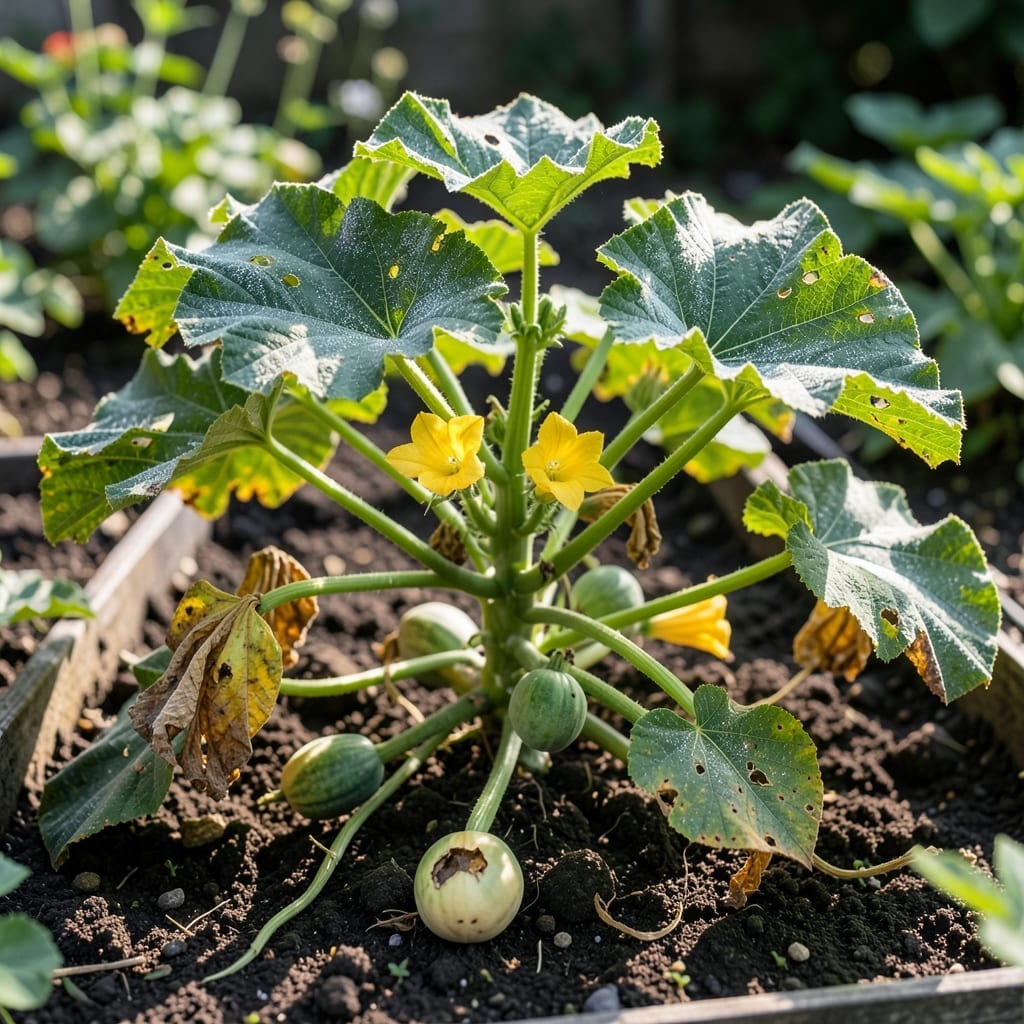
Squash plants can go from thriving to failing overnight. I’ve lost entire crops to vine borers and powdery mildew, but I’ve also brought them back with the right moves at the right time.
Most problems show early warning signs if you know what to look for. Yellow leaves, wilting vines, or holes in the fruit aren’t random—they’re symptoms with specific fixes. The key is acting before the damage spreads.
With organic methods, you can often reverse the damage without harsh chemicals. I’ve saved 80% of my plants using simple, targeted solutions that work with nature, not against it.
From pest control to disease prevention, here’s how to diagnose and treat the most common squash problems before they take over your garden.
Understanding why your squash plants are struggling starts with identifying the root causes. Here are the most common factors that can derail their growth:
Squash plants are heavy feeders, requiring nitrogen, phosphorus, and potassium in balanced amounts. A lack of nitrogen leads to stunted growth and yellowing leaves, while insufficient phosphorus causes poor fruit development. Potassium deficiencies often result in weak stems and increased susceptibility to disease. Over-fertilizing with nitrogen can also reduce fruiting, as the plant focuses on leafy growth instead.
Squash plants thrive on consistent moisture, but both overwatering and underwatering can cause stress. Overwatering leads to root rot and fungal diseases, while underwatering results in wilting and poor fruit formation. The soil should stay evenly moist but well-drained to prevent waterlogged roots.
Common pests like squash bugs, cucumber beetles, and aphids can wreak havoc on your plants. Squash bugs Pierce stems to suck sap, causing wilting, while cucumber beetles spread bacterial wilt. Aphids, though small, multiply rapidly and weaken plants by draining nutrients. These pests often target young plants, stunting their growth early on.
Humid conditions and poor air circulation create a breeding ground for powdery mildew, downy mildew, and bacterial leaf spot. Powdery mildew appears as white, powdery spots on leaves, reducing photosynthesis. Downy mildew causes yellowing and necrotic patches, while bacterial leaf spot leads to dark, water-soaked lesions. These diseases spread quickly, especially in crowded plantings.
Extreme temperatures, either too hot or too cold, can stress squash plants. Heatwaves may cause blossom drop, while cold snaps can stunt growth. Additionally, poor soil quality or improper pH levels (squash prefers slightly acidic to neutral soil, pH 6.0–7.0) can limit nutrient uptake, further weakening the plants.
When your squash plants show signs of trouble, quick and targeted action can save your harvest. Below are practical solutions for the most common issues, paired with prevention tips to keep your garden thriving.
Fix: For squash bugs or vine borers, handpick adults and eggs daily, dropping them into soapy water. Apply neem oil or kaolin clay as a barrier. For severe infestations, use pyrethrin spray at dusk.
Prevent: Rotate crops yearly, remove plant debris in fall, and use row covers early in the season to block pests. Plant companion herbs like basil or nasturtiums to deter insects. 💡
Fix: If leaves turn yellow due to nutrient deficiency, amend soil with compost or a balanced organic fertilizer (10-10-10). For overwatering, let soil dry slightly between waterings and improve drainage.
Prevent: Test soil before planting and add compost to ensure rich, well-draining soil. Water at the base of the plant to avoid wetting foliage. ✨
Fix: Spray affected leaves with a mix of 1 tsp baking soda + 1 quart water + a drop of dish soap. Remove heavily infected leaves and avoid overhead watering.
Prevent: Space plants 3–4 feet apart for airflow, water in the morning, and choose mildew-resistant varieties like ‘Dunja’ or ‘Buttercup’. 🌡️
Fix: Hand-pollinate by transferring pollen from male to female flowers using a paintbrush. Ensure bees visit by planting pollinator-friendly flowers nearby.
Prevent: Avoid excessive nitrogen (which promotes leafy growth over fruit) and plant in full sun (6–8 hours daily). 🎯
Yellow leaves often signal nutrient deficiency or overwatering. Test soil and adjust with compost or balanced fertilizer. Ensure drainage to prevent root rot.
Handpick bugs and eggs daily, dropping them in soapy water. Apply neem oil or kaolin clay as a barrier. Companion planting with basil helps deter them.
Lack of pollination is the main culprit. Hand-pollinate using a paintbrush or attract bees with pollinator-friendly flowers. Avoid excessive nitrogen.
Spray affected leaves with a baking soda solution. Remove heavily infected leaves and improve airflow. Water in the morning to prevent it.