
Beautiful Plants For Your Interior
Beautiful Plants For Your Interior
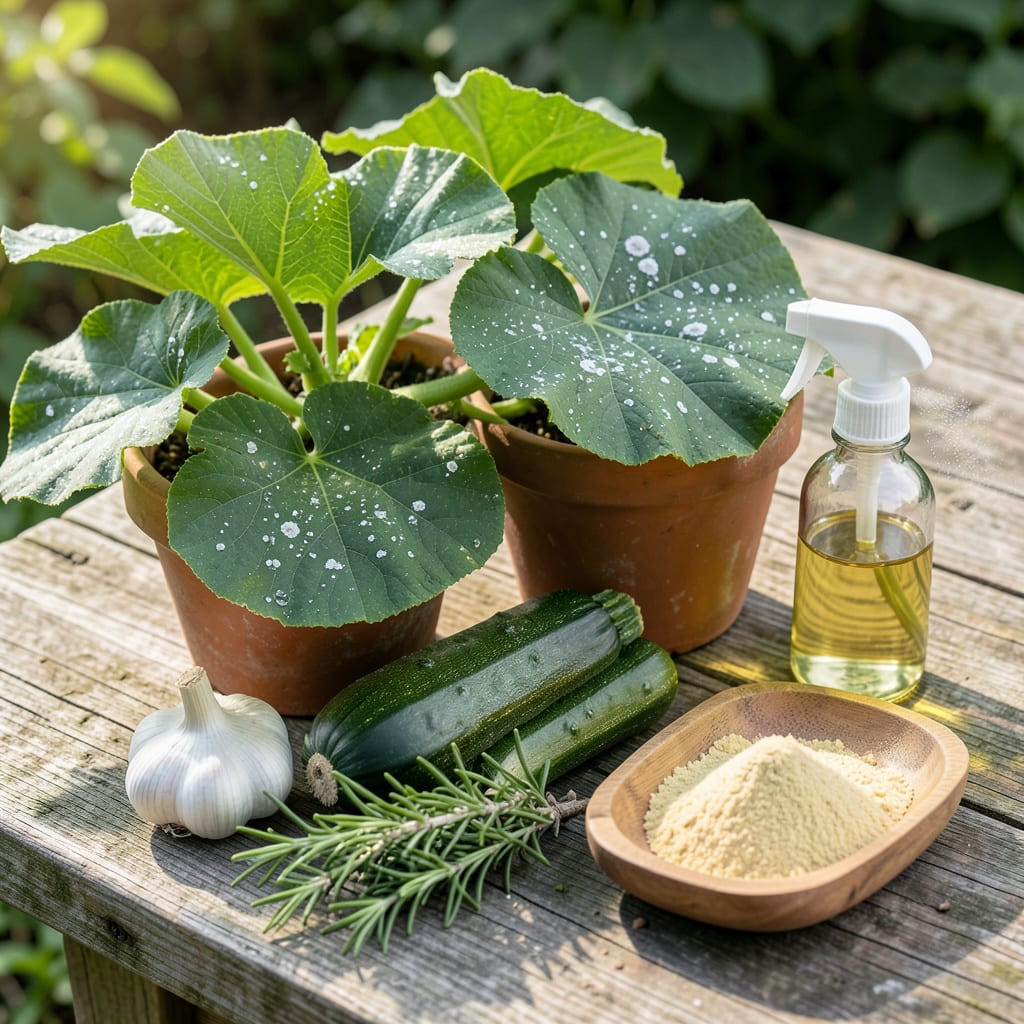
That white dust on your squash leaves isn’t just unsightly—it’s stealing your harvest. I lost half my zucchini crop to powdery mildew one summer before learning this fast fix.
Neem oil works because it disrupts the fungus at every stage—eggs, larvae, and adults. Unlike harsh chemicals, it won’t harm pollinators and washes off easily in rain. My plants show improvement within 48 hours of the first application.
Prevention is simpler than treatment. Space plants for airflow, water at the base, and avoid overhead sprinkling. A little vigilance saves you from the whole problem.
Works for pumpkins, cucumbers, and melons too. Here’s exactly how to mix and apply the solution.
Powdery mildew on squash plants isn’t just bad luck—it’s often the result of specific environmental and biological triggers. Understanding these causes helps you prevent outbreaks before they start. Here’s why your squash might be under attack:
The fungus Podosphaera xanthii, the primary culprit behind powdery mildew on squash, thrives in humid conditions (60-80% relative humidity) with stagnant air. When leaves stay damp for extended periods—especially in crowded plantings or shaded areas—spores germinate rapidly. Squash leaves with dense canopies trap moisture, creating a perfect breeding ground.
Watering from above wets the foliage, and if leaves don’t dry quickly, fungal spores take hold. Evening watering is particularly risky, as cooler nighttime temperatures slow evaporation. Drip irrigation or soaker hoses at the base of plants keep foliage dry and reduce disease pressure.
Some squash cultivars, like zucchini and pumpkin, are genetically more vulnerable to powdery mildew. If you’ve had recurring issues, the variety itself might be the problem. Opt for resistant hybrids (e.g., ‘Powdery Mildew Resistant’ labeled seeds) to stack the odds in your favor.
Plants stressed by excess nitrogen (promoting lush, soft growth) or low potassium/phosphorus are more susceptible. A balanced fertilizer (e.g., 5-10-10) and proper soil testing can strengthen plant defenses. Over-fertilizing with nitrogen is a common misstep that invites mildew.
Powdery mildew on squash plants is unsightly but treatable. Here’s how to fix it based on the root cause, along with prevention tips to keep your plants healthy.
Thick foliage traps moisture, creating a perfect environment for mildew. Thin out crowded leaves with clean pruners to improve airflow. Space plants at least 2–3 feet apart to reduce humidity buildup. Water at the base (not overhead) to keep leaves dry.
Squash plants need consistent moisture, but soggy soil or wet leaves invite mildew. Water early in the day so foliage dries by evening. Use drip irrigation or a soaker hose to deliver water directly to the roots. Mulch around plants to prevent soil splashing onto leaves.
Weak plants are more susceptible to disease. Apply a balanced fertilizer (like 10-10-10) to strengthen your squash. Avoid over-fertilizing with nitrogen, which promotes leafy growth (and more mildew-prone foliage). Add compost to improve soil health and resilience.
At the first sign of white powdery spots, remove infected leaves and dispose of them in the trash (not compost). For mild cases, spray with a neem oil solution (1 tbsp neem oil + 1 tsp dish soap + 1 gallon water) every 7–10 days. For severe outbreaks, use a baking soda spray (1 tbsp baking soda + 1 quart water + a few drops of soap) as a fungicide.
Prevention Tip: 💡 Rotate crops yearly to avoid fungal buildup in the soil, and choose mildew-resistant squash varieties like ‘Powdery Mildew Resistant Zucchini’ for future plantings.
Mix 2 tablespoons of white vinegar with 1 gallon of water and spray on leaves. The acidity helps kill spores, but test on a small area first as it may cause leaf burn. Reapply every 5-7 days as needed.
Yes, powdery mildew spores travel easily by wind. Isolate affected plants and avoid handling them when wet to prevent spreading. Remove fallen leaves immediately to break the cycle.
Check leaves every 2-3 days during humid weather, especially the undersides. Early detection means easier treatment. Morning inspections are best as dew makes symptoms more visible.
Yes, the fruit itself remains safe to eat. Wash it thoroughly before consuming. However, severe infections may reduce yield, so treat promptly to protect your harvest.
