
Beautiful Plants For Your Interior
Beautiful Plants For Your Interior
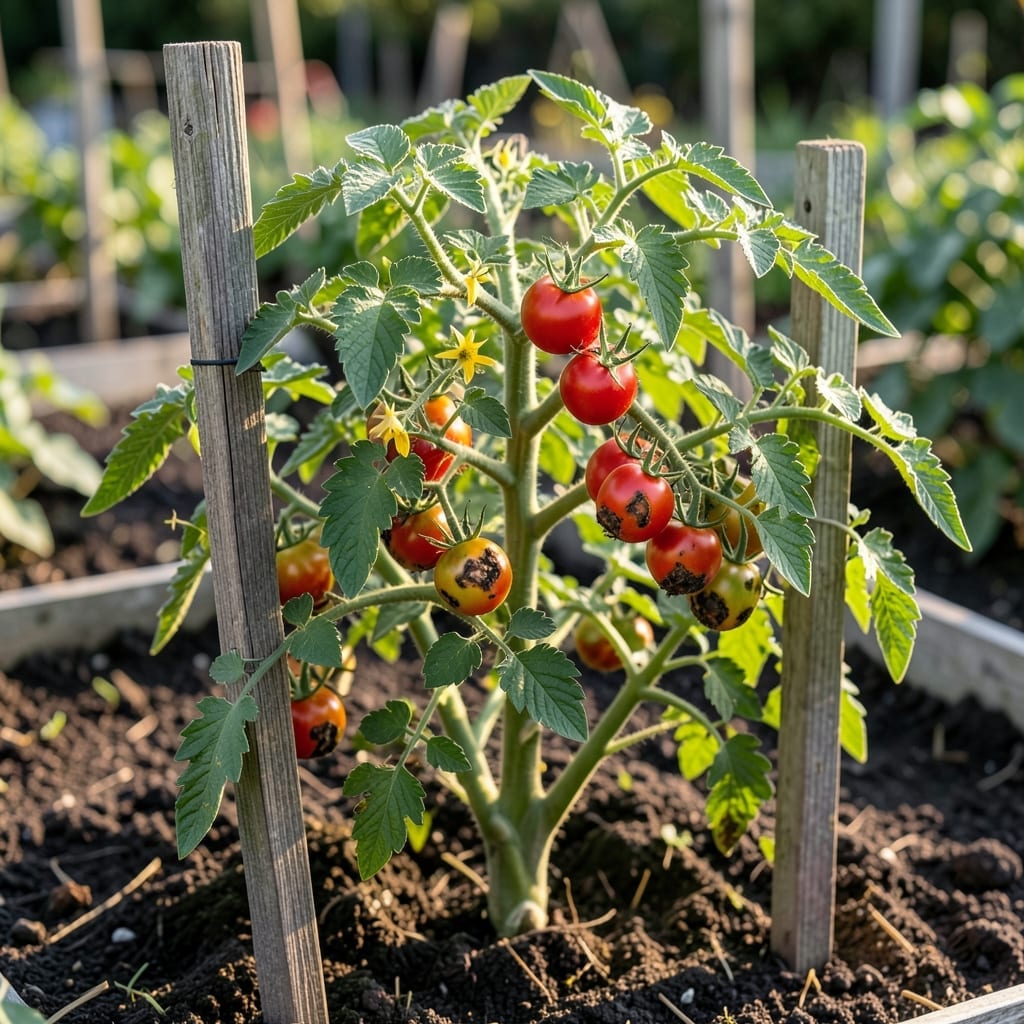
Nothing stings like watching perfect tomatoes turn to mush before you can pick them.
I lost half my harvest to vine rot last summer until I figured out the pattern. Usually it’s inconsistent watering, calcium deficiency, or fungal issues taking advantage of stressed plants. The good news? Most causes have simple fixes once you know what to look for.
You can salvage this year’s crop with a few adjustments to your watering schedule, soil amendments, and plant spacing. The key is acting fast—once rot starts, it spreads quickly through the vine.
Works for garden beds, containers, and any tomato variety you’re growing. Here’s how to stop the rot in its tracks.
Several factors can lead to tomatoes rotting on the vine, often tied to environmental, biological, or cultural issues. Understanding these causes helps prevent crop loss and ensures healthy harvests.
This common issue occurs due to calcium deficiency in the developing fruit, often triggered by uneven soil moisture. When roots can’t absorb enough calcium—either because the soil lacks it or water stress disrupts uptake—the tomato’s blossom end turns black and leathery. Fix it by maintaining consistent watering and adding calcium-rich amendments like gypsum or crushed eggshells.
Pathogens like Early Blight (Alternaria solani) or Late Blight (Phytophthora infestans) thrive in wet, humid conditions, causing dark, sunken lesions on fruit and foliage. Poor air circulation and overhead watering exacerbate the problem. Prevent spread by removing infected plants, improving spacing, and applying copper-based fungicides preventatively.
Extreme heat (above 90°F) or cold (below 50°F) disrupts pollen viability and fruit development, leading to rot or poor set. Heat stress can also cause sunscald, where exposed fruit develops white, blistered patches that later rot. Mitigate risks by using shade cloth during heatwaves and row covers for unexpected cold snaps.
Soggy soil suffocates roots, promoting root rot (e.g., Phytophthora or Fusarium wilts) and secondary infections. Symptoms include yellowing leaves, wilting, and fruit rot. Action step: Ensure well-draining soil, use raised beds if needed, and water at the base—never overhead—to keep foliage dry.
Excess nitrogen encourages lush foliage at the expense of fruit, while potassium or phosphorus deficiencies weaken plants, making them susceptible to rot. Test soil annually and amend with a balanced fertilizer (e.g., 10-10-10) or organic options like compost tea.
Here’s how to tackle the most common causes of tomatoes rotting on the vine with actionable fixes and prevention tips.
Fix: Reduce watering frequency and ensure your soil drains well. If the soil is soggy, hold off on watering until the top inch feels dry. For potted plants, ensure containers have drainage holes.
Prevent: Use a drip irrigation system to deliver water directly to the roots and avoid wetting the foliage. Mulch around the base to retain moisture without waterlogging.
Fix: Remove infected fruits and leaves immediately to prevent spread. Apply a copper-based fungicide or a homemade spray of baking soda and water (1 tbsp baking soda + 1 gallon water + a few drops of dish soap).
Prevent: Space plants properly for airflow, and avoid overhead watering. Rotate crops yearly to reduce disease buildup in the soil.
Fix: Inspect plants for pests like hornworms or aphids. Handpick larger pests or spray with neem oil or insecticidal soap for smaller ones.
Prevent: Encourage beneficial insects like ladybugs and lacewings by planting companion flowers such as marigolds or basil. Use row covers early in the season to keep pests out.
Fix: Provide shade cloth during heatwaves to protect plants from sunscald. Use frost blankets if unexpected cold snaps are forecasted.
Prevent: Plant heat-tolerant tomato varieties if you live in a hot climate. Start seeds indoors or use transplants to avoid early-season cold damage.
Fix: Test your soil and amend with compost or a balanced fertilizer (10-10-10). For calcium deficiencies (blossom end rot), add crushed eggshells or a calcium-rich supplement to the soil.
Prevent: Feed plants regularly with organic matter and monitor leaf color for signs of deficiencies (e.g., yellowing leaves for nitrogen deficiency).
Blossom end rot creates dark, leathery patches at the fruit’s bottom. Fungal issues show as sunken, watery spots anywhere on the fruit or leaves.
Yes, immediately remove any rotting fruit and dispose of it far from your garden. This prevents spores or bacteria from infecting healthy plants.
Even good soil can’t handle constant saturation. Water only when the top 1-2 inches of soil feel dry to prevent root stress.
Mix 1 tablespoon of calcium chloride in 1 gallon of water and apply as a foliar spray. Eggshells work too but take weeks to break down.