
Beautiful Plants For Your Interior
Beautiful Plants For Your Interior
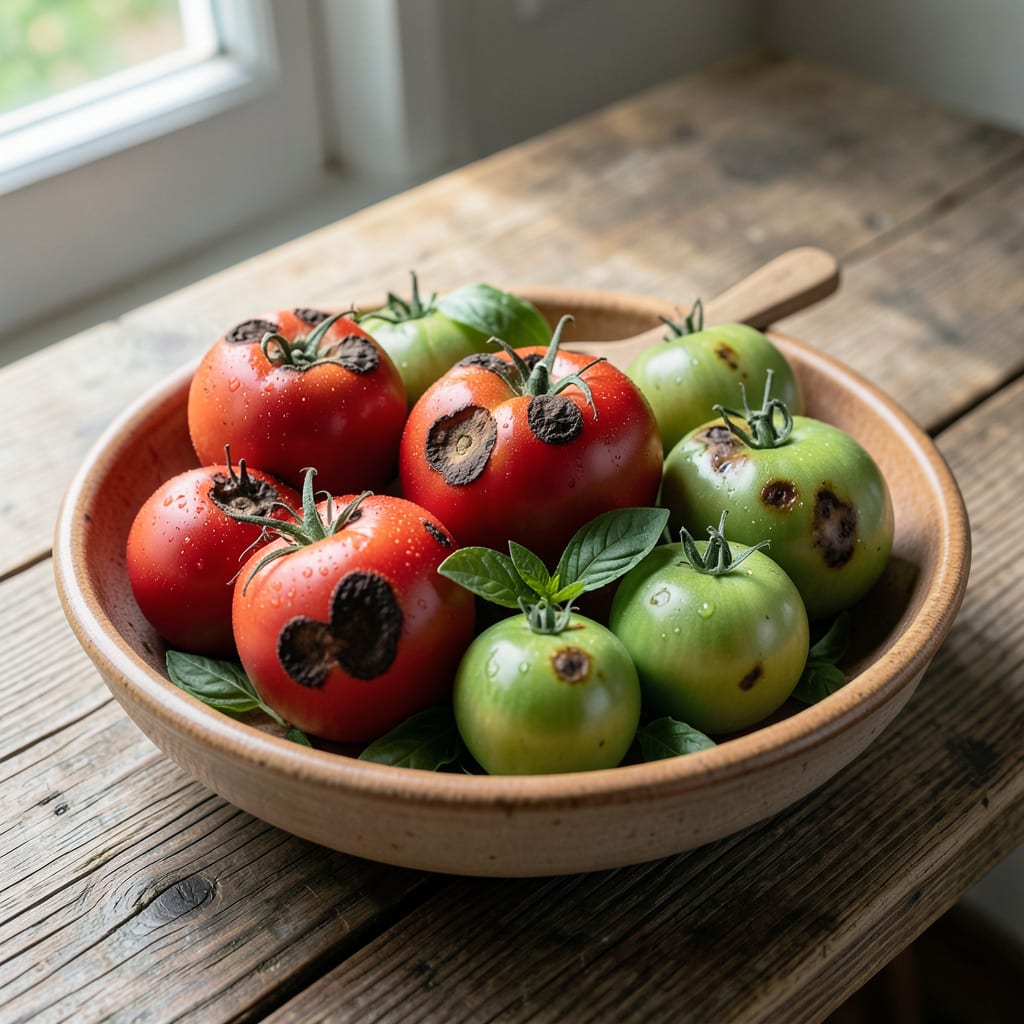
That sunken, black spot on your tomatoes isn’t rot—it’s a calcium deficiency screaming for help. I’ve lost entire crops to this before finally cracking the code on what’s really happening at the root level.
Blossom end rot hits when plants can’t pull enough calcium from the soil, usually because of uneven watering or pH imbalances. The fix isn’t complicated—just consistent moisture and a few simple amendments to get your soil back on track.
You’ll see the first healthy fruits within 2-3 weeks of making these adjustments. No more tossing half-rotten tomatoes in the compost pile while wondering what went wrong.
Works for container gardens, raised beds, and in-ground plants alike. Here’s exactly how to stop it for good.
Tomatoes rotting on the bottom is a classic sign of blossom end rot, a physiological disorder caused by several key factors. Here’s why it happens:
The most common culprit is a lack of calcium in the developing fruit. Calcium is essential for cell wall structure, and without it, the tissue at the blossom end (opposite the stem) breaks down. This isn’t always due to low soil calcium—uneven watering can prevent the plant from absorbing it properly, even if it’s present.
Fluctuations in soil moisture—drought followed by overwatering—disrupt calcium uptake. When the soil dries out, roots can’t access calcium, and sudden rewatering doesn’t compensate fast enough. This stress triggers rot at the fruit’s weakest point: the blossom end.
Hot, dry spells or cold snaps slow root activity, reducing calcium absorption. High temperatures also increase transpiration, leaving less water (and dissolved calcium) for the fruit. Even with adequate soil calcium, heat stress can mimic a deficiency.
Over-fertilizing with high-nitrogen or high-potassium fertilizers can block calcium uptake. Excess salts from synthetic fertilizers may also damage roots, further limiting their ability to absorb nutrients. A soil test can reveal imbalances before they harm your crop.
Fix the cause, not just the symptom: Addressing these factors restores calcium flow to the fruit, stopping rot in its tracks.
Blossom end rot can be frustrating, but it’s often fixable with a few adjustments. Below are targeted solutions for each common cause, along with prevention tips to keep your tomatoes healthy.
Fix: Add calcium to the soil immediately. Use a calcium-rich foliar spray (like calcium chloride or calcium nitrate) and apply it directly to the leaves. For a quick soil boost, work crushed eggshells or gypsum into the top inch of soil around the plants.
Prevent: Test your soil before planting and amend it with lime or bone meal if calcium levels are low. Maintain consistent soil moisture to help plants absorb calcium effectively.
Fix: Water deeply and regularly to keep soil moisture levels steady. If your plants are in containers, ensure the pots have drainage holes to prevent waterlogging. Mulch around the base of the plants to retain moisture.
Prevent: Use a drip irrigation system or soaker hose to deliver water directly to the roots and avoid fluctuations. Aim for 1–2 inches of water per week, adjusting for rainfall.
Fix: Protect plants from extreme heat or cold. Use shade cloth during heatwaves and row covers or cloches if nights are unexpectedly chilly. Keep the soil temperature stable with a layer of organic mulch.
Prevent: Plant tomatoes in a location with consistent temperatures. Avoid early spring or late fall planting if frost or heatwaves are likely.
Fix: Flush the soil with water to reduce excess salts from fertilizers. Switch to a balanced, slow-release fertilizer and avoid high-nitrogen options, which can hinder calcium uptake.
Prevent: Fertilize sparingly and follow package instructions. Opt for organic fertilizers like compost or worm castings, which release nutrients gradually.
💡 Pro Tip: Remove affected tomatoes to redirect the plant’s energy toward healthy fruit. With these fixes, new tomatoes should develop without rot!
No, this isn’t contagious. Blossom end rot is a nutritional disorder, not a disease caused by pathogens. Your other plants are safe as long as they’re getting proper calcium and consistent watering.
Cut off the affected portion—the rest is perfectly safe to eat. The rot only affects the fruit’s bottom, not the entire tomato. Just remove at least 1/2 inch below the damaged area to be sure.
With proper fixes, you’ll see healthy new growth within 1-2 weeks. Existing affected tomatoes won’t recover, but new ones will develop normally once calcium uptake is restored.
While heat stress worsens it, cold snaps can also trigger the problem by slowing root activity. The key is maintaining consistent soil moisture and temperature regardless of weather.
