
Beautiful Plants For Your Interior
Beautiful Plants For Your Interior
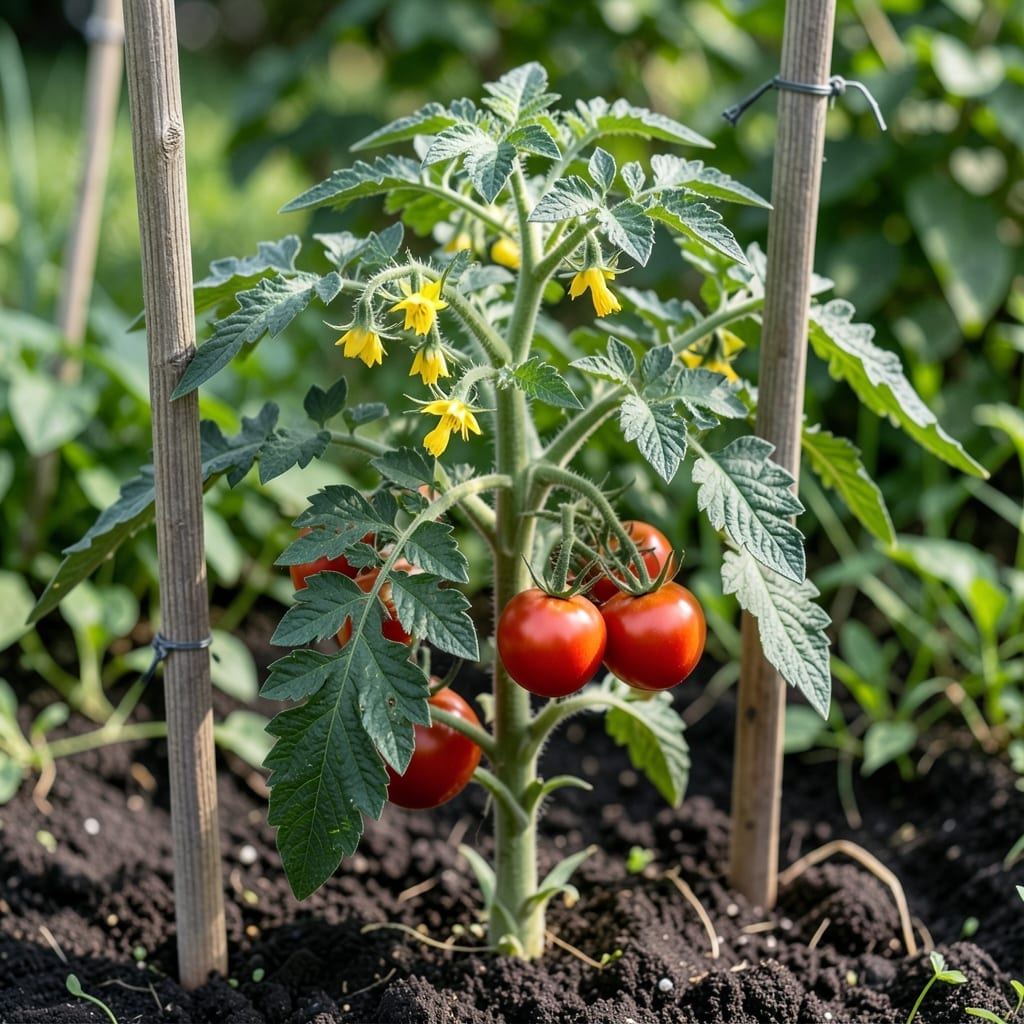
Yellowing leaves on your tomato plants aren’t just unsightly—they’re SOS signals. I’ve learned to spot these early warnings before they spread, and it’s saved entire harvests.
The problems usually start small: curled edges, purple stems, or white spots. Most gardeners miss them until it’s too late. With daily 2-minute checks, you’ll catch issues before they escalate.
Solutions are often simpler than you think. A little pruning here, adjusted watering there, and your plants bounce back fast. I’ve turned struggling plants around in under a week with the right approach.
Works for heirlooms, cherries, and beefsteaks alike. Here’s how to keep them thriving all season.
Understanding why tomato plants struggle starts with identifying the root causes. Below are the most common reasons behind poor tomato plant health, explained with clear, actionable insights.
Extreme temperatures, inconsistent watering, or poor sunlight exposure can weaken tomato plants. Heat above 90°F (32°C) or cold below 50°F (10°C) disrupts photosynthesis and nutrient uptake. Solution: Use shade cloths in hot climates and row covers in cooler areas.
Fungal and bacterial infections like Fusarium wilt or Early Blight thrive in damp, poorly drained soil. These pathogens attack roots and leaves, stunting growth. Solution: Rotate crops yearly and use disease-resistant tomato varieties.
Aphids, whiteflies, and hornworms sap nutrients from leaves and stems, leading to yellowing or wilting. Solution: Introduce beneficial insects like ladybugs or apply neem oil as a natural deterrent.
Lack of essential nutrients—nitrogen (yellow leaves), phosphorus (purple stems), or potassium (weak fruit)—can cripple plant development. Solution: Test soil and amend with organic fertilizers or compost.
When your tomato plants show signs of trouble, quick and targeted action can restore their vigor. Below are practical fixes for common issues, paired with prevention tips to keep problems at bay.
Fix: Test soil pH—tomatoes thrive in slightly acidic soil (6.0–6.8). Amend with lime to raise pH or sulfur to lower it. If nitrogen deficiency is the culprit, apply a balanced fertilizer (10-10-10) or a nitrogen-rich organic option like compost tea.
Prevent: Conduct a soil test before planting. Rotate crops yearly to avoid nutrient depletion.
Fix: For aphids or whiteflies, spray plants with a mix of water and mild soap (1 tsp per quart). Introduce beneficial insects like ladybugs. For hornworms, handpick them off and drop them into soapy water.
Prevent: Use row covers early in the season. Plant companion herbs like basil or marigolds to deter pests naturally.
Fix: This calcium deficiency often stems from uneven watering. Mulch around plants to retain moisture and water consistently—aim for 1–2 inches per week. Apply a calcium supplement like crushed eggshells or gypsum.
Prevent: Maintain steady soil moisture with drip irrigation. Avoid over-fertilizing with nitrogen, which can hinder calcium uptake.
Fix: Remove infected leaves immediately and discard (do not compost). Apply a copper-based fungicide or a DIY spray of baking soda (1 tbsp), water (1 gallon), and a drop of dish soap.
Prevent: Space plants 18–24 inches apart for airflow. Water at the base to keep foliage dry, and avoid overhead sprinkling.
💡 Pro Tip: Healthy plants start with healthy soil. Enrich beds with compost before planting, and monitor plants weekly for early signs of stress.
Water deeply 2-3 times per week, providing 1-2 inches of water each time. Adjust based on rainfall and heat—check soil moisture 2 inches down. Overwatering causes root rot, while drought stress leads to blossom end rot.
Yellow leaves often signal nitrogen deficiency or overwatering. Test soil pH (aim for 6.0-6.8) and check drainage. If the issue spreads, apply a balanced fertilizer or compost tea.
Yes! A mix of 1 tsp mild soap per quart of water controls aphids. For hornworms, handpick and drop them in soapy water. Neem oil also deters many pests naturally.
Space plants 18-24 inches apart for airflow. Water at the base to keep foliage dry, and use mulch to prevent soil splashing onto leaves. Remove infected leaves immediately.