
Beautiful Plants For Your Interior
Beautiful Plants For Your Interior
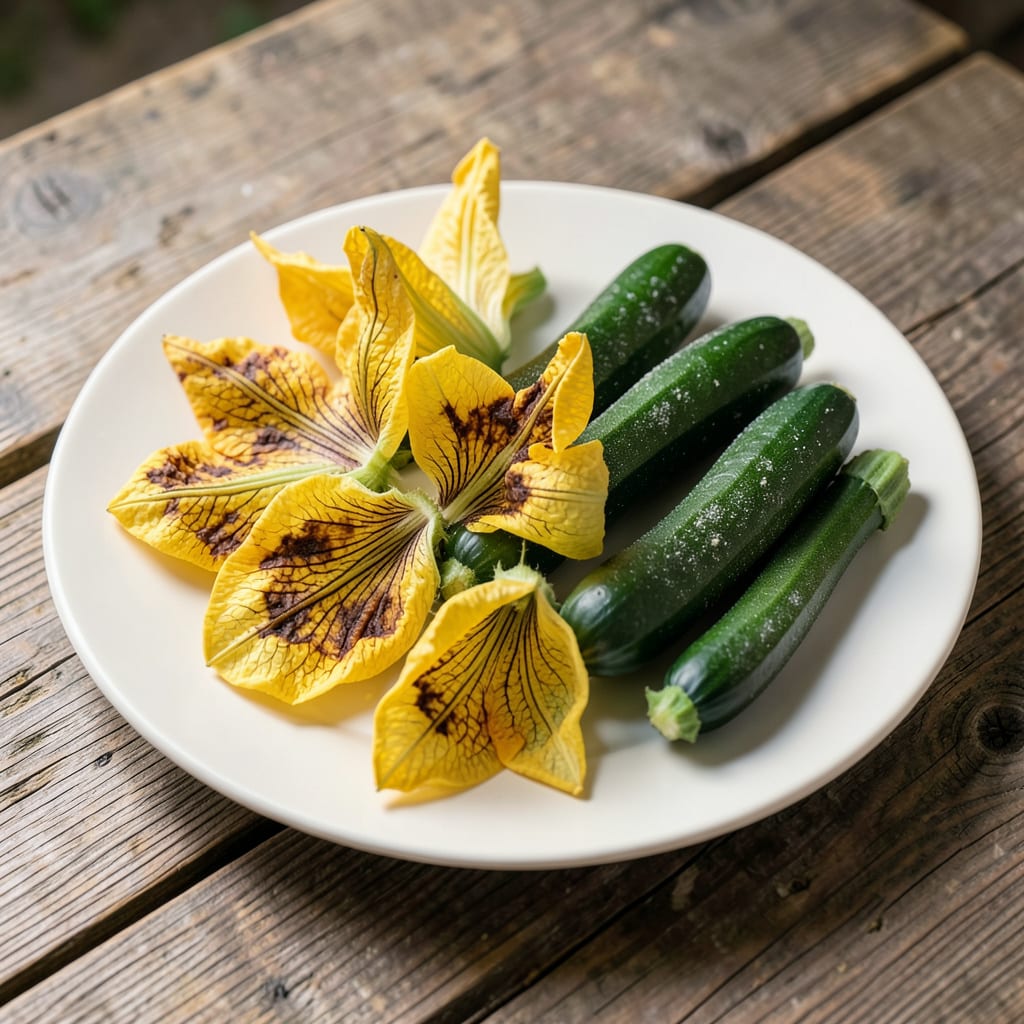
That sinking feeling when you spot it—your zucchini’s blossom end turning dark and sunken. I’ve lost dozens of fruits to this before learning the fix.
Blossom end rot isn’t a disease, it’s a calcium deficiency screaming for attention. Inconsistent watering or poor soil often trigger it, leaving your plants producing beautiful blooms but ruined fruits.
Here’s the thing—you can turn this around in 48 hours with the right approach. A simple soil amendment and adjusted watering schedule usually does the trick.
Your next harvest can be rot-free and productive. Let’s start with the early warning signs most gardeners miss.
Blossom end rot in zucchini is primarily triggered by calcium deficiency in the developing fruit, but several underlying factors can disrupt calcium uptake or distribution. Below are the most common causes, explained with actionable insights.
The most direct cause is insufficient calcium in the soil. Even if calcium is present, low pH (acidic soil) or excess salts can lock it out, making it unavailable to the plant. Sandy or heavily leached soils also struggle to retain calcium. Test your soil—ideal pH for zucchini is 6.0–6.8.
Calcium moves through the plant via water flow. Drought stress or overwatering disrupts this process, starving the fruit of calcium. Fluctuating moisture levels (e.g., dry spells followed by heavy watering) are especially problematic. Maintain even soil moisture with mulch and deep, regular watering.
During hot, humid weather or after a fertilizer surge (especially high-nitrogen), zucchini plants grow rapidly. This fast growth can outpace calcium delivery to the fruit, leading to localized deficiencies. Balance nitrogen with calcium-rich amendments like gypsum or bone meal.
Compromised roots—from over-tilling, nematodes, or transplant shock—struggle to absorb calcium efficiently. Minimize root disturbance and ensure healthy soil structure with organic matter. Cold soil temperatures (below 60°F) can also slow calcium uptake.
Excess potassium, magnesium, or ammonium in the soil can compete with calcium for uptake. Avoid over-fertilizing with potassium-heavy blends (e.g., 10-10-10) without adding calcium. Use a balanced fertilizer and supplement with calcium as needed.
Blossom end rot in zucchini is frustrating but fixable! Below are practical solutions mapped to the most common causes, along with prevention tips to keep your plants thriving.
If your soil lacks calcium, act fast. Mix crushed eggshells or gypsum into the soil around the base of the plant. For a quick boost, use a calcium-rich foliar spray like calcium nitrate. Water deeply afterward to help the roots absorb it.
Prevention: Test your soil before planting and amend it with lime if calcium levels are low. Add compost annually to maintain nutrient balance.
Fluctuating moisture levels disrupt calcium uptake. Keep soil evenly moist—not soggy—by watering deeply 1–2 inches per week. Use mulch (straw or wood chips) to retain moisture and reduce evaporation.
Prevention: Install a drip irrigation system or soaker hose for consistent watering. Avoid overhead watering to prevent fungal issues.
Cold snaps or heatwaves can stress plants, leading to blossom end rot. Protect zucchini with row covers during cool nights and provide shade cloth during heatwaves. Aim for a stable soil temperature between 70–85°F.
Prevention: Plant zucchini after the last frost when soil is warm. Use black plastic mulch to warm the soil early in the season.
Too much nitrogen or potassium can block calcium uptake. Switch to a balanced, low-nitrogen fertilizer (e.g., 5-10-10) and avoid overfeeding. Flush the soil with water if you suspect nutrient buildup.
Prevention: Use organic fertilizers like compost or fish emulsion, which release nutrients slowly and improve soil health.
💡 Pro Tip: Remove affected zucchini fruits immediately to redirect the plant’s energy to healthy growth. With these fixes, new fruits should develop normally within 1–2 weeks!
With proper calcium treatment and consistent watering, new growth should show improvement in 1-2 weeks. Remove affected fruits immediately to help the plant recover faster.
Yes! Crush eggshells into powder and mix into soil, or use 1 tablespoon of lime per plant. These are slow-release options that work well over time.
Blossom end rot typically appears during rapid growth periods or when watering is uneven. The first fruits are most vulnerable as the plant establishes its calcium transport system.
No, it’s not contagious. However, nearby plants may develop it if they share the same calcium-deficient soil or watering issues. Treat the entire bed preventatively.
