
Beautiful Plants For Your Interior
Beautiful Plants For Your Interior
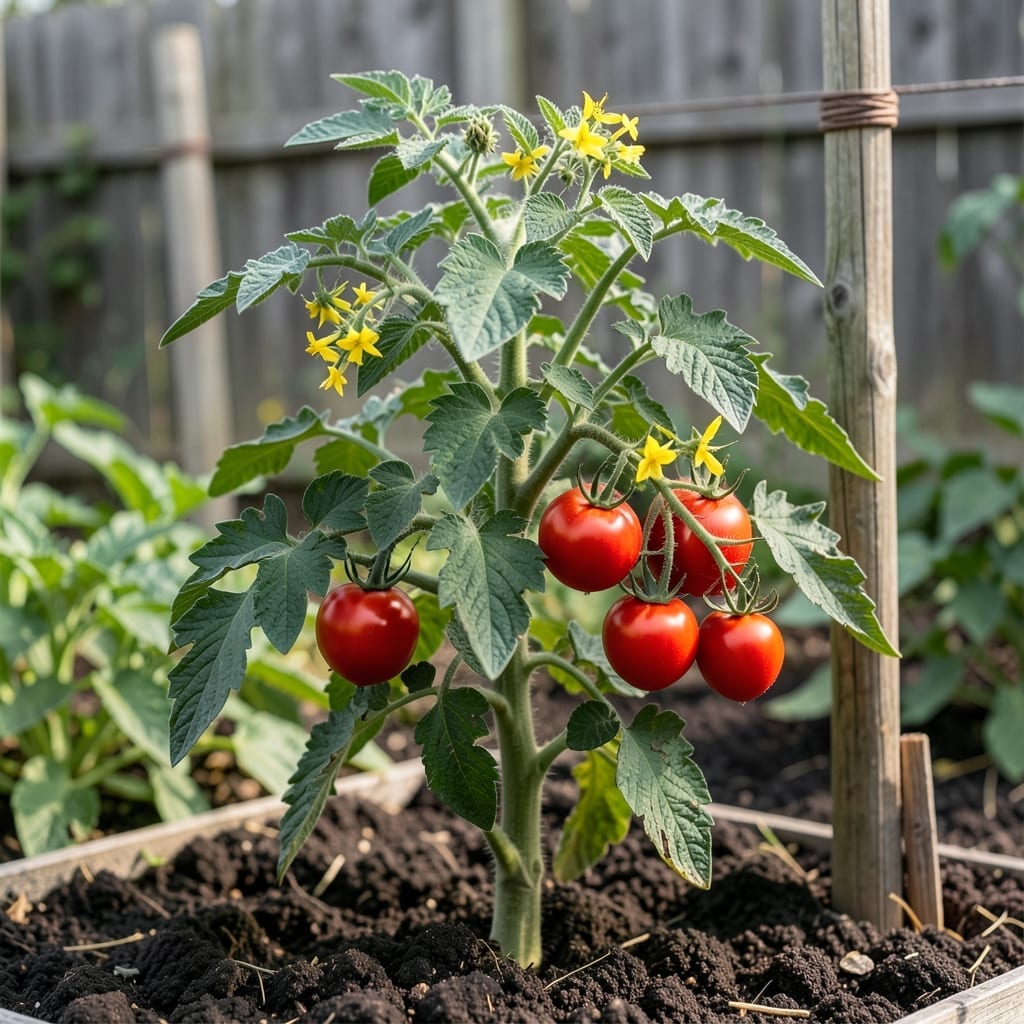
Tomato plants tell you exactly what’s wrong—if you know how to listen. I’ve saved more crops by spotting early warning signs than by any other method.
Yellow leaves often mean overwatering. Wilting in the heat usually points to uneven moisture. Black spots on fruit? That’s likely blossom end rot, fixed with a simple calcium boost.
Most issues start small: a few aphids, a powdery white coating, or leaves curling at the edges. Catch these early and you’ll turn struggling plants into healthy, productive ones within a week or two.
Works for garden beds, containers, or even patio pots. Here’s how to read the signs.
Understanding the root causes of tomato plant growing problems helps you fix them fast. Here are the most common triggers, explained scientifically:
Tomatoes thrive in 70–85°F (21–29°C) daytime temps and 55–70°F (13–21°C) at night. Heat above 90°F (32°C) disrupts pollen viability, causing blossom drop. Cold below 50°F (10°C) halts growth and yellows leaves due to slowed chlorophyll production.
Overwatering suffocates roots, reducing oxygen uptake and promoting root rot (e.g., Phytophthora fungi). Underwatering triggers wilting and blossom end rot—a calcium deficiency caused by uneven moisture disrupting nutrient transport via xylem.
Nitrogen deficiency causes yellow lower leaves; potassium shortage leads to weak stems and poor fruit quality. Calcium deficiency (often from inconsistent watering) causes blossom end rot. Test soil pH—tomatoes need 6.0–6.8 for optimal nutrient uptake.
Aphids and whiteflies suck sap, weakening plants and spreading viruses like tomato yellow leaf curl. Fungal diseases (e.g., early blight, late blight) thrive in humid, wet conditions, causing spotted leaves and fruit rot. Crop rotation and copper fungicides can prevent outbreaks.
Compacted or clay-heavy soil restricts root growth, while sandy soil drains nutrients too fast. Tomatoes need 8+ hours of sunlight daily for photosynthesis. Shade or weak light leads to leggy, weak plants with poor fruiting.
When your tomato plants struggle, quick and targeted action can turn things around. Below are practical fixes for the most common growing problems, paired with prevention tips to keep your plants thriving.
Yellowing leaves often signal a nitrogen deficiency. Fix it by working a balanced, slow-release fertilizer (10-10-10) into the soil around the base. For a quick pick-me-up, use a liquid fish emulsion or compost tea every 2 weeks. Prevention tip 💡: Test your soil annually and amend it with organic matter before planting.
This frustrating issue (black, sunken spots on fruit) stems from calcium imbalance. Treat it by adding crushed eggshells or a calcium-rich supplement like gypsum to the soil. Water consistently to ensure calcium uptake. Prevention tip 💡: Mulch with straw to retain moisture and avoid fluctuations in soil moisture levels.
Aphids, hornworms, and whiteflies love tomatoes. Combat them with a spray of soapy water (1 tsp mild soap per quart of water) or introduce beneficial insects like ladybugs. For severe cases, use neem oil. Prevention tip 💡: Rotate crops yearly and plant companion herbs like basil to deter pests naturally.
Wilting can mean underwatering or overwatering. Check soil moisture 2 inches down—if dry, water deeply; if soggy, improve drainage with perlite or sand. Prevention tip 💡: Water early in the morning to reduce evaporation and fungal risks.
Spotted or powdery leaves? Prune affected foliage and improve airflow by spacing plants 18–24 inches apart. Spray with a copper fungicide or baking soda solution (1 tsp baking soda, 1 quart water, few drops of soap). Prevention tip 💡: Avoid overhead watering and remove plant debris promptly to limit spores.
Yellow leaves often indicate nitrogen deficiency or overwatering. Test soil moisture 2 inches down—if dry, water deeply; if soggy, improve drainage. For nitrogen, use a balanced 10-10-10 fertilizer or compost tea.
Ensure consistent moisture with straw mulch and add calcium via crushed eggshells or gypsum. Avoid uneven watering, which disrupts calcium uptake. Maintain soil pH between 6.0-6.8.
Black spots are typically blossom end rot from calcium deficiency. Fix by adjusting watering habits and adding calcium-rich amendments. For fungal spots, improve airflow and remove affected leaves.
Check soil moisture first. If dry, water deeply; if soggy, improve drainage. Wilting can also signal heat stress—provide afternoon shade if temps exceed 90°F.