
Beautiful Plants For Your Interior
Beautiful Plants For Your Interior
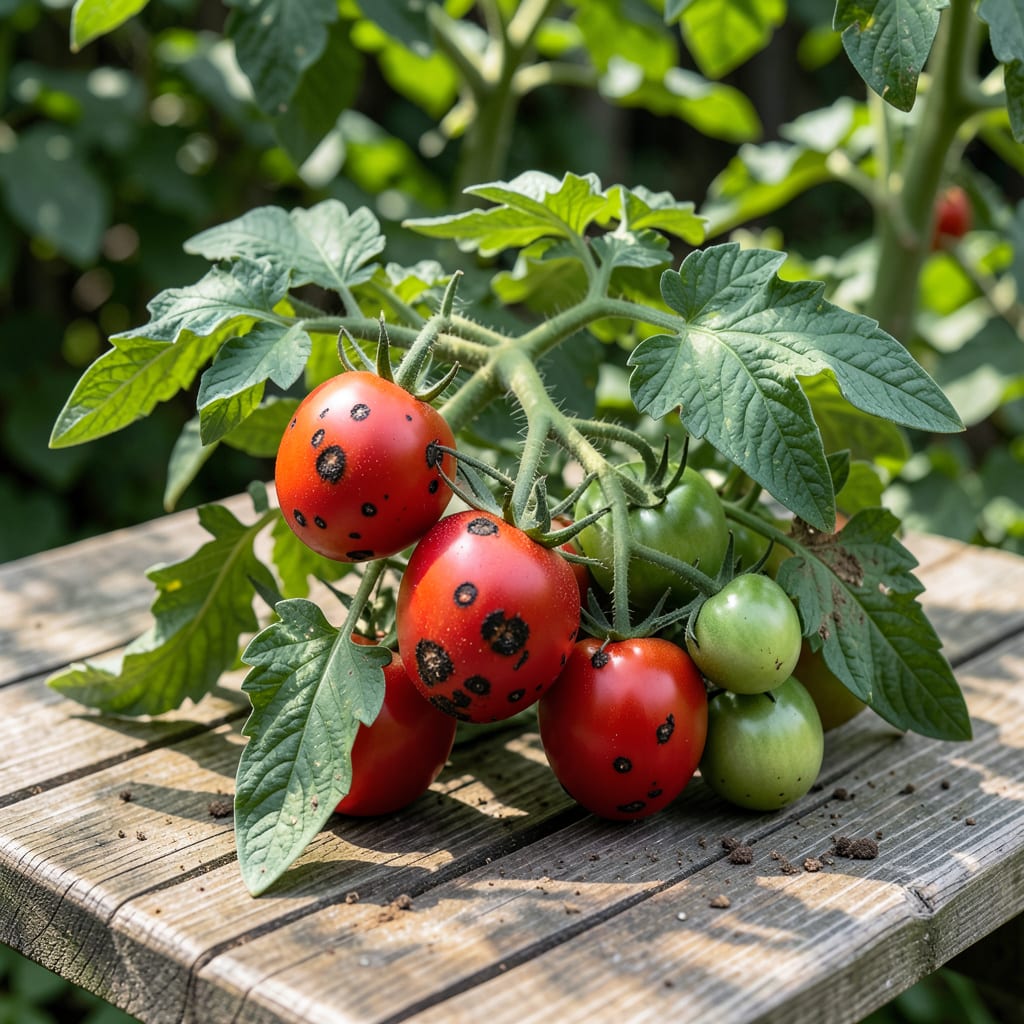
Black spots on your tomatoes aren’t just ugly—they’re a red flag. I’ve lost entire harvests to this before realizing it’s usually fungus taking over when conditions get too wet or humid.
Left unchecked, those spots spread fast, ruining fruit and stunting plants. The fix starts with better airflow, morning watering, and removing infected leaves immediately. Prevention beats cure every time.
You’ll see improvement within a week if you catch it early. The key is consistency: keep leaves dry, space plants properly, and rotate crops next season.
Works for cherry, beefsteak, or heirloom varieties alike. Here’s how to save your crop this year.
Black spots on tomato fruit usually stem from environmental stress or pathogens. Below are the most common causes, explained in clear, actionable terms.
Alternaria and Anthracnose fungi thrive in warm, wet conditions. Alternaria causes concentric black rings on leaves and fruit, while Anthracnose creates sunken, circular black spots with a bullseye pattern. Both spread via spores in water or soil, entering through wounds or natural openings.
Though often brown, severe calcium deficiency can lead to dark, leathery spots at the blossom end of tomatoes. This happens when inconsistent watering or poor soil calcium prevents the plant from transporting enough calcium to developing fruit.
Extreme heat or direct, intense sunlight can cause sunscald, leading to white-yellow patches that later turn black and leathery. This occurs when fruit is exposed due to poor foliage cover, often after heavy pruning or leaf loss from disease.
Feeding punctures from stink bugs or spider mites can create small, dark spots where pathogens enter. Stink bugs inject enzymes that break down plant tissue, causing discolored, corky areas that may darken over time.
Tackling black spots on your tomato fruit starts with identifying the root cause. Here’s how to address each issue and keep your plants thriving:
For early blight or anthracnose, remove infected fruits and leaves immediately to prevent spread. Apply a copper-based fungicide or a homemade mix of baking soda and water (1 tbsp baking soda + 1 gallon water + a drop of dish soap). Spray every 7–10 days, especially after rain. 💡 Pro tip: Improve airflow by pruning lower leaves and spacing plants 2–3 feet apart.
This isn’t a disease but a calcium deficiency. Fix it by adding crushed eggshells or gypsum to the soil. Water consistently—uneven moisture worsens the problem. For a quick boost, use a calcium-rich foliar spray. 🎯 Prevention: Test soil pH (aim for 6.2–6.8) and mulch to retain moisture.
If pests like stink bugs or aphids are causing spots, introduce beneficial insects (ladybugs, lacewings). For severe infestations, use neem oil or insecticidal soap. ✨ Pro tip: Inspect plants weekly and handpick pests early.
Black spots from sunscald appear on exposed fruit. Use shade cloth (30–40%) during peak heat or plant taller crops nearby for natural shade. 🌡️ Prevention: Avoid over-pruning, which leaves fruit vulnerable.
Consistency is key—monitor plants, act fast, and prioritize prevention to enjoy spot-free tomatoes all season!
Yes! Too much water creates perfect conditions for fungal growth. Stick to morning watering and ensure good drainage to keep leaves dry.
Rotate crops, space plants 2-3 feet apart, and use drip irrigation. Remove plant debris in fall to eliminate spores.
Only if the spots are from sunscald or blossom end rot. Discard fruit with fungal spots to avoid spreading spores.
Remove infected parts immediately, then apply copper fungicide. Improve airflow by pruning lower leaves.
