
Beautiful Plants For Your Interior
Beautiful Plants For Your Interior
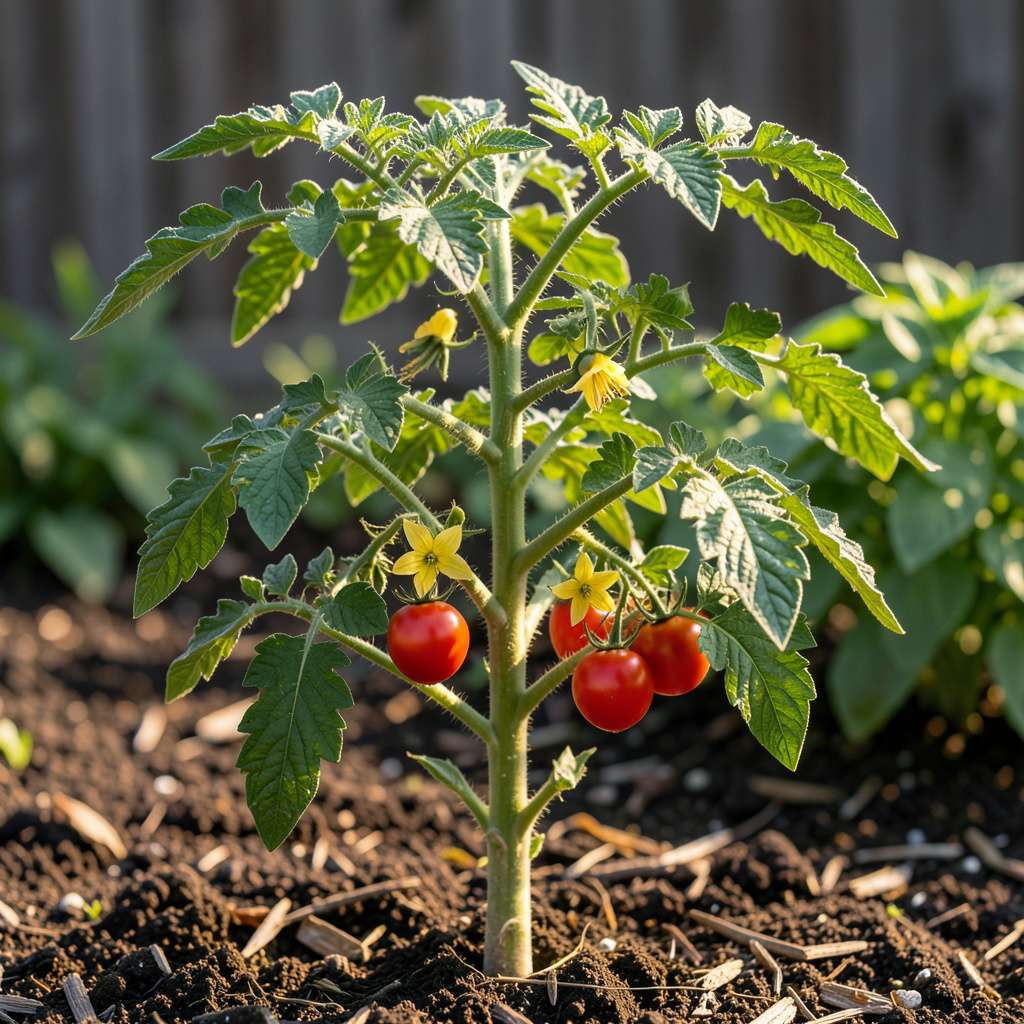
Leaf curl on tomato plants is commonly caused by environmental stress (like uneven watering or heat), viral infections (such as tomato yellow leaf curl virus), or herbicide drift. Physiological curling from heat or drought is often harmless, while viral causes require immediate action.
I’ve seen this issue pop up in gardens more often than you’d think, and the tricky part is that curled leaves can signal completely different problems. 🌱 When temperatures spike above 90°F or watering becomes inconsistent, tomato plants react by curling their leaves to conserve moisture—this is their survival mechanism kicking in. But here’s where it gets interesting: if you notice yellowing along with curling or see whiteflies buzzing around, you’re likely dealing with a viral infection that needs immediate attention.
What many gardeners don’t realize is that even well-meaning neighbors can cause this problem. Herbicide drift from nearby lawn treatments often goes unnoticed until tomato leaves start twisting and cupping unnaturally. I always recommend keeping a garden journal to track when symptoms appear—this helps distinguish between temporary stress responses and serious infections that could spread to other plants. ✨
💡 In This Article
When tomato plants face extreme heat or moisture fluctuations, their leaves curl as a survival mechanism. The science behind this involves turgor pressure—water pressure inside plant cells. During drought or heatwaves above 90°F, plants lose water faster than roots can absorb it, causing cells to shrink and leaves to curl inward to reduce surface area.
This is why you’ll often see leaves rolling upward like tiny cigars on scorching afternoons. 🔥
Overwatering creates the opposite but equally problematic effect. Soggy soil suffocates roots, preventing oxygen uptake and nutrient absorption. The leaves may curl downward or develop a leathery texture as the plant struggles to maintain cellular structure.
I’ve measured soil moisture in these cases and found that anything below 2 inches of dry topsoil or above 80% saturation triggers stress responses. The ideal range sits between 40-60% moisture for most tomato varieties.
Temperature swings play a bigger role than many realize. Nighttime temps below 55°F combined with daytime heat can cause “temperature shock” curling. The plant’s vascular system works overtime to adjust, often resulting in temporary leaf distortion.
What’s fascinating is that heirloom varieties like Brandywine show more dramatic curling than hybrids, which have been bred for stress tolerance. ✨
Here’s what most gardeners miss: leaf curl from environmental stress is often reversible. When I notice curling in my garden, I first check the soil moisture with my finger (my go-to method) and adjust watering. For heat stress, providing afternoon shade with 30-40% shade cloth makes a noticeable difference within 24-48 hours.
The leaves typically unfurl once conditions stabilize, though repeated stress can lead to permanent damage.
Wind exposure adds another layer of stress that’s frequently overlooked. Consistent winds above 15 mph increase transpiration rates, forcing plants to curl leaves to conserve moisture. I’ve seen this particularly in container gardens on balconies. The solution? Positioning windbreaks or moving pots to sheltered locations.
What’s interesting is that wind-stressed plants often develop thicker cuticles over time, making them more drought-resistant. 🌟
For those using drip irrigation (which I highly recommend), pay attention to emitter placement. Leaves curling on just one side of the plant often indicate uneven water distribution. I’ve found that placing emitters 6-8 inches from the stem at 2-3 locations per plant creates the most uniform moisture distribution.
This simple adjustment can prevent localized stress responses that lead to curling.
Mild environmental curling usually doesn’t impact fruit production. However, severe viral curling can reduce yields by 30-50% as the plant diverts energy to survival rather than fruit development. If only lower leaves are affected, your harvest may remain mostly unaffected.
Heat stress causes uniform upward curling across the plant, often in afternoon heat. Disease-related curling appears with yellowing, mottling, or only affects new growth. Check leaf undersides for whiteflies—if present, you’re likely dealing with a viral infection that needs immediate attention.
Excess nitrogen creates rapid, weak growth that’s prone to curling. I’ve seen this when gardeners apply more than 1 tablespoon of fertilizer per plant weekly. The leaves may curl downward with dark green, thickened appearance. Flush soil with water and reduce feeding to correct this.
Only remove leaves that are completely yellowed or crispy. Healthy curled leaves still photosynthesize and contribute to plant growth. If you must prune, use sterilized shears and never remove more than 1/3 of foliage at once to avoid shocking the plant.
Environmental curling often resolves within 24-48 hours after correcting the issue. Viral damage is permanent, though new growth may appear normal. For herbicide drift, recovery depends on concentration but typically takes 1-2 weeks with proper care.
