
Beautiful Plants For Your Interior
Beautiful Plants For Your Interior
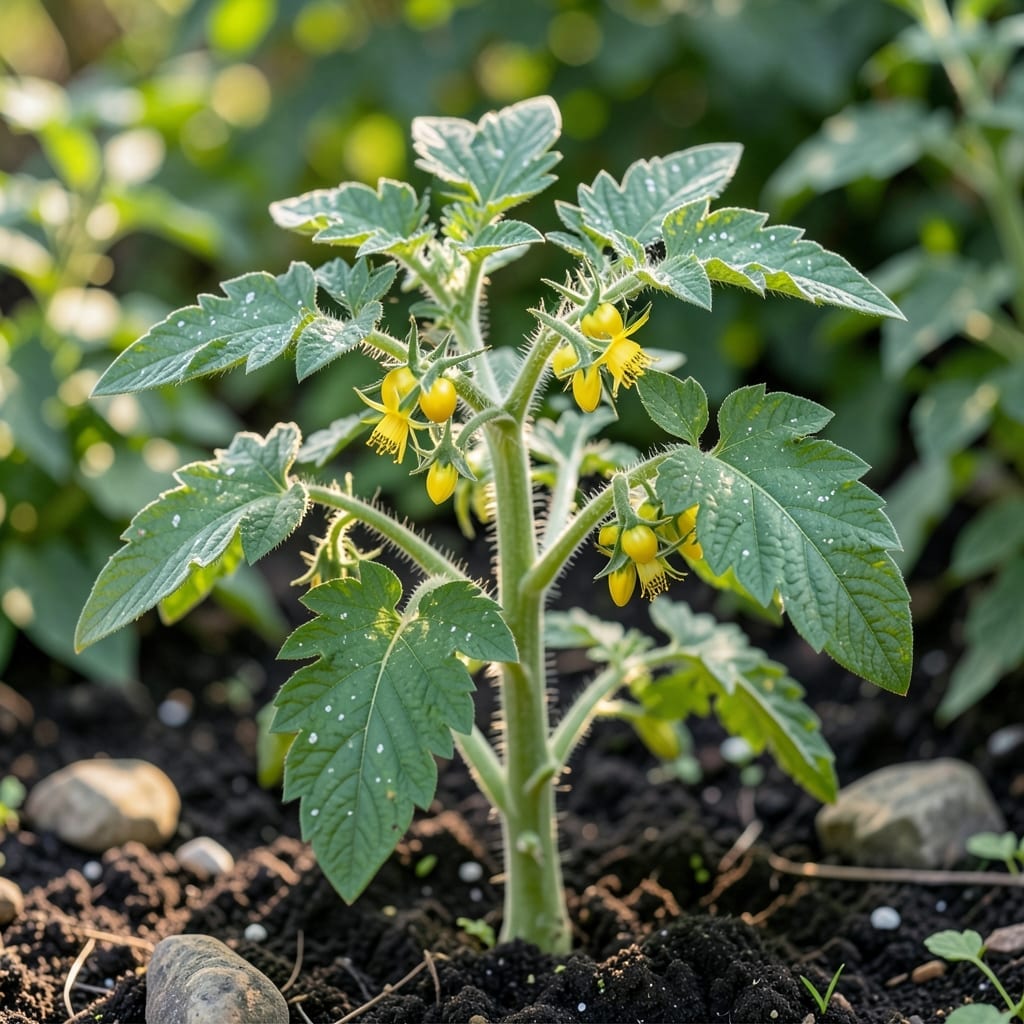
White spots on tomato leaves aren’t just unsightly—they’re a warning. I’ve seen entire crops suffer from ignoring the first signs, but catching them early makes all the difference.
These spots usually mean one of three things: a fungal issue like powdery mildew, pests such as spider mites, or environmental stress from water or sun. Each has a different fix, so proper diagnosis is key.
Organic treatments work, but timing is everything. A simple baking soda spray or neem oil can stop many problems in their tracks if applied at the first sign of trouble.
Don’t wait for the spots to spread. A quick inspection and the right response can save your plants and your harvest.
Tomato leaves developing white spots can signal several underlying issues, each with distinct triggers. Identifying the root cause is key to effective treatment. Below are the most common culprits, explained scientifically yet practically.
Fungi like Powdery Mildew (Oidium neolycopersici) thrive in humid, warm conditions. They form white, powdery patches as spores spread across leaf surfaces, blocking sunlight and weakening the plant. Poor air circulation and wet foliage exacerbate growth.
Whiteflies, aphids, and spider mites leave behind white residue or stippling as they feed on sap. Their sticky honeydew attracts sooty mold, creating secondary white patches. Check leaf undersides for tiny pests or webbing.
Overhead watering in sunlight can cause sunscald, where water droplets act as magnifying lenses, burning leaf tissue and leaving bleached spots. Similarly, edema (from inconsistent watering) creates blister-like white bumps as cells rupture.
Magnesium or zinc shortages may manifest as interveinal white or yellow-white spotting, often starting on older leaves. These nutrients are mobile, so the plant redistributes them to new growth, leaving older foliage discolored.
Herbicide drift or improper pesticide application can cause localized white or necrotic spots. Even organic sprays like sulfur or copper can burn leaves if applied in high heat or wrong concentrations.
Dealing with white spots on tomato leaves can be frustrating, but the right approach can restore your plant’s health. Below are targeted solutions for common causes, along with prevention tips to keep your garden thriving.
If the spots are caused by powdery mildew or early blight, mix 1 tablespoon baking soda + 1 teaspoon dish soap + 1 gallon water. Spray affected leaves weekly until symptoms fade. For bacterial issues, use copper fungicide (follow label instructions). Remove heavily infected leaves to prevent spread.
Prevention: Improve airflow by pruning dense foliage and watering at the base (avoid wetting leaves). 💡 Space plants 18–24 inches apart.
Whiteflies, spider mites, or aphids leave stippled or sticky white patches. Blast pests off with water, then apply neem oil or insecticidal soap (reapply every 3–5 days). Introduce ladybugs or lacewings for long-term control.
Prevention: Use reflective mulch to deter pests and rotate crops annually. 🎯 Inspect leaf undersides weekly for early signs.
If spots appear after sudden intense sunlight, provide 30% shade cloth during peak hours. Move potted tomatoes to a sheltered spot temporarily. New leaves will adapt over time.
Prevention: Harden off seedlings gradually before transplanting. ✨ Avoid placing dark mulch (which heats roots) under young plants.
White spots from magnesium or zinc deficiency? Work 1 tablespoon Epsom salt per gallon of water into the soil for magnesium. For zinc, use kelp meal or a balanced organic fertilizer. Test soil pH (ideal: 6.0–6.8).
Prevention: Enrich soil with compost before planting. 🌡️ Avoid over-fertilizing with nitrogen, which can block micronutrient uptake.
Yes! Overwatering can cause edema, creating white blisters on leaves. It also encourages fungal growth. Let soil dry slightly between waterings to prevent this.
Yes, but only if the damage is severe. Prune heavily spotted leaves to improve airflow. Always sterilize tools between cuts to avoid spreading disease.
Avoid vinegar—it can burn leaves. Stick to proven treatments like neem oil or baking soda spray for fungal issues. Test any remedy on a small area first.
With proper care, new growth should appear healthy within 1-2 weeks. Severe cases may take longer. Consistency in treatment and prevention is key.