
Beautiful Plants For Your Interior
Beautiful Plants For Your Interior
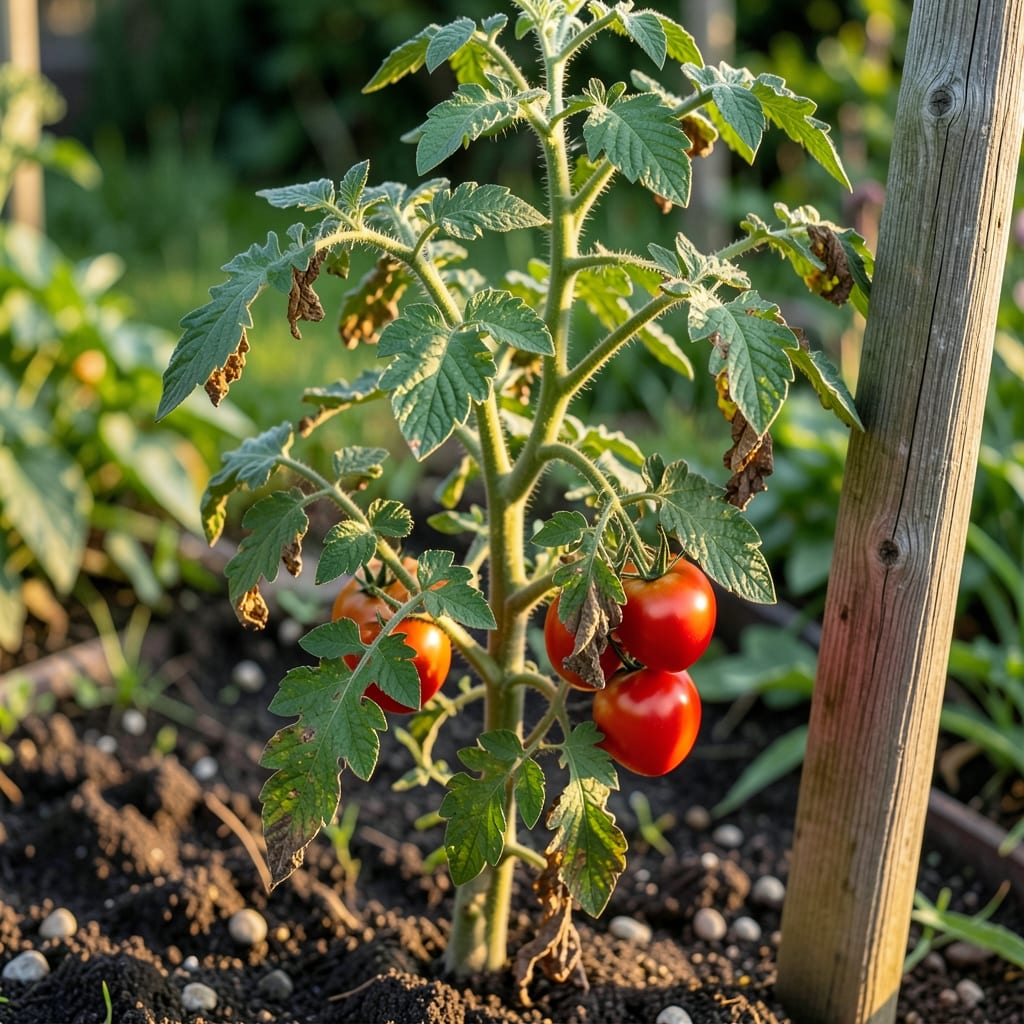
Yellowing leaves on your tomatoes signal trouble, but it’s fixable. I’ve saved countless plants by catching the early signs—wilt, spots, or crispy edges—before the whole plant gives up.
Most issues boil down to 3 things: water stress, pests, or disease. Overwatering drowns roots, while underwatering leaves them parched. Aphids and hornworms suck the life out of leaves overnight.
Natural fixes like neem oil, pruning affected areas, or adjusting your watering schedule work fast. The key is acting the moment you spot the first discolored leaf.
Within days, you’ll see new growth replacing the damaged leaves. Your tomatoes will bounce back stronger if you tackle the root cause early.
Tomato leaves can wilt, yellow, or die due to a range of stressors. Understanding the root cause is key to saving your plants. Below are the most common reasons, explained simply but backed by science.
Heat or cold shock disrupts cellular function in leaves. Tomatoes thrive in 70–85°F (21–29°C); beyond this, enzymes denature, and photosynthesis slows. Drought stress closes stomata, reducing gas exchange, while overwatering suffocates roots, leading to nutrient uptake failure. Tip: Use mulch to regulate soil temperature and moisture.
Early blight (Alternaria solani) causes concentric brown spots, while late blight (Phytophthora infestans) turns leaves dark and greasy. Bacterial speck (Pseudomonas syringae) creates small, water-soaked lesions. These pathogens thrive in wet, humid conditions, entering through stomata or wounds. Action: Remove infected leaves immediately and improve airflow.
Aphids, whiteflies, and spider mites pierce leaf cells to feed, injecting toxins that cause yellowing or necrosis. Hornworms defoliate plants overnight. Check undersides of leaves for pests or sticky residue (honeydew). Solution: Introduce beneficial insects like ladybugs or use neem oil for organic control.
Nitrogen deficiency turns lower leaves yellow (chlorosis), while magnesium lack causes interveinal yellowing. Calcium deficiency leads to distorted new growth. Test soil pH (ideal: 6.0–6.8); imbalances block nutrient uptake. Fix: Apply a balanced fertilizer or Epsom salt for magnesium.
Herbicide drift (e.g., 2,4-D) causes cupped, twisted leaves. Over-fertilization burns roots, mimicking drought stress. Even poor pruning can expose leaves to sunscald. Prevent: Water deeply after fertilizing, and prune in the morning to reduce stress.
When your tomato leaves start to wither, quick action can save your plant. Below are targeted fixes for common causes, along with prevention tips to keep your garden thriving.
If the soil feels dry 1-2 inches down, your tomato plant needs more water. Water deeply at the base early in the morning to reduce evaporation. Aim for 1-2 inches of water per week, adjusting for rainfall. Prevention tip: 💡 Mulch around the base with straw or wood chips to retain moisture and regulate soil temperature.
Yellowing leaves and soggy soil signal overwatering. Stop watering immediately and check the roots for rot (mushy, dark roots). Trim affected roots and repot in fresh, well-draining soil. Prevention tip: 🌡️ Use a moisture meter or stick your finger in the soil—only water when the top 1-2 inches are dry. Plant in raised beds or containers if your soil retains too much water.
Aphids, whiteflies, or hornworms can drain your plant’s vitality. Blast pests off with a strong stream of water or spray leaves with a mixture of 1 tsp mild soap + 1 liter of water. For severe infestations, introduce beneficial insects like ladybugs. Prevention tip: ✨ Plant companion herbs like basil or marigolds to deter pests naturally.
Spotted or wilting leaves often mean fungal issues like early blight or powdery mildew. Remove infected leaves immediately and dispose of them (do not compost). Apply a copper fungicide or a homemade spray of 1 tbsp baking soda + 1 tsp oil + 1 gallon of water. Prevention tip: 🎯 Space plants 18-24 inches apart for airflow, and avoid overhead watering to keep leaves dry.
Yellowing between leaf veins (magnesium deficiency) or purple stems (phosphorus deficiency) call for a nutrient boost. Use a balanced organic fertilizer or amend soil with compost. For quick fixes, try a foliar spray of Epsom salt (1 tbsp per gallon of water) for magnesium. Prevention tip: 🔥 Test your soil annually and enrich it with compost before planting.
Water deeply 2-3 times per week, giving 1-2 inches total. Always check soil moisture first—water only when the top 1-2 inches are dry. Morning watering prevents evaporation.
Brown spots often signal fungal infections like early blight. Remove affected leaves immediately and improve airflow. Avoid overhead watering to keep foliage dry.
Yellow leaves rarely recover, but new growth will be healthy. Fix the underlying issue (nutrients, water, pests) and prune damaged leaves to redirect energy.
Yes, they suck sap and spread disease. Use neem oil or introduce ladybugs. Check leaf undersides weekly for early signs.