
Beautiful Plants For Your Interior
Beautiful Plants For Your Interior
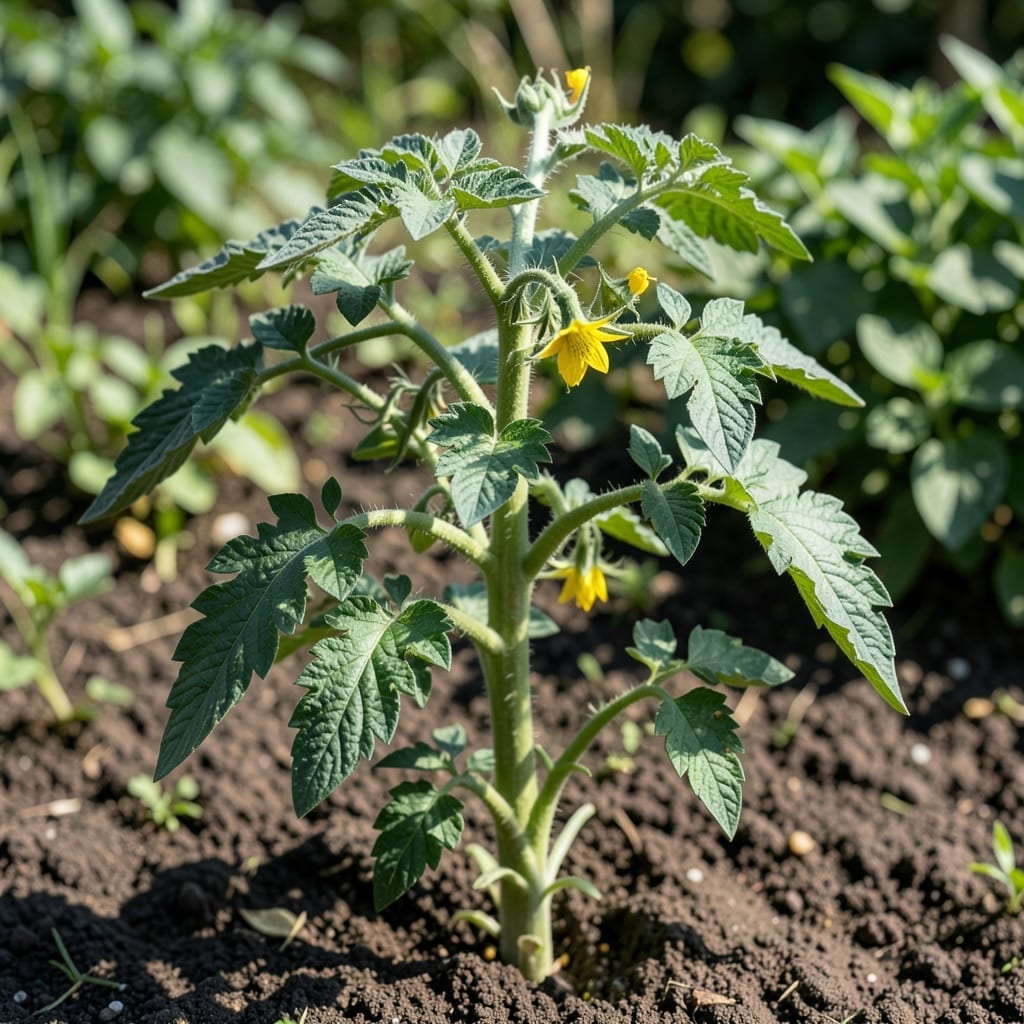
Your tomato leaves curling into tight rolls is their way of waving a white flag. I’ve seen this in my garden more times than I care to admit, and it always means one thing: your plants are under stress.
The culprits usually aren’t mysterious—too much water, too little, extreme heat, or pests throwing a party on the undersides. Each cause leaves its own signature curl pattern, and once you learn to read them, the solution becomes obvious.
With the right adjustments, you’ll see those leaves uncurl within 24-48 hours. The key is acting fast before the stress stunts growth or spreads to healthy foliage.
Works for greenhouse plants, container tomatoes, and in-ground gardens. Here’s how to play plant detective and fix it for good.
Tomato leaves curling is often a distress signal from your plants. Here are the most common causes, broken down for quick diagnosis:
When temperatures exceed 90°F (32°C), tomato plants conserve water by curling their leaves to reduce surface area. This is a survival mechanism, but prolonged heat can stunt growth. Shade cloth or afternoon watering can mitigate the stress.
Both overwatering and underwatering trigger leaf curl. Overwatering suffocates roots, reducing nutrient uptake, while drought forces leaves to curl inward to retain moisture. Aim for consistent soil moisture—check the top inch of soil before watering.
Aphids, whiteflies, and spider mites sap plant juices, causing leaves to curl as a stress response. Inspect the undersides of leaves for pests or sticky residue (honeydew). Neem oil or insecticidal soap can provide relief.
Viruses like Tomato Yellow Leaf Curl Virus (TYLCV) disrupt cellular function, leading to upward-curling leaves and stunted growth. These are often spread by whiteflies. Remove infected plants immediately to prevent spread, as there’s no cure.
Too much or too little nitrogen, potassium, or magnesium can cause curling. For example, magnesium deficiency (common in sandy soils) leads to interveinal yellowing and leaf curl. A balanced fertilizer or Epsom salt spray (for magnesium) can correct the issue.
Addressing curling tomato leaves starts with pinpointing the cause. Here’s how to tackle each issue and restore your plants to health:
Fix: Check the soil moisture 2 inches deep. If it’s soggy, let it dry out before watering again. If it’s bone-dry, water deeply and evenly. Use a moisture meter for precision.
Prevention: Water consistently—early morning is best. Mulch around the base to retain moisture and prevent extremes. 💡 Pro tip: Drip irrigation delivers water directly to roots, avoiding leaf wetness.
Fix: Shield plants from strong winds with a barrier or relocate potted tomatoes. If temperatures are extreme, use shade cloth for heat or row covers for cold.
Prevention: Harden off seedlings before transplanting and choose a sheltered spot. Monitor weather forecasts to act before stress hits.
Fix: Spray leaves with neem oil or insecticidal soap to target aphids, whiteflies, or spider mites. Remove heavily infested leaves and dispose of them in sealed bags.
Prevention: Encourage beneficial insects like ladybugs with companion planting (e.g., basil or marigolds). Inspect leaves regularly for early signs of pests. 🎯 Pro tip: Yellow sticky traps can catch flying pests early.
Fix: Remove and destroy infected leaves to prevent spread. Apply a copper-based fungicide for fungal diseases like leaf curl virus or septoria leaf spot.
Prevention: Space plants for airflow, avoid overhead watering, and rotate crops yearly. Sterilize gardening tools between uses to limit contamination.
Fix: Test soil for deficiencies. Add a balanced fertilizer (10-10-10) for general health or adjust with specific nutrients (e.g., calcium for blossom end rot-related stress).
Prevention: Enrich soil with compost before planting. Feed tomatoes every 2–3 weeks during the growing season, following package instructions.
With proper intervention, leaves often uncurl within 24-48 hours. Environmental fixes like watering or shade show the fastest results.
Start with water balance—check if soil is too dry or soggy 2 inches deep. This is the easiest to fix and most frequent culprit.
Mild curling won’t stop fruiting, but severe stress can reduce yield. Address the issue promptly to prevent long-term damage.
Use mulch, monitor soil moisture, and provide afternoon shade during heatwaves. Companion planting with basil deters pests.