
Beautiful Plants For Your Interior
Beautiful Plants For Your Interior
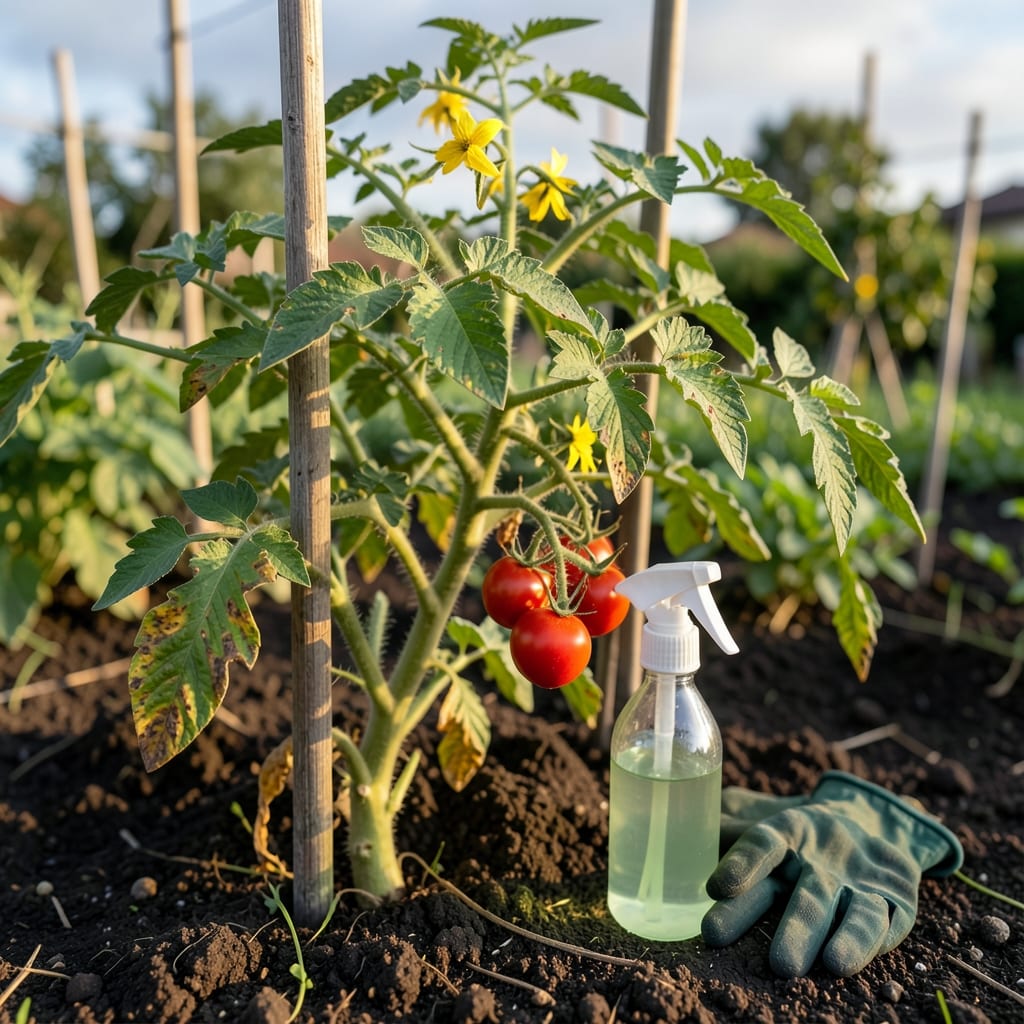
Spot those brown leaves or weird spots on your tomatoes? I’ve been there—watching healthy plants turn sickly overnight. The good news is most tomato diseases are treatable if you catch them early.
Organic solutions work surprisingly well, from copper sprays to baking soda mixes. Prevention is even simpler: rotate crops, space plants properly, and water at the base to keep leaves dry.
With the right approach, your plants can bounce back in 2-3 weeks. You’ll see new growth replacing damaged leaves, and your harvest stays on track.
Works for heirlooms, cherry tomatoes, and everything in between. Let’s save your crop!
Tomato diseases often stem from a mix of environmental, biological, and cultural factors. Understanding these root causes helps you prevent and manage issues effectively. Below are the primary triggers, broken down for clarity.
Extreme weather conditions, such as prolonged drought or excessive rainfall, weaken tomato plants, making them more susceptible to diseases. High humidity, for example, encourages fungal growth like early blight or powdery mildew. Poor air circulation in dense plantings also traps moisture, creating an ideal breeding ground for pathogens.
Fungi, bacteria, and viruses are the most common culprits behind tomato diseases. Fungal spores (e.g., Fusarium or Verticillium wilt) thrive in moist soil and can persist for years. Bacteria like Pseudomonas syringae enter through wounds or natural openings, causing spots or wilting. Viruses, often spread by insects, lead to stunted growth or mottled leaves.
Insects like aphids, whiteflies, and tomato hornworms don’t just damage plants directly—they also spread diseases. Aphids, for instance, transmit viruses such as tomato yellow leaf curl. Their feeding wounds create entry points for secondary infections, compounding the problem.
Overcrowding, improper watering (e.g., wetting foliage), and lack of crop rotation invite disease. Reusing soil without rotation allows pathogens to accumulate. Additionally, using contaminated tools or seeds can introduce diseases to otherwise healthy plants.
Tackling tomato diseases starts with quick, targeted action. Below are practical fixes for common issues, paired with prevention tips to keep your plants thriving. 🌱
Spot brown spots with rings on lower leaves? Prune infected foliage immediately and discard it (don’t compost!). Apply copper fungicide or a baking soda spray (1 tbsp baking soda + 1 tsp dish soap + 1 gallon water). Prevention: Rotate crops yearly and space plants for airflow.
Dark, sunken patches on fruit? This is often a calcium deficiency. Treat by adding crushed eggshells or lime to the soil. Water consistently to avoid moisture swings. Prevention: Test soil pH (aim for 6.2–6.8) and mulch to retain moisture.
Sticky leaves or curled growth? Spray aphids off with water or use neem oil (mix 2 tbsp oil + 1 tsp soap + 1 quart water). Introduce ladybugs for natural control. Prevention: Plant basil or marigolds nearby to repel pests.
Yellowing, wilting plants? Remove infected plants and solarize soil by covering it with clear plastic for 4–6 weeks to kill fungi. Prevention: Choose resistant tomato varieties (look for “F” on seed packets) and avoid overwatering.
Pro Tip: 💡 Always sterilize pruning tools with rubbing alcohol between cuts to prevent spreading diseases. Healthy soil and consistent care are your best defenses!
Use copper fungicide every 7-10 days during wet weather or at first signs of fungal issues. Always follow label instructions and avoid applying in direct sunlight to prevent leaf burn.
Yes! A baking soda spray (1 tbsp baking soda + 1 tsp dish soap + 1 gallon water) works well for early blight. Neem oil is also effective against pests and some fungal issues.
This is often due to inconsistent watering or calcium deficiency. Add crushed eggshells to soil and maintain even moisture. Test your soil pH—it should be between 6.2–6.8.
Remove them immediately if they show severe wilting or widespread spots. This prevents pathogens from spreading to healthy plants. Never compost diseased plant material.