
Beautiful Plants For Your Interior
Beautiful Plants For Your Interior
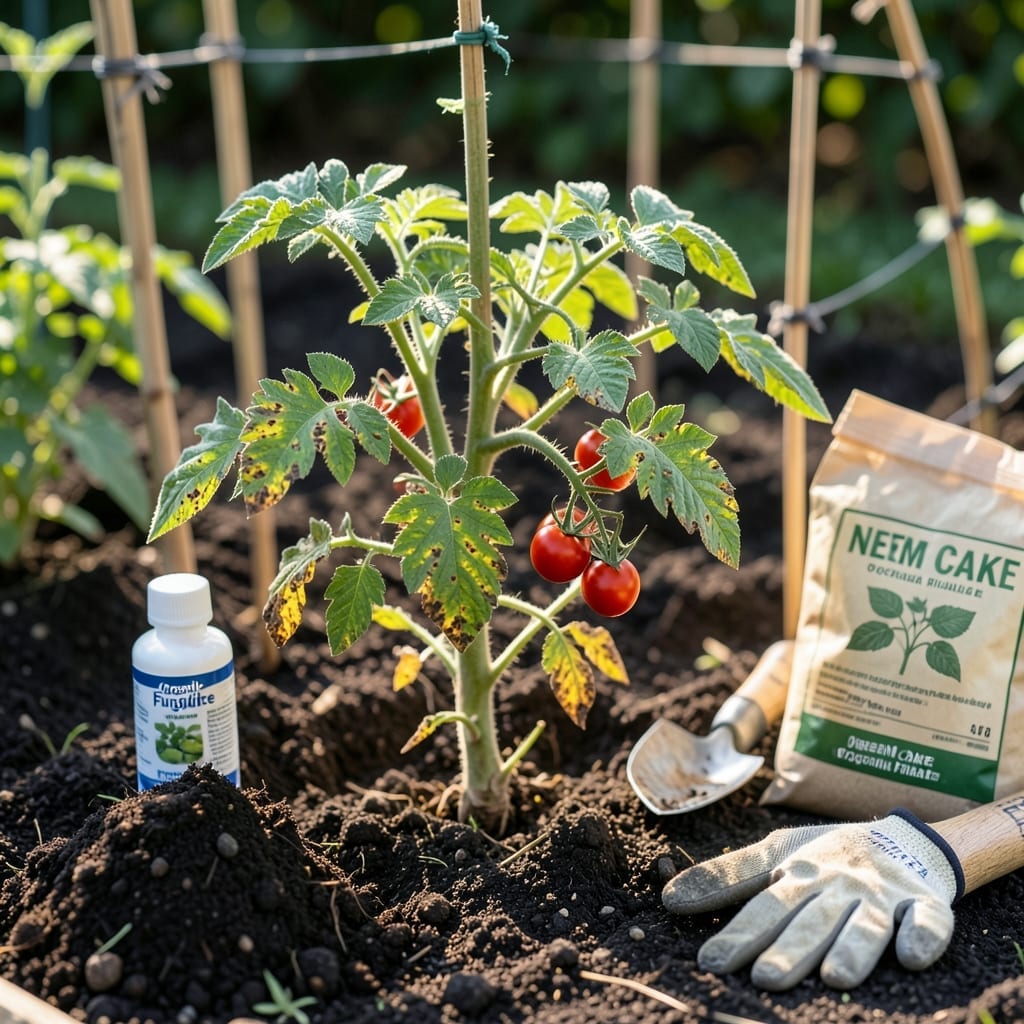
Tomato blight hits hard and fast. I lost an entire crop to this fungal nightmare before learning how to fight back through soil management.
This isn’t just about treated plants—it’s about creating soil that actively resists the spores. The solution combines cultural practices with targeted amendments that starve the fungus before it starts.
You’ll end up with healthier plants that bounce back from challenges and produce consistent harvests season after season. The difference shows in the leaves first, then in the fruit.
Works for garden beds, raised boxes, and container setups. Here’s how to break the blight cycle for good.
Tomato blight isn’t just bad luck—it’s a fungal infection with clear causes. Understanding why it happens is the first step to stopping it in its tracks.
Blight is primarily caused by Phytophthora infestans (late blight) or Alternaria solani (early blight), which thrive in moist, poorly drained soil. These pathogens overwinter in infected plant debris or soil, waiting for the right conditions—warmth and humidity—to attack new tomato plants.
Overwatering, heavy rainfall, or compacted soil creates a waterlogged environment where fungal spores multiply rapidly. Splashing water from soil to leaves spreads the disease, especially in crowded gardens with poor air circulation.
Leaving blighted tomato vines or potatoes (a common host) in the garden over winter gives fungi a cozy home. Spores survive in decaying matter, ready to reinfect the next planting season.
Using unsterilized pruners, stakes, or even boots can transfer spores from infected soil to healthy plants. Similarly, reused potting mix or compost containing blighted material can introduce the problem anew.
Addressing these root causes—through crop rotation, proper sanitation, and soil treatment—breaks the cycle of infection.
Tackling tomato blight in your soil requires targeted solutions to stop the fungus in its tracks. Here’s how to fix it based on the root cause:
If your soil is heavily infected, remove the top 6 inches of soil and replace it with fresh, sterilized potting mix or compost. Avoid reusing contaminated soil to prevent reinfection.
Prevention tip: 💡 Rotate crops yearly—avoid planting tomatoes or related crops (like potatoes or peppers) in the same spot for at least 3 years.
Blight thrives in soggy soil. Mix in coarse sand, perlite, or organic matter (like compost) to enhance drainage. Raised beds can also help keep roots dry.
Prevention tip: 🎯 Use drip irrigation instead of overhead watering to keep foliage dry and reduce fungal spread.
Remove and destroy all diseased plant material—do not compost it! Sanitize tools and stakes with a 10% bleach solution to avoid spreading spores.
Prevention tip: ✨ Mulch with straw or wood chips to create a barrier between soil and leaves, reducing splash-borne spores.
Strengthen plants with fungicide sprays like copper-based solutions or neem oil. Apply early in the season or at the first sign of trouble.
Prevention tip: 🌡️ Choose blight-resistant tomato varieties (e.g., ‘Mountain Merit’ or ‘Defiant’) for a more resilient garden.
Consistency is key—combine these fixes with good cultural practices to keep your soil healthy and blight-free!
Blight spores can persist in soil for 1-2 years without a host plant. They remain dormant until conditions are right for new growth.
Only if thoroughly treated. Solarize soil by covering with clear plastic for 4-6 weeks in summer, or mix in compost to boost beneficial microbes.
Remove infected plants immediately and avoid overhead watering. Apply a copper fungicide spray every 7-10 days for prevention.
Rotation helps but isn’t foolproof. Combine with soil amendments and resistant varieties for best results.