
Beautiful Plants For Your Interior
Beautiful Plants For Your Interior
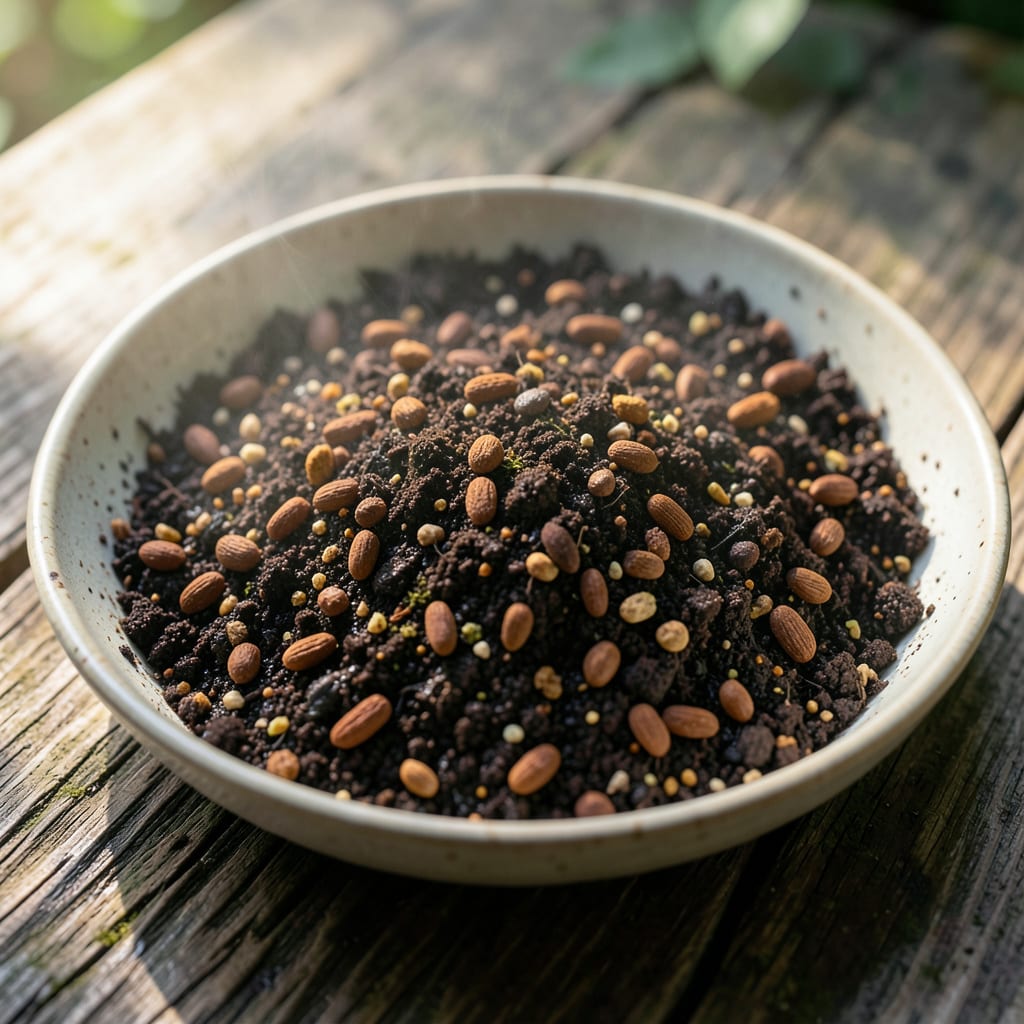
I noticed those brown spores in my seedling trays last spring. They looked alarming, but here’s the thing—most aren’t dangerous to your plants.
They’re usually just fungus feeding on organic matter in damp soil. Overwatering, poor drainage, or old potting mix can trigger an explosion of these spots overnight.
Removing them takes 5 minutes with a simple scrape-and-replace method. The key is letting the soil dry out between waterings and using fresh, sterile mix for new plantings.
You’ll see them disappear within a week with proper care, and your plants will thank you with healthier growth.
Brown spores on soil often signal fungal activity, which can stem from several environmental and biological factors. Here’s why it happens:
Fungi thrive in damp conditions. Overwatering, poor drainage, or high humidity create the perfect breeding ground for spores. When soil stays soggy, fungal structures like Fusarium or Rhizoctonia proliferate, releasing brown spores as part of their lifecycle.
Decaying leaves, wood chips, or uncomposted plant matter provide nutrients for fungi. As these materials break down, saprophytic fungi (e.g., Alternaria) feed on them, producing spores that appear as brown dust on the soil surface.
Most soil-borne fungi activate in warm conditions (70–85°F). Heat accelerates spore germination and spread, especially in gardens or potted plants with poor airflow. Brown spores may emerge as fungi colonize the soil.
Compacted or nutrient-poor soil weakens plants, making them vulnerable to fungal infections. Pathogens like Phytophthora exploit stressed roots, leading to spore-forming growths on the surface.
Addressing these triggers—improving drainage, removing debris, or aerating soil—can curb spore development.
Tackling brown spores on soil requires a mix of immediate action and long-term prevention. Below are targeted fixes based on common causes, along with tips to keep your soil healthy.
If excess moisture is the culprit, stop watering temporarily and let the soil dry out. For potted plants, ensure containers have drainage holes. For garden beds, mix in coarse sand or perlite to improve drainage. Water only when the top inch of soil feels dry.
Prevention tip:
Fungi thrive in stagnant air. Thin out dense plantings and prune overgrown foliage to allow airflow. If indoors, use a small fan to keep air moving. Outdoors, space plants according to their mature size.
Prevention tip:
Brown spores can signal poor soil health. Test your soil and amend it with compost or organic matter to restore balance. Avoid over-fertilizing, especially with nitrogen-heavy products, as this can feed fungal growth.
Prevention tip:
For visible fungal growth, carefully remove the top layer of affected soil and dispose of it in a sealed bag. Treat the remaining soil with a natural fungicide, like neem oil or a baking soda solution (1 tbsp baking soda + 1 gallon of water).
Prevention tip:
Most brown spores are harmless saprophytic fungi. They feed on decaying matter, not living plants. However, some pathogenic types can damage roots if left unchecked. Monitor plant health and act if you notice wilting or yellowing.
Improve airflow, reduce watering frequency, and use sterile potting mix. 1 inch of space between soil and pot rim helps. Remove organic debris promptly and avoid over-fertilizing, which feeds fungal growth.
Yes, if done correctly. Remove all affected soil, wash the pot with 1:10 bleach solution, and use fresh, sterile mix. This breaks the fungal lifecycle and gives your plant a clean start.
