
Beautiful Plants For Your Interior
Beautiful Plants For Your Interior
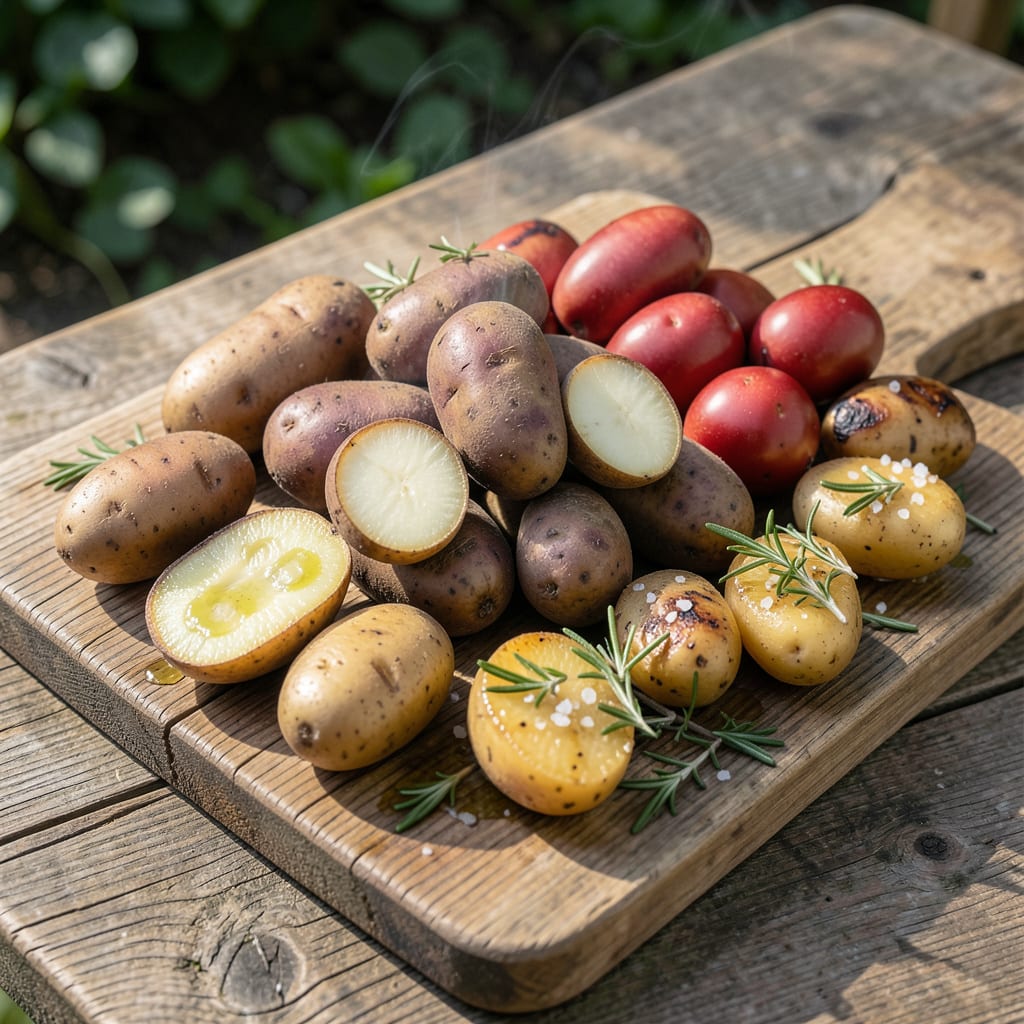
Potato blight nearly ruined my garden last year. I watched healthy plants turn to blackened stems in 48 hours, and I swore I’d find a better way.
Turns out, some potato varieties naturally resist this devastating disease. These aren’t just survivors—they produce full harvests even when blight pressure is high.
I now grow blight-resistant types that thrive without constant spraying. The plants stay green longer, the tubers develop properly, and I actually get to eat what I plant.
Works for home gardens, container growing, or any space where you want reliable results. Here’s what to plant.
Potato blight, particularly Phytophthora infestans (late blight), thrives under specific environmental and biological conditions. Understanding these causes helps in selecting blight-resistant varieties and implementing preventive measures.
Late blight spores require free water to germinate and infect potato foliage. Prolonged periods of high humidity (90%+) or leaf wetness (from rain, dew, or overhead irrigation) create ideal conditions for spore release and spread. Even resistant varieties can succumb if moisture persists for 12+ hours.
The pathogen thrives in cool to mild temperatures (60–78°F or 15–26°C). Rapid temperature swings—common in spring or fall—accelerate spore production. Resistant varieties are bred to tolerate these conditions but may still struggle in extreme or prolonged temperature stress.
Dense plantings or overcrowded fields restrict airflow, trapping moisture and increasing infection risk. Blight-resistant potatoes benefit from proper spacing (12–15 inches apart) and pruning lower leaves to improve ventilation.
Blight can overwinter in infected seed potatoes or contaminated soil. Using certified disease-free seed and practicing crop rotation (3+ years between potato plantings) are critical, even with resistant varieties.
Blight can be a persistent issue, but choosing the right potato varieties and applying practical solutions can turn things around. Here’s how to address common causes and prevent future outbreaks.
If fungal blight (early or late) is the culprit, swap susceptible potatoes for blight-resistant varieties like Sarpo Mira, Defender, or Bionica. These are bred to withstand fungal attacks, reducing the need for chemical treatments. Always rotate crops yearly to prevent soil-borne fungi from building up.
Prevention tip: 💡 Avoid overhead watering—use drip irrigation to keep foliage dry. Remove and burn infected plants immediately to stop the spread.
Dense plantings trap moisture, creating a breeding ground for blight. Space plants 12–15 inches apart and prune lower leaves to enhance airflow. Stake or cage taller varieties to keep foliage off the ground, where spores thrive.
Prevention tip: 🌬️ Plant in raised beds or well-draining soil to reduce humidity around roots and stems.
Blight can lurk in seed potatoes. Only use certified disease-free seeds from reputable suppliers. If saving your own, inspect them for dark spots or shriveled skin—toss any suspects.
Prevention tip: ✨ Treat seed potatoes with a copper-based fungicide before planting for an extra layer of protection.
Leaving potatoes in the ground too long increases exposure to late blight. Harvest when tubers are mature but before heavy rains, which can trigger outbreaks. Cure potatoes in a dry, ventilated space for 1–2 weeks to toughen skins against rot.
Prevention tip: 🎯 Monitor weather forecasts and aim to dig up potatoes during a dry spell.
They’ve been bred to withstand blight spores without chemical treatments. While regular types may collapse in 48 hours during wet weather, resistant ones like Sarpo Mira often show only minor leaf spotting. Their genetic traits slow the disease progression significantly.
It’s not recommended. While the tubers will be edible, saving seeds may not preserve full resistance. Always source certified disease-free seed potatoes to guarantee blight protection in next year’s crop.
Plant them 12–15 inches apart in rows 3 feet apart. This spacing improves airflow, reducing humidity that encourages blight. Proper spacing also allows for easier pruning of lower leaves.
No, flavor remains excellent. Varieties like Defender and Bionica offer the same great taste as traditional potatoes. Resistance is about plant health, not compromising on your harvest quality.
