
Beautiful Plants For Your Interior
Beautiful Plants For Your Interior
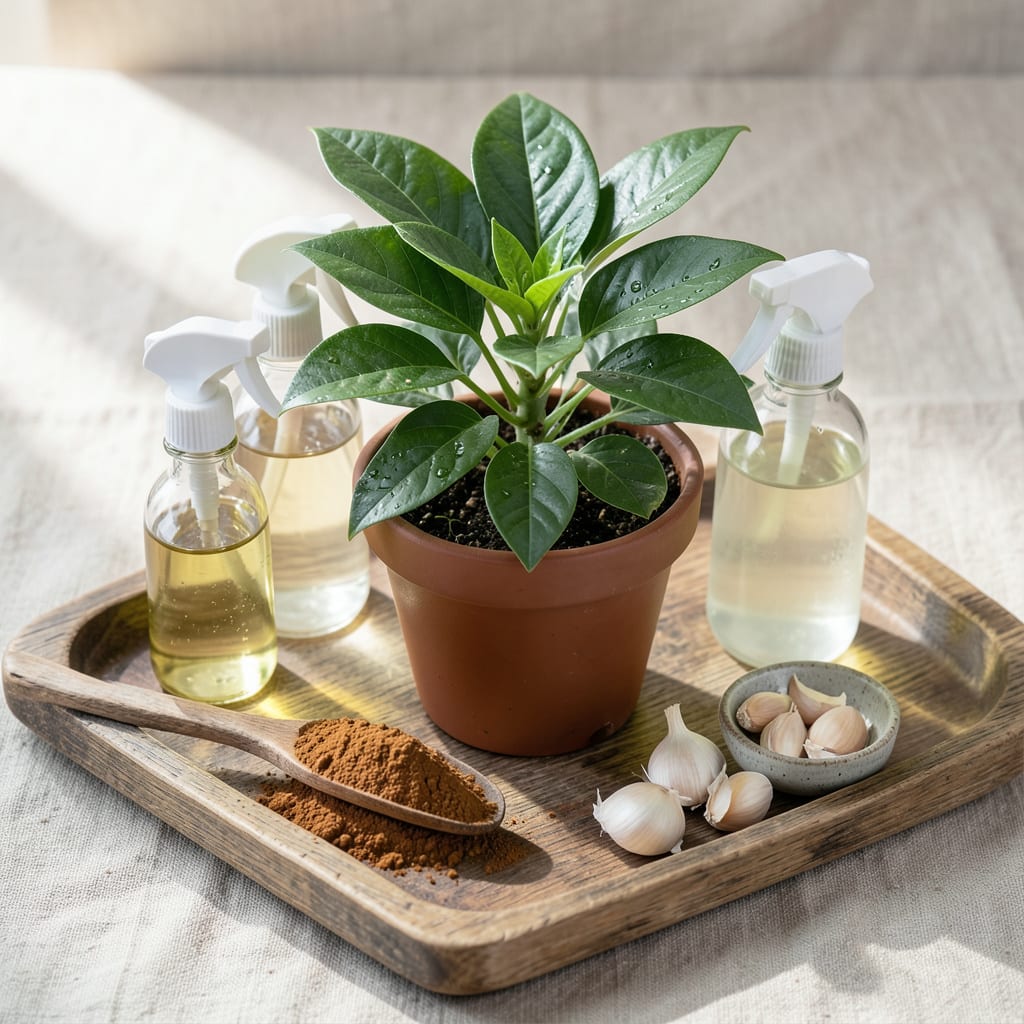
Yellow leaves and black spots don’t mean your plants are doomed. I’ve saved dozens from fungal attacks with simple, natural fixes that work fast.
The key is catching it early and hitting it with the right treatment. Most gardeners wait too long, but a 24-hour response can stop the spread completely.
You’ll see new growth return within a week, and your plants bounce back stronger. No harsh chemicals needed—just smart, targeted care.
Works on tomatoes, roses, and houseplants alike. Let’s tackle this together.
Fungal infections in plants often stem from a combination of environmental, biological, and cultural factors. Understanding these causes is key to prevention and effective treatment. Below are the most common triggers:
Fungi thrive in damp conditions. Overwatering, poor soil drainage, or high humidity create the perfect breeding ground for spores. Standing water on leaves or soil encourages pathogens like Phytophthora or Pythium, which attack roots and stems. Ensure pots have drainage holes and avoid overhead watering to reduce risk.
Many fungal spores activate in temperatures between 70–85°F (21–29°C) with high humidity. Greenhouses or crowded plantings with poor airflow exacerbate this. Powdery mildew and rust are common in such environments. Improve ventilation and space plants properly to limit spread.
Fungi can lurk in unsterilized potting mix or on gardening tools. Reusing infected soil or pruners without cleaning spreads pathogens like Fusarium or Verticillium. Always use pasteurized soil and disinfect tools with rubbing alcohol between uses.
Plants under stress—from nutrient deficiencies, pest damage, or improper lighting—are more susceptible to fungal attacks. A compromised immune system makes them easy targets for Botrytis (gray mold) or Anthracnose. Maintain plant health with balanced fertilization and proper care.
Stagnant air traps moisture on foliage, inviting fungal spores to settle and germinate. This is especially problematic in dense canopies or indoor settings. Prune regularly and use fans to promote airflow, reducing the likelihood of infections like downy mildew.
Fungal infections in plants can be stubborn, but with the right approach, you can restore your garden’s health. Below are targeted solutions for common causes, along with prevention tips to keep your plants thriving. 🌱✨
Fungi thrive in damp conditions. If overwatering or poor drainage is the culprit:
Stagnant air traps humidity, encouraging fungal growth.
Fungi can spread through dirty tools or infected soil.
Stressed plants are more vulnerable to infections.
Combine these fixes with natural treatments like neem oil or baking soda sprays for best results. Consistency is key—stay vigilant to keep fungi at bay!
Apply natural fungicides like neem oil every 7-10 days until symptoms disappear. For severe cases, switch to a copper-based spray every 5 days. Stop once new growth appears healthy for 2 weeks.
Yes, with early treatment and proper care! Remove all infected foliage first, then apply remedies consistently. Most plants show improvement within 1-2 weeks and full recovery in a month.
No, it’s risky. Fungal spores can survive in soil for months. Either bake soil at 200°F for 30 minutes to sterilize or replace it entirely. Always use clean pots too.
Often because the wrong remedy was used for the specific fungus. Powdery mildew needs different treatment than root rot. Also, inconsistent application gives fungi time to regrow.
