
Beautiful Plants For Your Interior
Beautiful Plants For Your Interior
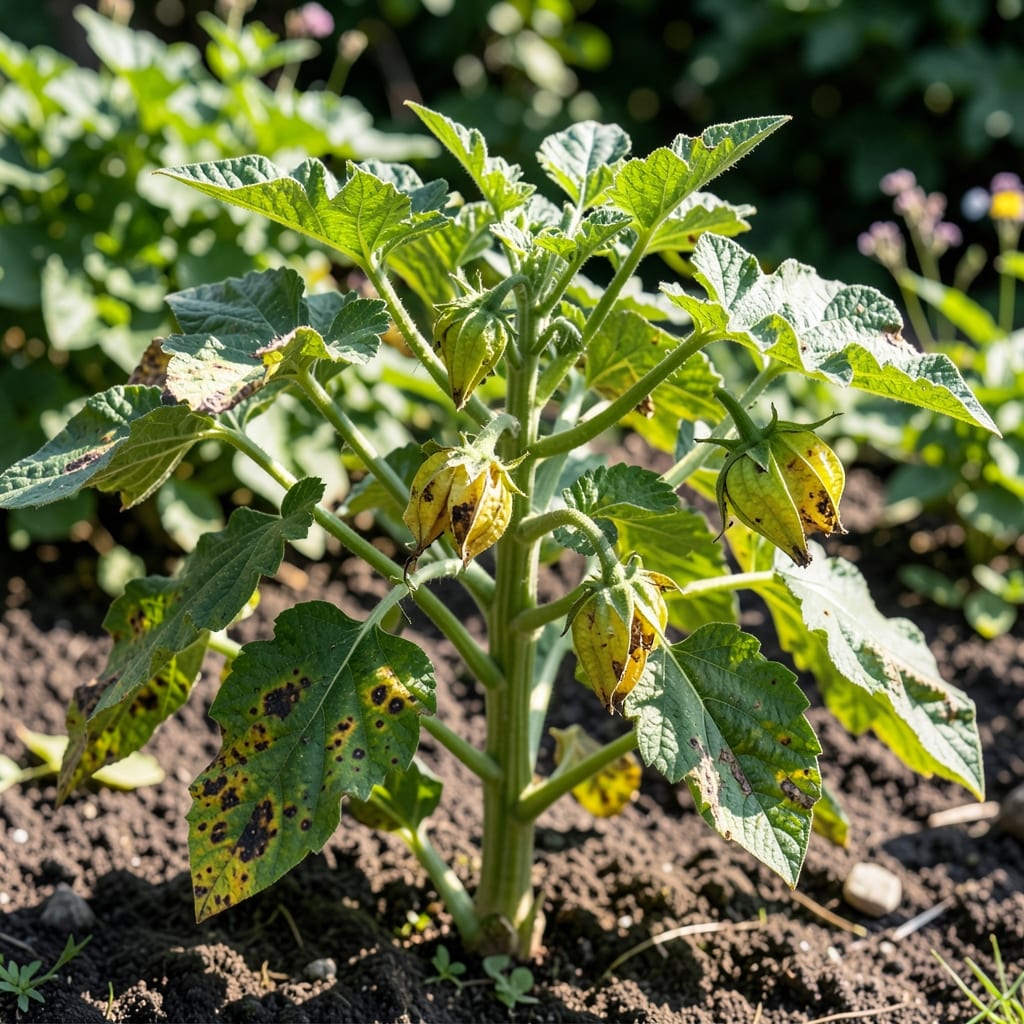
Yellowing leaves or strange spots on your tomatillo plants can turn excitement into panic fast. I’ve been there—watching healthy growth one week, then scrambling to diagnose the issue the next.
Most problems start with overwatering, poor airflow, or fungal spores lurking in the soil. The key is catching symptoms early: wilting, powdery patches, or brown stem lesions that spread overnight.
With the right approach, you can reverse damage and save your crop. Organic treatments like neem oil or copper sprays work, but prevention—proper spacing, drip irrigation, and crop rotation—is your best defense.
No need to lose sleep over it. Here’s how to spot trouble and stop it in its tracks before it takes over.
Tomatillo plants, like many garden crops, can fall victim to diseases due to a variety of environmental, biological, and cultural factors. Understanding why these issues arise is the first step toward prevention and treatment. Below are the primary causes behind common tomatillo plant diseases.
Fungal and bacterial diseases, such as early blight or powdery mildew, thrive in wet, humid conditions. Overwatering, poor soil drainage, or frequent rain can create a damp environment that encourages pathogen growth. Stagnant water on leaves or soil also promotes spore germination, leading to infections like Alternaria solani (early blight) or Phytophthora infestans (late blight).
Many tomatillo diseases are directly caused by specific pathogens. For example, anthracnose (Colletotrichum spp.) spreads through contaminated seeds, soil, or splashing water, while bacterial spot (Xanthomonas spp.) enters through wounds or natural leaf openings. These microorganisms can lie dormant in garden debris or soil, waiting for the right conditions to infect plants.
Insects like aphids, whiteflies, and flea beetles don’t just damage tomatillo plants—they can also transmit viral diseases. For instance, tomato mosaic virus (ToMV) and cucumber mosaic virus (CMV) often spread when pests feed on infected plants and then move to healthy ones. Physical damage from pests also creates entry points for secondary infections.
Crowded planting or lack of pruning restricts airflow, which traps moisture around leaves and stems. This stagnant, humid microclimate is ideal for fungal spores to settle and germinate. Diseases like powdery mildew (Oidium neolycopersici) and downy mildew (Pseudoperonospora spp.) flourish in such conditions, quickly spreading across the plant.
Tomatillos prefer moderate temperatures (70–85°F). Heat stress weakens plants, making them more susceptible to diseases, while sudden cold snaps can slow growth and reduce resistance. Temperature fluctuations can also trigger physiological disorders, leaving plants vulnerable to opportunistic pathogens.
Improper practices—such as over-fertilizing with nitrogen (which promotes lush, disease-prone foliage), failing to rotate crops, or using contaminated tools—can introduce or exacerbate disease pressure. Reusing soil or planting tomatillos in the same spot yearly allows pathogens to persist and reinfect new crops.
Dealing with tomatillo plant diseases doesn’t have to be overwhelming. Below are practical solutions for common issues, along with prevention tips to keep your plants thriving.
If you spot brown spots with concentric rings on lower leaves, remove infected foliage immediately to stop the spread. Avoid overhead watering to reduce humidity. Prevent future outbreaks by rotating crops yearly and using mulch to prevent soil splashing onto leaves. Copper-based fungicides can help if applied early.
These tiny pests suck sap and spread viruses. Spray them off with a strong stream of water, or use insecticidal soap for severe infestations. Prevent them naturally by introducing beneficial insects like ladybugs or planting companion herbs like basil. Neem oil also works as a deterrent.
White, powdery patches on leaves? Prune crowded branches to boost airflow and reduce humidity. Apply baking soda spray (1 tsp baking soda + 1 quart water + a few drops of soap) weekly. Prevent it by spacing plants properly and watering at the base in the morning.
Yellowing leaves and wilting? Overwatering or poor drainage may be to blame. Stop watering immediately and let the soil dry out. If the roots are mushy, trim affected areas and repot in fresh, well-draining soil. Prevent it by using raised beds or containers with drainage holes.
Small, water-soaked spots on leaves? Remove infected plants to contain the spread. Avoid working with wet plants to limit bacterial movement. Prevent it by disinfecting tools with rubbing alcohol and using drip irrigation instead of sprinklers.
Pro tip 💡: Healthy plants resist disease better! Strengthen your tomatillos with balanced fertilizer and consistent care to keep them resilient.
Yellowing leaves, brown spots, or white powdery patches often signal disease. Check undersides of leaves for pests or unusual growths. Early detection is key to saving your crop.
Space plants 2-3 feet apart for airflow and water at the base in the morning. Remove affected leaves immediately and avoid overhead watering to reduce humidity.
Yes! Neem oil works for pests and fungi, while baking soda spray combats powdery mildew. Copper fungicides are effective for bacterial issues but use sparingly.