
Beautiful Plants For Your Interior
Beautiful Plants For Your Interior
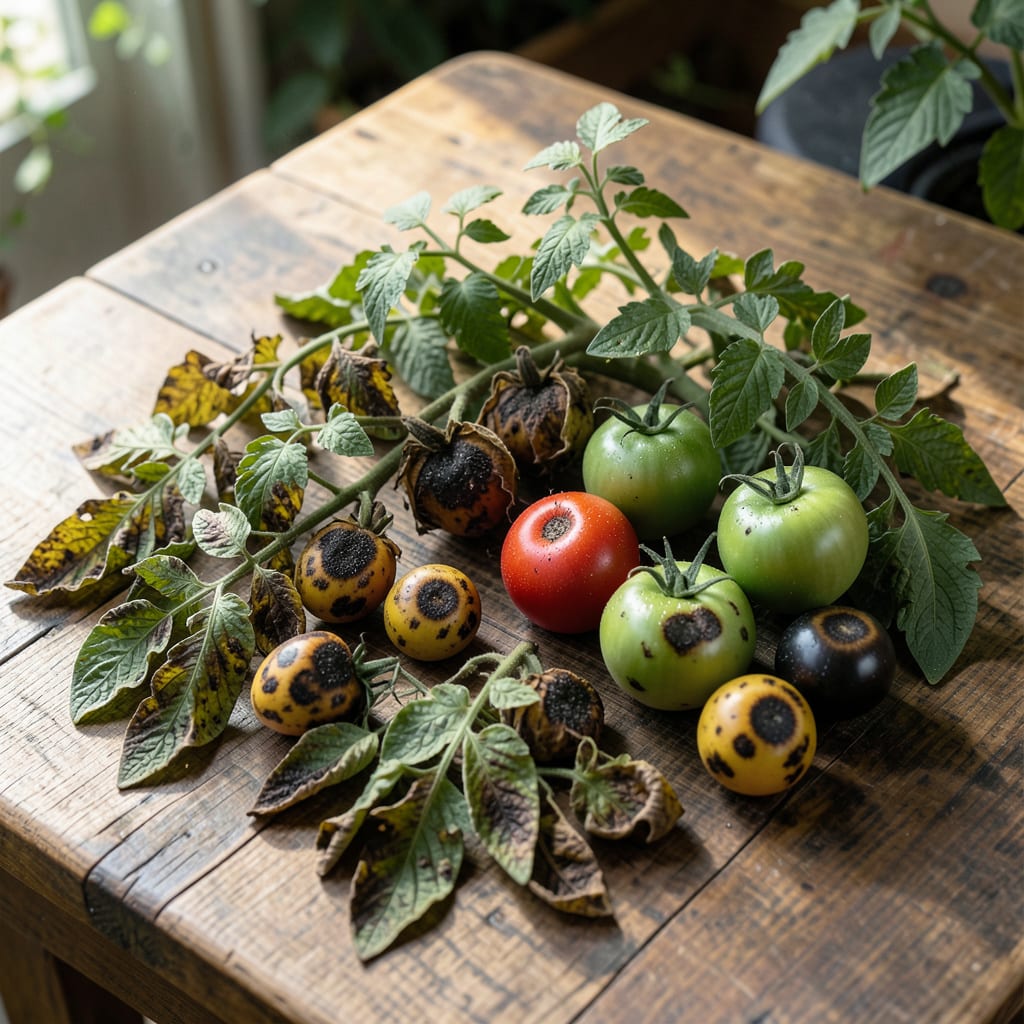
Spotted brown leaves on your tomatoes mean trouble. 🌱 I lost an entire crop to blight my second year, and I’m sharing how to catch it before it spreads like wildfire through your garden.
Blight shows up as dark spots on leaves, stems, or fruit, often with a white mold ring. It thrives in wet, humid conditions and can wipe out plants in 48 hours if ignored. Early detection is your best defense.
Organic treatments like copper sprays or baking soda solutions slow it down, but prevention wins every time. Proper spacing, drip irrigation, and crop rotation keep your plants blight-free season after season.
Start checking leaves daily once temperatures hit the 70s. Your tomatoes depend on it.
Tomato blight is a frustrating issue, but understanding its root causes can help you prevent it. Below are the primary reasons why this disease takes hold in your garden.
Blight is primarily caused by fungal pathogens like Phytophthora infestans (late blight) and Alternaria solani (early blight). These fungi thrive in warm, wet conditions, spreading rapidly through spores carried by wind, water, or contaminated tools. Late blight, in particular, can devastate plants within days if left unchecked.
Excessive moisture is a major catalyst. Overhead watering, poor drainage, or high humidity create the perfect breeding ground for fungal spores. Tomatoes planted in crowded spaces with limited airflow are especially vulnerable, as stagnant air traps moisture on leaves.
Blight can linger in soil or on plant debris from previous seasons. Using contaminated seed starters or planting in unsterilized soil introduces the fungus directly to your garden. Even seemingly healthy seedlings from unreliable sources may carry latent infections.
Planting tomatoes (or other nightshades like potatoes or peppers) in the same spot year after year depletes the soil and allows fungal spores to accumulate. Without rotation, the pathogen load builds up, increasing the risk of blight outbreak.
Addressing these causes with proper spacing, hygiene, and resistant varieties can significantly reduce blight’s impact.
Blight can be frustrating, but with the right approach, you can save your tomato plants. Below are targeted solutions for each type of blight, along with prevention tips to keep your garden thriving. 🌱
Fix: Remove infected leaves immediately to stop the spread. Apply a copper-based fungicide or a homemade remedy like a baking soda spray (1 tsp baking soda, 1 quart water, and a few drops of dish soap). Spray every 7–10 days or after rain.
Prevention: 💡 Rotate crops yearly, avoid overhead watering, and space plants for good airflow. Mulch with straw to prevent soil-borne spores from splashing onto leaves.
Fix: Act fast—late blight spreads quickly! Remove and destroy (do not compost) infected plants. Use a potassium bicarbonate spray or neem oil to protect healthy plants. For severe cases, pull up all affected plants to save the rest.
Prevention: 🌡️ Plant blight-resistant tomato varieties like ‘Mountain Merit’ or ‘Defiant.’ Water early in the day so foliage dries quickly. Avoid planting tomatoes in the same spot every year.
Fix: Prune infected leaves and apply a sulfur-based fungicide or a chamomile tea spray (steep chamomile in water, strain, and spray). Remove plant debris from the soil to reduce spores.
Prevention: ✨ Keep the garden clean by removing fallen leaves and weeds. Use drip irrigation to keep leaves dry, and stake plants to improve circulation.
Consistency is key—stick to a treatment schedule and monitor plants regularly. Healthy soil and proper care go a long way in preventing blight before it starts!
Early blight starts as small brown spots with concentric rings on lower leaves. Late blight appears as large, greasy gray patches on leaves and fruit. Both spread quickly in wet conditions.
No, blight won’t disappear without intervention. Remove infected parts immediately and apply fungicides. Left untreated, it can destroy your entire crop in 48 hours.
It’s risky. Fungal spores can survive in soil for years. Solarize the soil with clear plastic for 4-6 weeks or replace the top 6 inches with fresh, sterile mix.
Yes! Try ‘Mountain Merit’, ‘Defiant’, or ‘Jasper’ for late blight resistance. These varieties are bred to withstand fungal attacks better than traditional types.
