
Beautiful Plants For Your Interior
Beautiful Plants For Your Interior
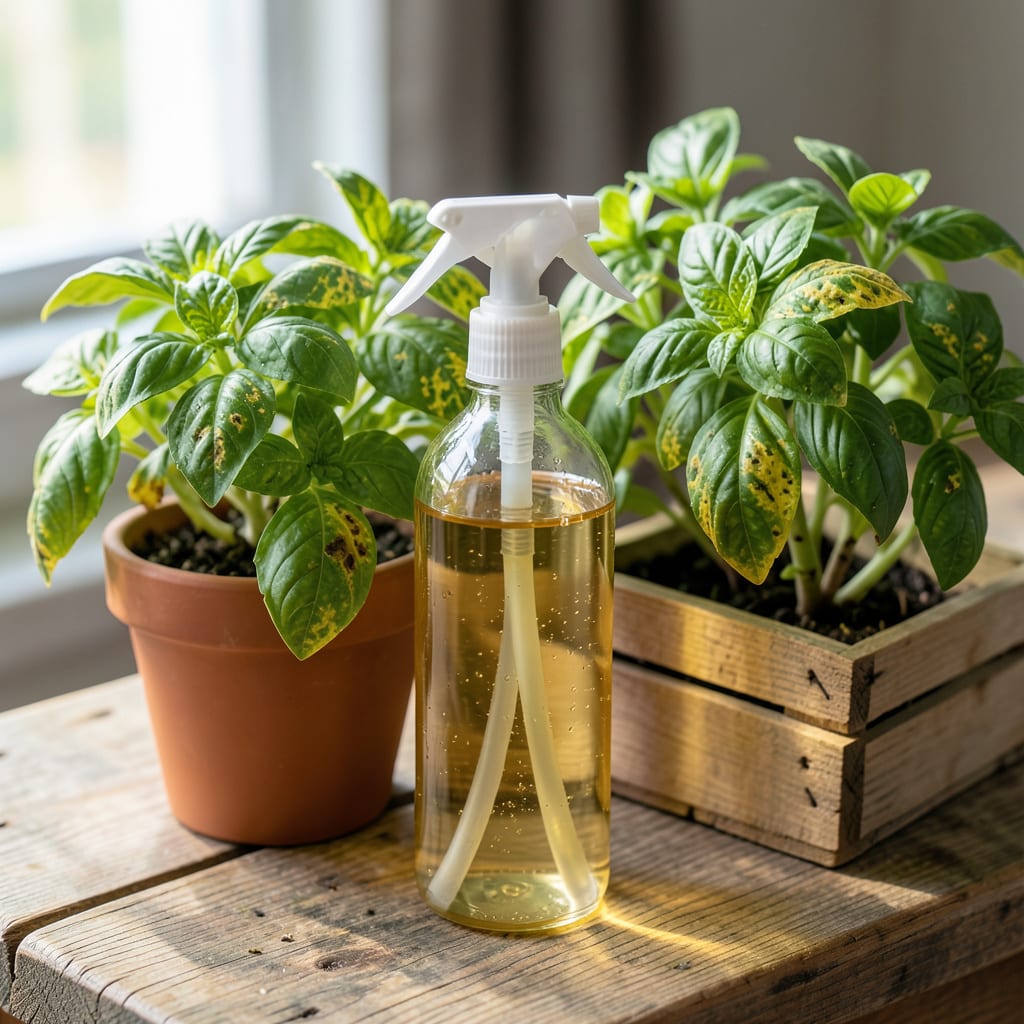
Yellowing leaves and fuzzy gray undersides mean downy mildew has moved in. I lost half my basil crop to this last summer before learning the organic treatments that actually work.
This fungus thrives in damp, cool conditions, turning vibrant green leaves into a sad, diseased mess overnight. The key is catching it early and using the right approach—chemical fungicides often do more harm than good.
With simple sprays made from household items, you can stop the spread and restore your plants’ health. Prevention is even easier: proper spacing, airflow, and watering habits make all the difference.
Your basil will bounce back with vibrant, disease-free foliage, ready for harvesting. Here’s how to take action before it’s too late.
Downy mildew on basil isn’t just bad luck—it’s a perfect storm of environmental and biological factors. This disease, caused by the water mold Peronospora belbahrii, thrives under specific conditions that compromise your plant’s defenses. Here’s why it happens:
This pathogen loves wet, humid environments. When basil leaves stay damp for extended periods (especially overnight), spores germinate and infect the tissue. Poor air circulation—common in dense plantings or greenhouses—exacerbates the problem by trapping moisture. Actionable tip: Space plants 12–18 inches apart and water at the base to keep foliage dry.
Downy mildew spreads fastest in 60–75°F (15–24°C) ranges, especially when paired with high humidity. Basil grown in cooler spring/fall seasons or shaded areas is more vulnerable. Sudden temperature drops (e.g., nighttime chills) can also stress plants, weakening their resistance.
Not all basil is equally at risk. Sweet basil (Ocimum basilicum) and its cultivars (e.g., Genovese) are highly susceptible, while some newer hybrids (like ‘Prospera’ or ‘Amazon’) show resistance. If you’re replanting in the same spot, spores from previous infections can linger in the soil, reinfecting new crops.
The fungus overwinters in plant debris and can hitchhike on unsterilized tools, pots, or infected seedlings. Even water splashing from contaminated soil can spread spores to healthy leaves. Actionable tip: Disinfect pruners with rubbing alcohol and rotate crops to break the disease cycle.
Downy mildew on basil can be frustrating, but these practical fixes will help you restore your plants’ health. Below are cause-specific solutions, paired with prevention tips to keep your basil thriving. 🌿
Crowded plants trap moisture, creating the perfect environment for downy mildew. Fix: Thin out your basil plants so there’s at least 6–12 inches of space between them. If growing indoors, use a small fan on low to keep air moving. For potted basil, ensure containers aren’t packed too closely together.
Prevention: Space seedlings properly from the start, and avoid overcrowding in garden beds or containers.
Overhead watering and soggy soil invite fungal growth. Fix: Water basil at the base in the morning so leaves dry quickly. Use drip irrigation or a watering can with a narrow spout to target the soil. If downy mildew is active, reduce watering frequency until the soil’s top inch feels dry.
Prevention: Ensure your soil drains well—mix in compost or perlite if needed. Always water early in the day to give leaves time to dry.
Fungal spores can linger in soil or on gardening tools. Fix: Remove and discard heavily infected plants (don’t compost them). For mild cases, treat soil with a copper-based fungicide or a baking soda solution (1 tsp baking soda + 1 quart water + a few drops of dish soap). Sterilize pruners or shears with rubbing alcohol between uses.
Prevention: Rotate crops yearly, and avoid planting basil in the same spot repeatedly. Clean tools after each use.
Basil loves warmth but hates high humidity. Fix: If growing indoors, use a dehumidifier or place plants in a room with lower humidity (aim for 40–60%). For outdoor plants, consider a fungicide like potassium bicarbonate as a preventive spray during damp seasons.
Prevention: Group basil with other moisture-loving herbs (like mint) sparingly, as this can raise humidity levels around them.
Pro Tip 💡: Regularly inspect the undersides of leaves for early signs of downy mildew (yellowing or grayish fuzz). Catching it early makes treatment much easier!
Apply baking soda or copper-based sprays every 7-10 days as prevention, or every 5 days during active outbreaks. Always spray in dry conditions for best results.
Yes, neem oil works as both fungicide and insecticide. Mix 1 tablespoon with 1 gallon of water and spray weekly. It’s most effective as a preventive measure.
Treat in the morning so leaves dry quickly in sunlight. Evening applications can leave plants damp overnight, encouraging more fungal growth.
Severely damaged leaves won’t recover, but new growth will be healthy after treatment. Remove infected leaves immediately to prevent spreading.
