
Beautiful Plants For Your Interior
Beautiful Plants For Your Interior
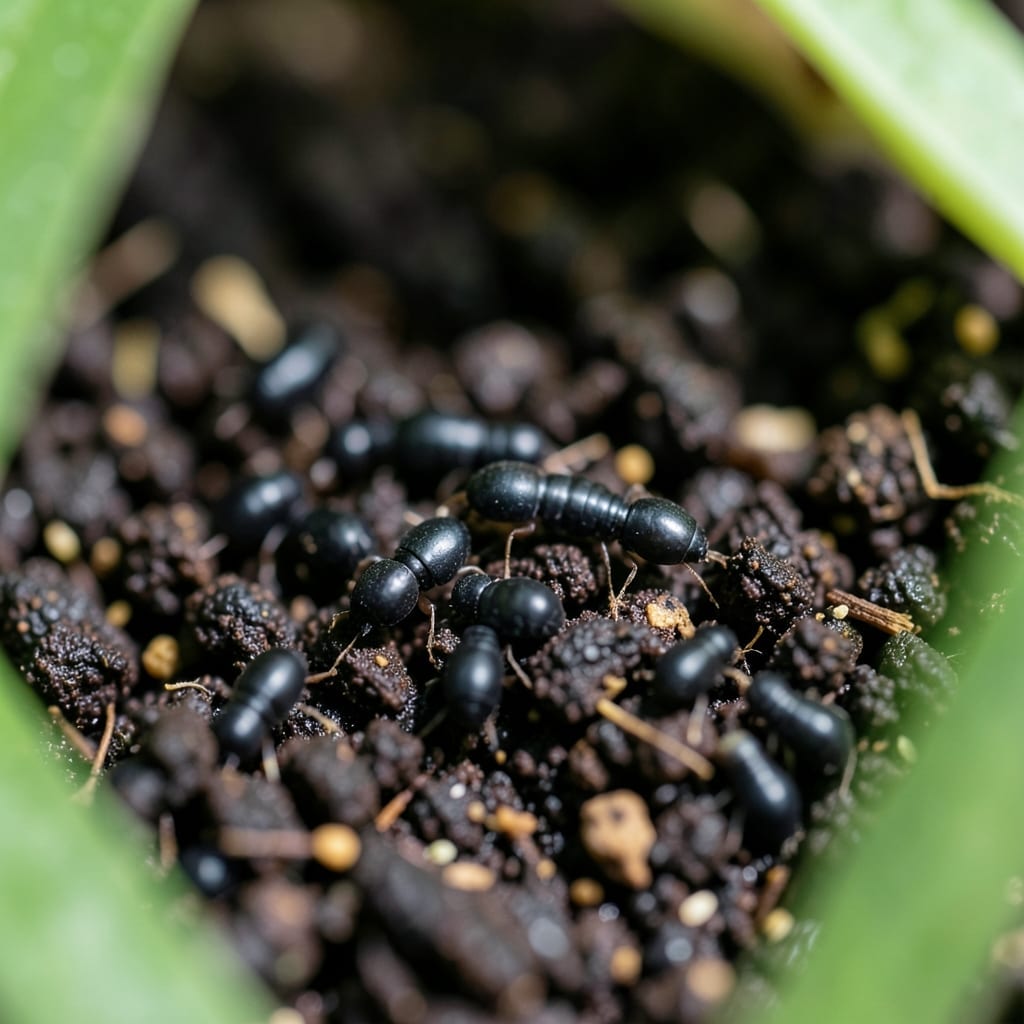
Those little black specks moving in your plant soil aren’t dirt. I’ve battled them in everything from houseplants to seedling trays, and they’re always a sign your soil’s too wet or too rich.
They’re usually fungus gnats, and they love damp conditions. Left unchecked, they’ll multiply fast, but the good news is they’re easy to control with a few simple changes.
You’ll start seeing fewer adults within 2-3 days of adjusting your watering routine. The larvae disappear soon after, and your plants bounce back stronger.
Works for any indoor or outdoor setup. Here’s how to spot the difference between harmless bugs and real pests.
Tiny black bugs in plant soil often appear due to a few common environmental and care-related triggers. Understanding these causes helps you prevent and address the issue effectively. Below are the primary reasons these pests thrive in your potted plants.
Excess moisture is the #1 culprit behind fungal gnats and other soil-dwelling pests. When soil stays soggy, it creates an ideal breeding ground for eggs and larvae. Poor drainage in pots exacerbates the problem, as water pools at the bottom, promoting fungal growth that attracts bugs. Always ensure your pots have drainage holes and use well-draining soil mixes.
Unfinished compost, decomposed leaves, or old mulch in the soil provide a buffet for bugs. These materials break down slowly, releasing nutrients that draw in pests like fungus gnat larvae and springtails. If you use organic fertilizers or homemade compost, make sure they’re fully decomposed before mixing them into your plant’s soil.
Sometimes, the bugs hitch a ride into your home via pre-contaminated soil or unsterilized gardening tools. Cheap or reused potting soil may contain pest eggs, while shared tools can transfer larvae between plants. Sterilize your tools with rubbing alcohol and opt for high-quality, sterile potting mixes to minimize risks.
Tiny black bugs thrive in warmth and humidity, which is why they’re common in indoor plants. Greenhouses, bathrooms, or kitchens with high humidity levels accelerate their lifecycle. To counteract this, improve airflow around your plants with a small fan and maintain moderate humidity levels (40-60%) in your growing space.
Dealing with tiny black bugs in your plant soil can be frustrating, but these practical solutions will help you regain control. Below are targeted fixes for common causes, along with prevention tips to keep your plants healthy.
If excess moisture is attracting fungus gnats or other pests, allow the top 1-2 inches of soil to dry out between waterings. Use a moisture meter to monitor levels, or stick your finger in the soil to test. Pro tip: 💡 Switch to pots with drainage holes to prevent waterlogging.
Decaying leaves or uneaten compost can harbor pests. Gently remove the top layer of soil and replace it with fresh, sterile potting mix. For stubborn infestations, repot the entire plant, shaking off old soil and rinsing the roots.
Compacted soil traps moisture and invites bugs. Mix in perlite, sand, or orchid bark to aerate the medium. Elevate pots with feet or a tray to ensure proper drainage. Pro tip: ✨ Add a thin layer of sand or gravel on top of the soil to deter surface-dwelling pests.
Prevention: 🎯 Quarantine new plants for 2-3 weeks before introducing them to your collection, and inspect soil regularly for early signs of bugs.
Most tiny black soil bugs, like fungus gnats, won’t seriously harm mature plants. However, their larvae can damage young seedlings and roots in large numbers. Act quickly to prevent them from multiplying.
Fungus gnats are tiny, dark, and fly weakly near soil. If they jump instead, they’re likely springtails. Check for white larvae in damp soil to confirm fungus gnats.
Repotting with fresh, sterile soil can help, but only if you remove all old soil and rinse the roots. Otherwise, pests may hitch a ride to the new pot. Always sterilize tools too.
A 1:4 vinegar-water mix can kill adults on contact, but avoid soaking soil—it may harm plants. Better for surface spray than root treatment.