
Beautiful Plants For Your Interior
Beautiful Plants For Your Interior
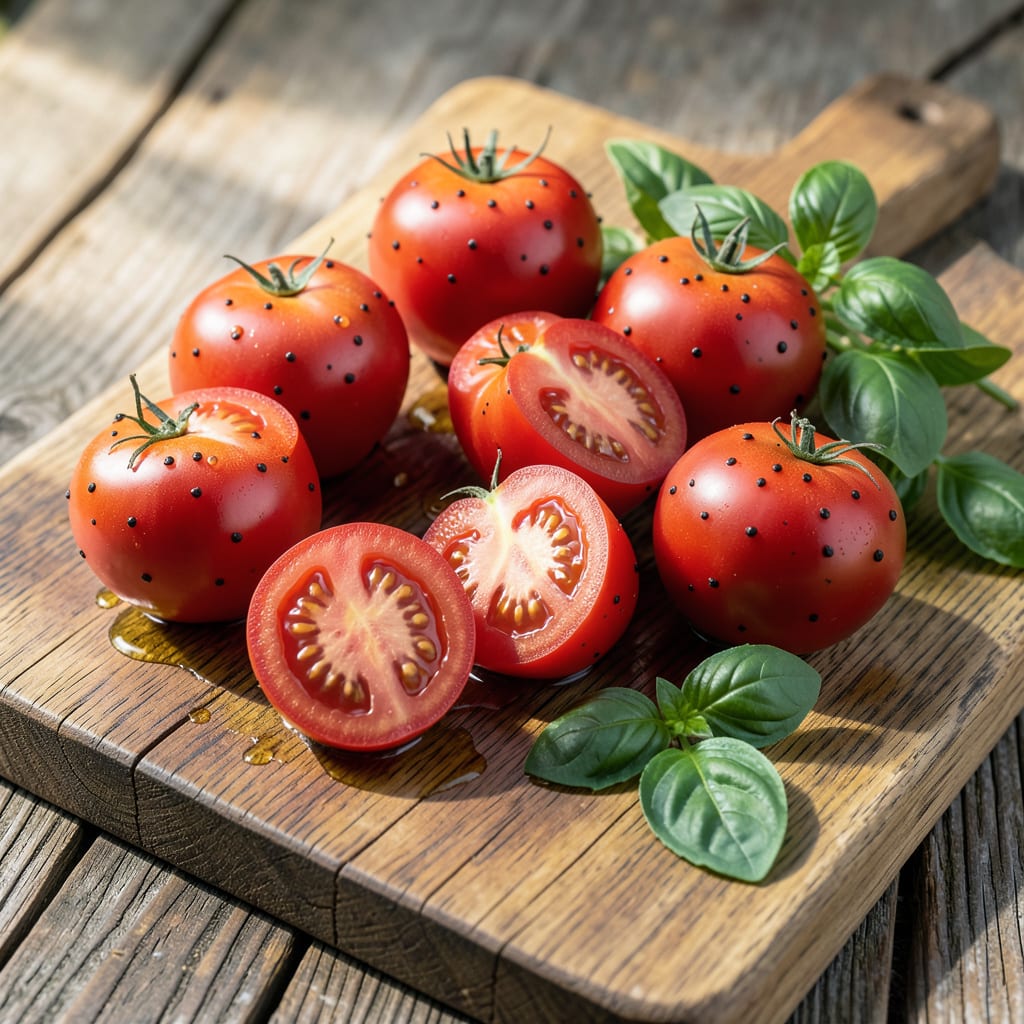
Those tiny black spots on your tomatoes aren’t just unsightly—they’re a warning sign. I first noticed them last season on my heirlooms, and ignoring them cost me nearly half my crop.
Early detection is everything. These spots usually signal fungal diseases, pest damage, or environmental stress. The good news? Most causes are treatable if you act fast with the right approach.
I’ve tested organic sprays, cultural fixes, and even simple pruning techniques that stopped the spread within days. Your plants can recover, but timing matters.
We’ll cover how to diagnose the exact issue and rescue your plants before it’s too late. No advanced tools required—just observation and quick action.
Tiny black spots on tomatoes often signal underlying issues that disrupt plant health. Below are the most common causes, explained with actionable insights.
Pathogens like Alternaria solani (early blight) or Septoria lycopersici thrive in warm, humid conditions. They produce dark, concentric lesions on leaves and fruit. Prevent by improving airflow, avoiding overhead watering, and applying copper-based fungicides at first sign.
Sap-sucking insects (e.g., aphids, whiteflies) leave behind sticky honeydew, which attracts sooty mold—a black fungus that forms spots. Control pests with neem oil or insecticidal soap, and wash off mold with a mild soap solution.
Blossom end rot (though typically brown) can sometimes manifest as dark flecks due to calcium deficiency, triggered by uneven watering or soil pH imbalances. Fix by maintaining consistent moisture and adding lime or gypsum to soil.
Potassium or magnesium shortages may cause dark speckling on fruit. Remedy with balanced fertilizers (e.g., 10-10-10) or Epsom salt sprays for magnesium.
Here’s how to tackle those pesky black spots on your tomatoes, based on the most common causes:
Fix: Remove affected leaves and fruits immediately to stop the spread. Apply a copper-based fungicide or a homemade mix of 1 tsp baking soda + 1 quart water + a few drops of dish soap. Spray every 7–10 days, especially after rain.
Prevent: Improve air circulation by pruning dense foliage. Water at the base (not overhead) and avoid wet leaves. Use mulch to reduce soil splashing onto plants. 💡 Rotate crops next season to prevent recurrence.
Fix: Blast pests off with a strong stream of water or apply neem oil or insecticidal soap. For severe infestations, introduce beneficial insects like ladybugs.
Prevent: Inspect plants regularly, especially undersides of leaves. Use row covers early in the season to block pests. ✨ Companion plant with marigolds or basil to repel invaders.
Fix: For blossom end rot, add calcium-rich amendments (crushed eggshells or lime) to the soil. For sun scald, provide shade cloth during peak afternoon hours.
Prevent: Maintain consistent soil moisture—avoid drought followed by overwatering. Ensure plants get 6–8 hours of sunlight but protect fruits from direct, harsh rays. 🎯 Stake or cage plants to improve air flow and reduce stress.
Fix: Test your soil and amend with gypsum (calcium) or Epsom salt (magnesium). Foliar sprays can deliver quick results.
Prevent: Start with well-balanced, compost-enriched soil. Feed plants with a balanced fertilizer (10-10-10) every 2–3 weeks during growing season. 🌱 Avoid over-fertilizing with nitrogen, which can block calcium uptake.
Remove affected fruit immediately to prevent spread. While some spots are superficial, fungal spores can infect other plants.
Yes, if the spots are minor and only on the skin. Wash thoroughly and cut away any damaged areas. Avoid eating fruit with soft or moldy spots.
Neem oil starts working within 24-48 hours but may require multiple applications. Reapply every 5-7 days or after rain for best results.
Yes, but less commonly. Greenhouses reduce pest and fungal exposure, but poor ventilation or high humidity can still cause issues. Ensure good airflow.
