
Beautiful Plants For Your Interior
Beautiful Plants For Your Interior
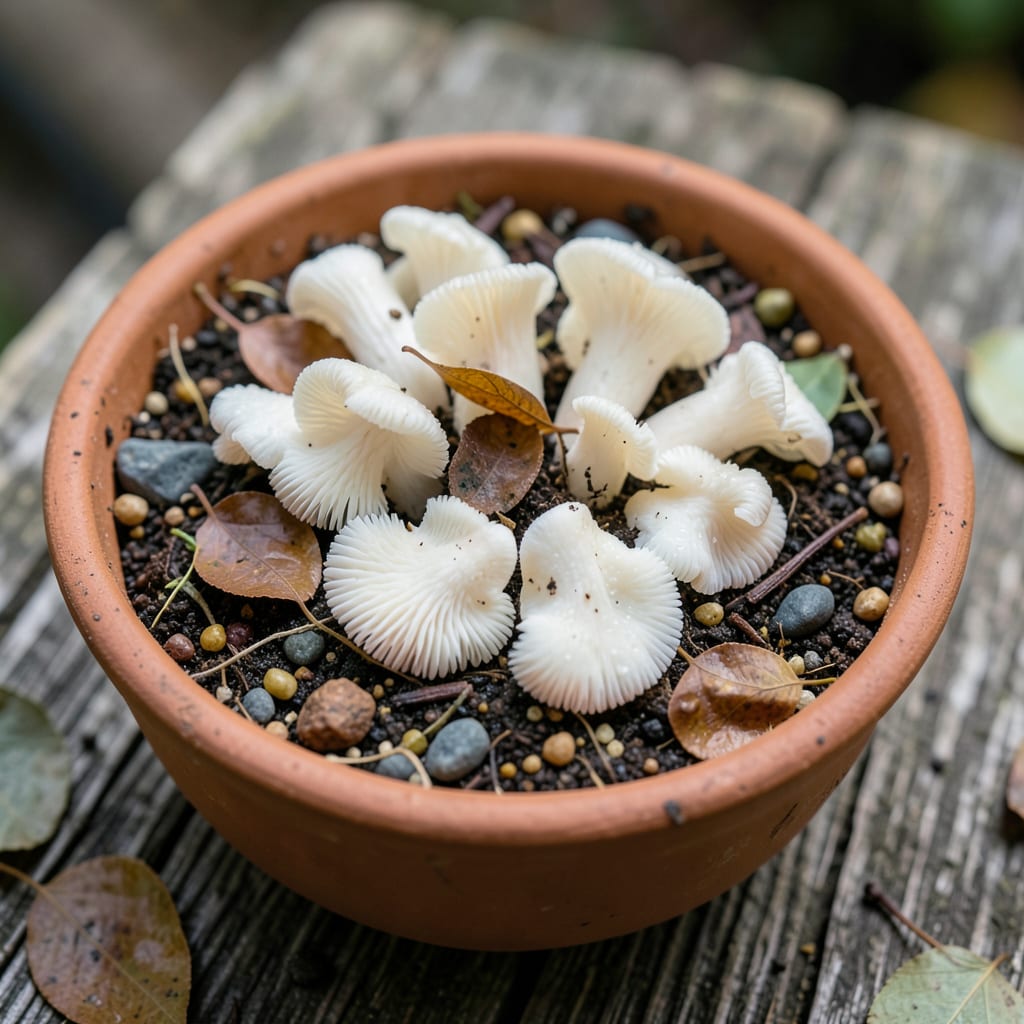
That white fuzz on your soil isn’t always a death sentence. I’ve seen it pop up overnight in potting mixes and panic every new gardener—but most times, it’s harmless and fixable.
Here’s the thing—it usually means too much moisture, poor airflow, or organic matter breaking down. The good news? A few tweaks to your routine can stop it in its tracks and keep your plants thriving.
You’ll learn to spot the difference between harmless fungi and dangerous mold, plus simple fixes that work in 24-48 hours. No fancy equipment needed.
Works for houseplants, seedlings, or garden beds. Let’s clear it up for good.
White fungus in plant soil often stems from environmental and cultural conditions that favor fungal growth. Below are the most common causes, explained with actionable insights.
Overwatering or poor drainage creates a damp environment where fungi like Saprophytic mold thrive. Soil that stays soggy lacks oxygen, allowing spores to germinate and spread. Fix it: Let the top 1–2 inches of soil dry between waterings and ensure pots have drainage holes.
Decaying leaves, wood, or uncomposted organic matter feed fungal growth. These materials release nutrients that opportunistic fungi consume. Fix it: Remove fallen leaves and use well-aged compost to minimize fresh, decomposing material.
Stagnant air traps humidity around the soil surface, accelerating fungal development. This is common in crowded plant setups or enclosed terrariums. Fix it: Space plants apart, use a small fan for airflow, or open terrariums periodically.
Reusing potting mix or dirty tools can introduce fungal spores. Many commercial soils contain dormant fungi that activate under wet conditions. Fix it: Sterilize soil by baking (200°F for 30 minutes) or use a fresh, high-quality potting mix.
Insufficient light slows evaporation, keeping soil moist longer. Shady spots or indoor corners with weak lighting are prime fungal habitats. Fix it: Move plants to brighter areas or supplement with grow lights to speed up soil drying.
White fungus on your plant soil can be unsightly and harmful, but it’s often easy to fix. Below are practical solutions for the most common causes, along with prevention tips to keep your plants healthy.
If excess moisture is the culprit, stop watering immediately and let the soil dry out. Remove any visible mold with a spoon or paper towel. To prevent recurrence, water only when the top inch of soil feels dry. Use pots with drainage holes and empty saucers after watering to avoid standing water.
💡 Pro Tip: Consider switching to a well-draining soil mix with perlite or sand to improve aeration.
Fungus thrives in stagnant air. Move your plant to a breezier spot or use a small fan to promote airflow. If your plants are indoors, open windows regularly. For outdoor plants, space them farther apart to allow air to circulate freely.
Remove dead leaves, fallen petals, or other debris from the soil surface, as these can feed fungal growth. Gently rake the top layer of soil to disrupt mold and expose it to air. Avoid using thick mulches that retain too much moisture.
If over-fertilizing is the issue, flush the soil with water to remove excess salts. Switch to a balanced, slow-release fertilizer and follow the recommended dosage. Add a layer of cinnamon (a natural antifungal) to the soil surface to inhibit mold growth.
For persistent fungus, apply a diluted hydrogen peroxide solution (1 part 3% peroxide to 4 parts water) to the soil. Alternatively, sprinkle baking soda mixed with water (1 tsp per quart) on the affected area. These are safe, natural options that won’t harm your plants.
✨ Prevention Reminder: Always use clean pots and tools, avoid overcrowding plants, and monitor humidity levels to keep fungus at bay.
Most white soil fungus is harmless saprophytic mold that breaks down organic matter. It rarely harms healthy plants but can indicate conditions that may lead to root rot. Remove visible growth and adjust care to prevent spread.
With proper treatment like improved airflow and reduced watering, you should see improvement in 24-48 hours. Stubborn cases may take up to 1 week to fully clear. Consistency in care is key.
Avoid vinegar—it can alter soil pH and damage roots. Stick to gentler options like hydrogen peroxide or cinnamon. These are effective without harming your plants.
