
Beautiful Plants For Your Interior
Beautiful Plants For Your Interior
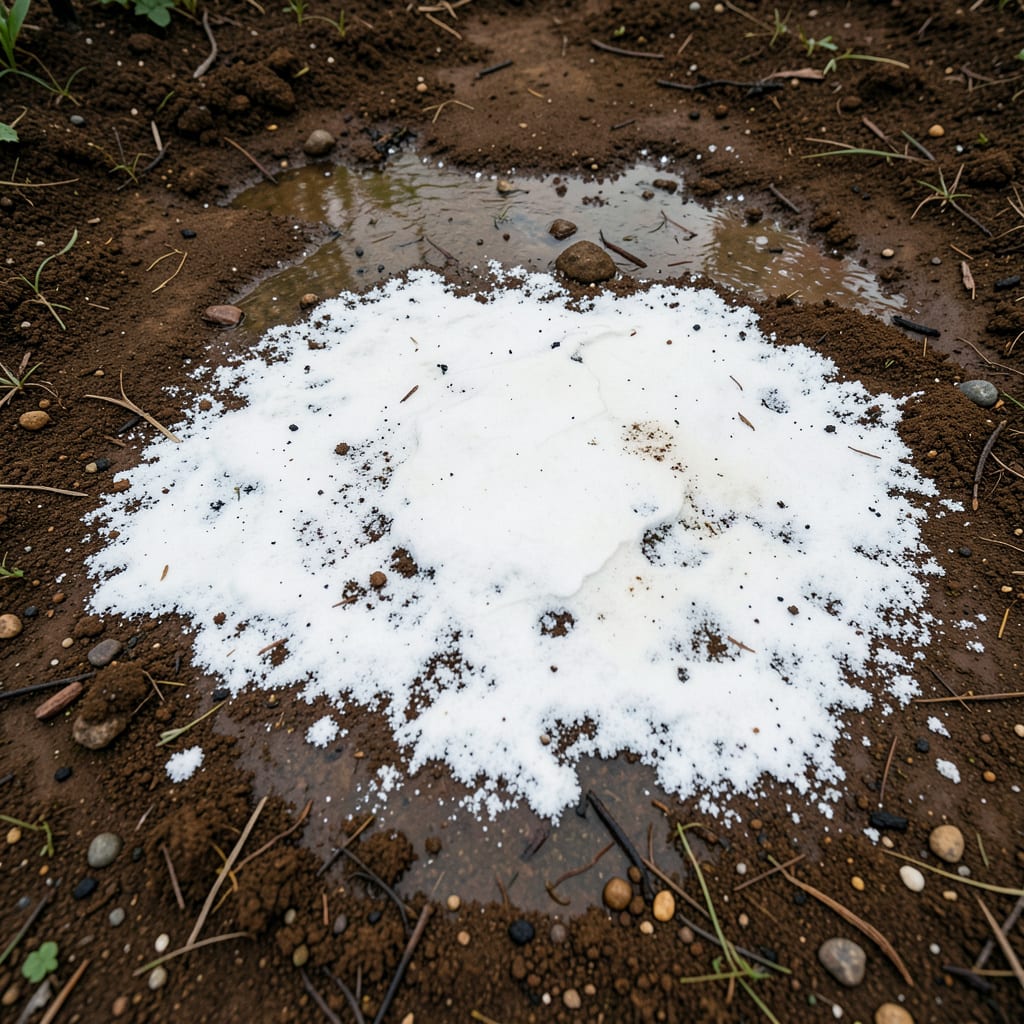
Noticed a white layer on your soil? It’s probably not what you think. I’ve seen this in my own gardens, and the cause varies from harmless mineral deposits to more serious fungal issues that need attention.
Here’s the thing—identifying the difference is key. A simple test with vinegar or water can reveal if it’s salts, mold, or something else. Once you know, fixing it is straightforward and prevents long-term problems for your plants.
📚 In This Guide
Here’s how I diagnose the issue and fix it without harming your plants or garden.
First, I check whether the white layer is fuzzy, powdery, or crusty to the touch. A soft, mold-like texture usually indicates fungal growth, while a hard, chalky layer suggests mineral deposits from water or fertilizer buildup. Look closely at the surface and note if it appears in patches or evenly across the soil.
I also observe where it’s most concentrated. If it’s around the base of plants or in shaded, damp areas, it’s likely mold. If it’s on the surface of pots or garden beds after watering, it’s probably mineral residue. This distinction is critical for choosing the right treatment.
For fuzzy or powdery white mold, I reduce watering immediately. Overwatering and poor drainage create the perfect environment for fungal growth. Let the top 1-2 inches of soil dry out completely between waterings to disrupt the mold’s life cycle.
Increase airflow by spacing plants further apart or using a small fan on low for indoor gardens. I’ve found that even a gentle breeze for 2-3 hours daily can prevent mold from returning. For outdoor beds, thinning dense foliage helps sunlight and air reach the soil surface.
If the layer is thick or widespread, I carefully scrape off the top ¼ inch of soil with a clean trowel or spoon. This removes most of the mold or mineral buildup without disturbing plant roots. Dispose of the affected soil in a sealed bag, not in the compost, to avoid spreading spores.
For mineral deposits, I sometimes rinse the soil surface with distilled water to dissolve and wash away excess salts. This works best for container plants where I can control drainage. Avoid using tap water for this, as it may add more minerals.
For persistent mold, I mix 1 part hydrogen peroxide (3%) with 4 parts water and lightly spray the soil surface. The oxygen released kills mold spores on contact without harming plants. I apply this in the morning so the soil can dry out during the day.
Another effective option is sprinkling cinnamon over the soil. It has natural antifungal properties and is safe for most plants. I reapply after watering or rain until the mold disappears, which usually takes 1-2 weeks.
For mineral deposits, I top-dress the soil with 1 inch of compost to dilute the concentration of salts and improve soil structure. This helps prevent future buildup while adding beneficial microbes.
Here’s what I’ve learned through trial and error to keep your soil healthy.
Texture Clues: In Step 1, the difference between fuzzy mold and crusty minerals is everything. Fungal growth often appears in damp, shaded spots, while mineral deposits show up after watering. I once mistook mineral buildup for mold and treated it wrong—don’t make my mistake.
Watering Discipline: The 1-2 inches of dry soil between waterings in Step 2 isn’t just a suggestion. I’ve seen mold return within days when people skip this. Trust the process, even if your plants look thirsty.
Treatment Timing: For the hydrogen peroxide spray in Step 4, morning application is key. The soil needs that full day to dry out, and I’ve found evening sprays can leave the surface too damp overnight, which defeats the purpose.
Compost Quality: When top-dressing with that 1 inch of compost for mineral deposits, use well-aged compost. Fresh compost can sometimes introduce its own mineral imbalances, which just creates new problems.
A white layer could be fungal growth (like mold) or mineral deposits from hard water or fertilizers. Check moisture levels and water quality to pinpoint the cause.
It depends! Mold can indicate overwatering, which may harm roots, while mineral buildup (e.g., lime) can alter soil pH. Test your soil to determine the impact.
For mold, reduce watering and improve airflow. For mineral deposits, flush the soil with distilled water or repot with fresh soil if severe.
Yes! Use well-draining soil, avoid overwatering, and test water for high mineral content. Organic mulches can also deter mold growth.
Only if the issue persists after treatment. Mild cases can often be resolved by adjusting care habits or scraping off the top layer.
