
Beautiful Plants For Your Interior
Beautiful Plants For Your Interior
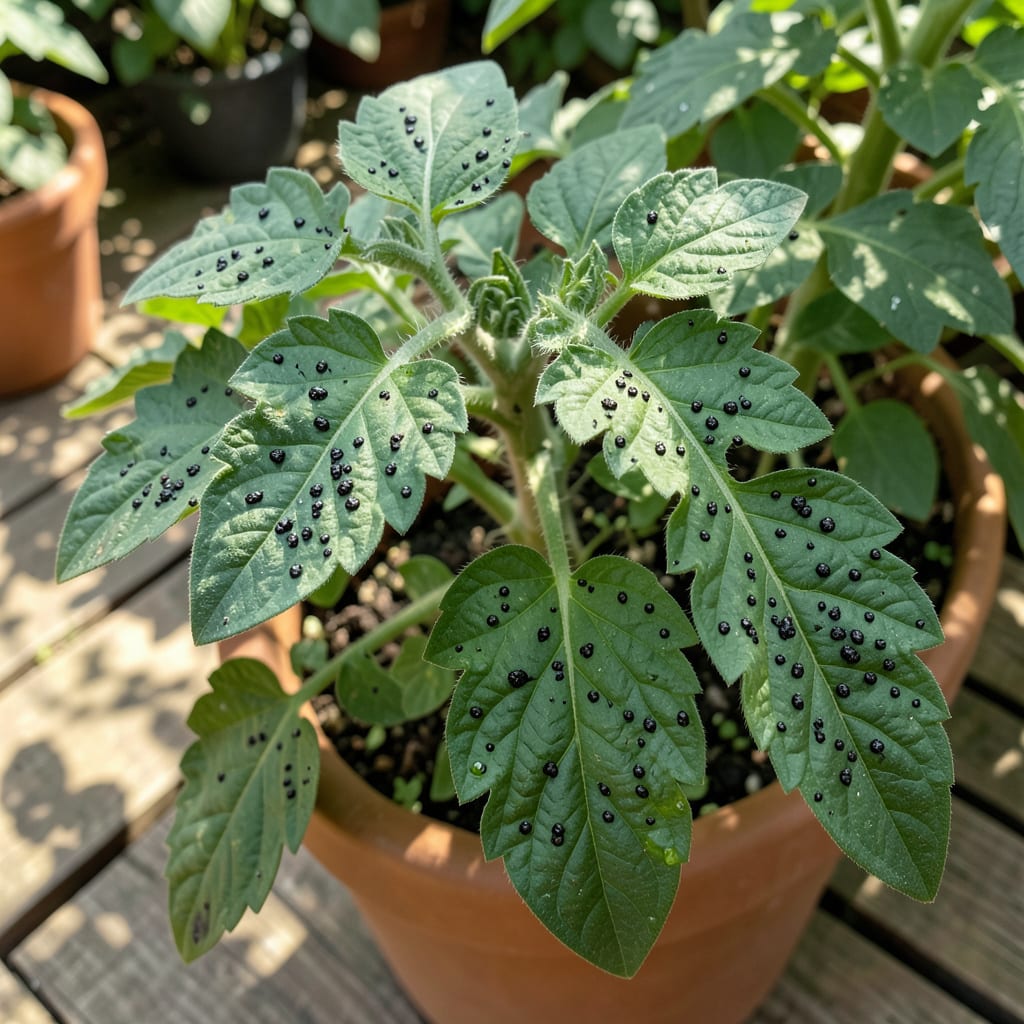
Those tiny black specks on your tomato leaves aren’t just unsightly—they’re a warning sign. I’ve seen entire crops go downhill fast when this gets ignored. The good news? Catching it early means you can still save your plants.
Most cases come down to three culprits: fungal spores, pest activity, or environmental stress. Each leaves slightly different marks, but the fix always starts with the same step—identifying which one you’re dealing with before it spreads further.
Natural solutions work surprisingly well here. A simple spray of neem oil or baking soda mixture can stop fungal issues in their tracks, while a blast of water knocks off early pest invaders. The key is acting within 24-48 hours of spotting the first specks.
Don’t wait for the spots to multiply. A little attention now means healthy plants and a full harvest later.
Black specks on tomato leaves often signal underlying issues that disrupt plant health. Below are the most common causes, explained with precision to help you diagnose and address the problem effectively.
Fungi like Alternaria solani (early blight) or Septoria lycopersici thrive in warm, humid conditions. These pathogens produce dark, concentric spots on leaves as they colonize plant tissue. Spores spread via water splash, wind, or contaminated tools, leading to rapid infestation if untreated.
Sap-sucking insects such as aphids, whiteflies, or spider mites leave behind sticky honeydew, which fosters sooty mold—a black fungal growth. Additionally, their feeding damage weakens leaves, creating entry points for secondary infections that manifest as specks.
A lack of essential nutrients like potassium or magnesium can cause necrotic (dead) tissue to form as black spots. Potassium deficiency, for instance, often appears as scorched edges or speckling on older leaves, while magnesium deficiency triggers interveinal chlorosis with dark flecks.
Overhead watering, poor air circulation, or sudden temperature swings stress tomato plants, making them vulnerable to diseases. Water droplets act as lenses, intensifying sunlight and burning leaf surfaces, which may later darken into specks. Similarly, drought stress can lead to tissue death and discoloration.
Overuse of pesticides, herbicides, or high-salt fertilizers can cause phytotoxicity, resulting in black or brown specks where chemicals contacted the foliage. Always follow label rates and apply treatments during cooler parts of the day to minimize leaf burn.
Here’s how to tackle each cause of those unsightly black specks on your tomato leaves, with simple, actionable fixes and prevention tips to keep your plants thriving.
Fix: Remove and destroy infected leaves immediately to prevent spread. Apply a copper-based fungicide or a DIY mix of 1 tsp baking soda + 1 quart water + a few drops of dish soap. Spray every 7–10 days, especially after rain.
Prevent: 💡 Improve air circulation by pruning dense foliage and spacing plants 18–24 inches apart. Water at the base (not overhead) to keep leaves dry.
Fix: Blast pests off with a strong stream of water or apply neem oil (mix 2 tbsp oil + 1 tsp dish soap + 1 quart water). For severe cases, introduce beneficial insects like ladybugs or lacewings.
Prevent: ✨ Plant pest-repelling companions like basil or marigolds nearby. Inspect leaves weekly for early signs of pests.
Fix: For calcium deficiency, add crushed eggshells to the soil or use a calcium-rich foliar spray. For magnesium, dissolve 1 tbsp Epsom salt in a gallon of water and spray leaves every 2 weeks.
Prevent: 🎯 Test soil annually and amend with compost or organic fertilizers before planting. Keep soil pH between 6.0–6.8 for optimal nutrient uptake.
Fix: Let the soil dry slightly between waterings. If roots are waterlogged, improve drainage by mixing in perlite or sand. For potted plants, ensure containers have drainage holes.
Prevent: 🌡️ Use a moisture meter to check soil before watering. Mulch with straw to retain even moisture without sogginess.
Fix: Shield plants with shade cloth during heatwaves or use row covers for cold snaps. For wind damage, stake plants or grow them near a windbreak.
Prevent: 🔥 Harden off seedlings gradually before transplanting. Choose disease-resistant tomato varieties like ‘Mountain Merit’ or ‘Defiant’ for tougher plants.
Not always! They can also come from pest damage, nutrient shortages, or even water droplets burning leaves in the sun.
In warm, wet conditions, fungal spots can double in size within 24-48 hours. Act fast to remove affected leaves.
Yes! A mix of 1 tsp baking soda + 1 quart water + dish soap works well for fungal issues. Neem oil handles pests.
No, but removing them helps the plant focus energy on healthy growth. New leaves will grow back clean.
