
Beautiful Plants For Your Interior
Beautiful Plants For Your Interior
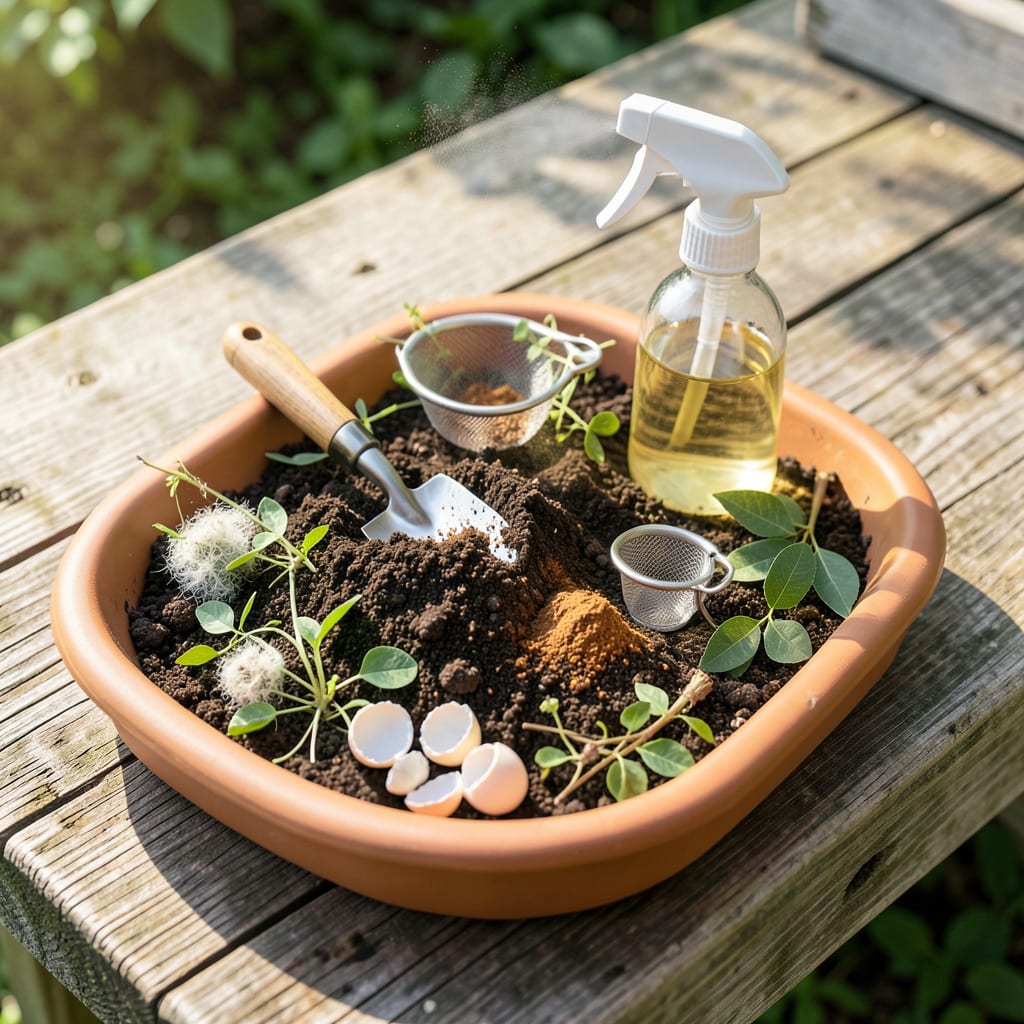
White fust on soil surface last spring nearly ruined my tomato crop. I learned the hard way that ignoring it means losing plants to rot and wilting.
The fix isn’t complicated—just consistent. I now treat affected areas with natural solutions like cinnamon or neem, then adjust watering habits to prevent recurrence.
Within 2-3 weeks, the soil returns to health, and new seedlings establish without the telltale white film or dark spots on stems.
Works for raised beds, container gardens, and in-ground plots. Here’s the step-by-step approach that saved my garden.
Soil fungus thrives due to a combination of environmental and biological factors. Understanding these causes helps prevent and address the issue effectively. Below are the primary reasons why fungus develops in soil:
Fungal growth explodes in waterlogged or poorly drained soil. Overwatering, heavy clay soil, or lack of drainage creates a damp environment where Phytophthora, Fusarium, and other fungi multiply rapidly. These microorganisms require moisture to sporulate and spread.
Decaying leaves, wood, or plant residues provide a rich food source for fungi. As organic matter breaks down, it releases nutrients that feed fungal colonies. Piles of unremoved mulch or compost can also harbor spores, especially in shaded, undisturbed areas.
Compacted or dense soil restricts airflow, trapping humidity and heat—ideal conditions for fungal proliferation. This is common in container gardens or heavily trafficked garden beds where soil structure is compromised.
Soil with excessive nitrogen or low pH (acidic) can encourage fungal dominance. Overuse of high-nitrogen fertilizers or lime can disrupt microbial balance, allowing pathogenic fungi to outcompete beneficial organisms.
By addressing these root causes—improving drainage, removing debris, aerating soil, and balancing nutrients—you can significantly reduce fungal presence naturally.
Tackling fungus in your soil doesn’t have to be a daunting task. Below are targeted solutions for common fungal issues, paired with prevention tips to keep your soil healthy long-term. 🌱✨
If soggy soil is the culprit, start by reducing watering frequency and ensuring your pots or garden beds have proper drainage. Add perlite, coarse sand, or compost to loosen compacted soil. For potted plants, elevate containers to prevent waterlogging. Prevention tip: Water only when the top inch of soil feels dry.
Fungus thrives in stagnant, humid conditions. Prune overcrowded plants to allow air to circulate freely. If indoors, use a small fan on low settings to keep air moving. Outdoors, space plants according to their mature size. Prevention tip: Avoid overcrowding and thin seedlings early.
Fungal growth can signal a lack of beneficial microbes or imbalanced nutrients. Mix in organic matter like well-rotted manure or compost to restore microbial health. A light dusting of cinnamon (a natural antifungal) can also help. Prevention tip: Rotate crops annually to prevent nutrient depletion.
For active fungal infections, try these gentle fixes:
Pro tip: 💡 Always sterilize gardening tools with rubbing alcohol between uses to avoid spreading spores!
Cinnamon, neem oil, and baking soda are most effective. A 3% hydrogen peroxide solution also disinfects without harming plants. These options are safe for organic gardens and easy to apply.
Natural remedies typically show results in 1-2 weeks with consistent application. Severe cases may require 3-4 weeks. Always reapply after rain or watering.
Yes, but sterilize it first. Bake soil at 200°F for 30 minutes or treat with steam. This kills spores while preserving soil structure.
Recurring fungus often means poor drainage or organic debris. Improve airflow and remove decaying matter. Preventive measures are key to long-term success.
